fbpx

Sacha Baron Cohen Exposes Anti-Semitism, Skewers Trump in ‘Borat Subsequent Movie Film’

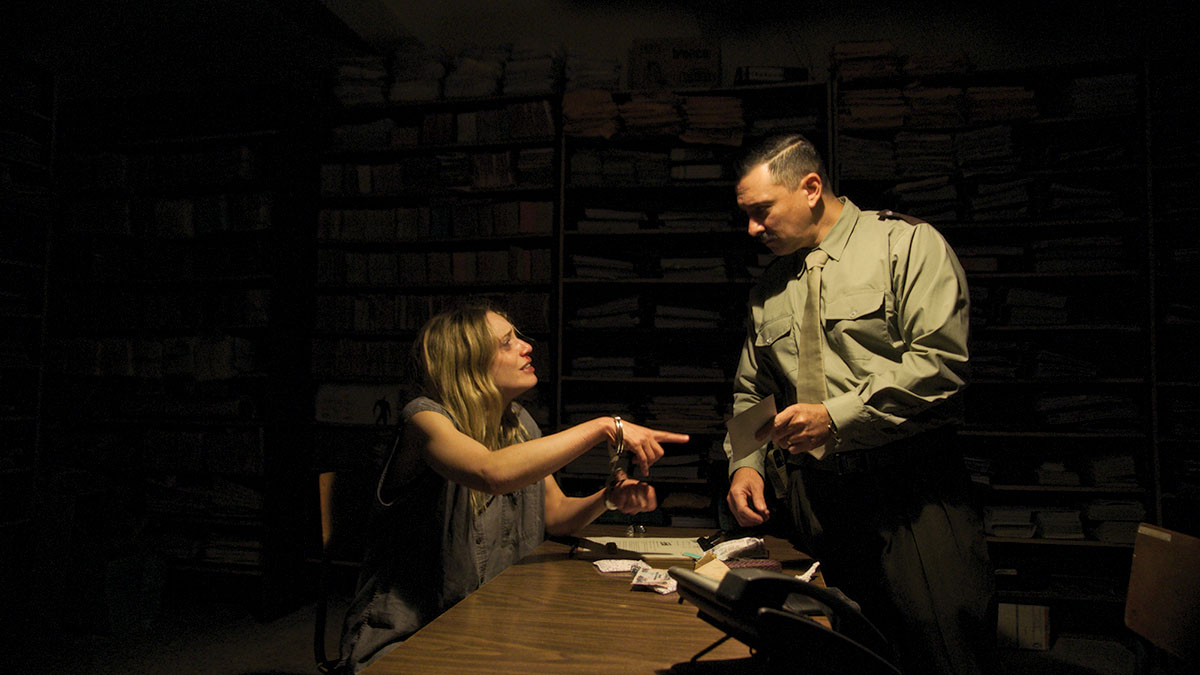
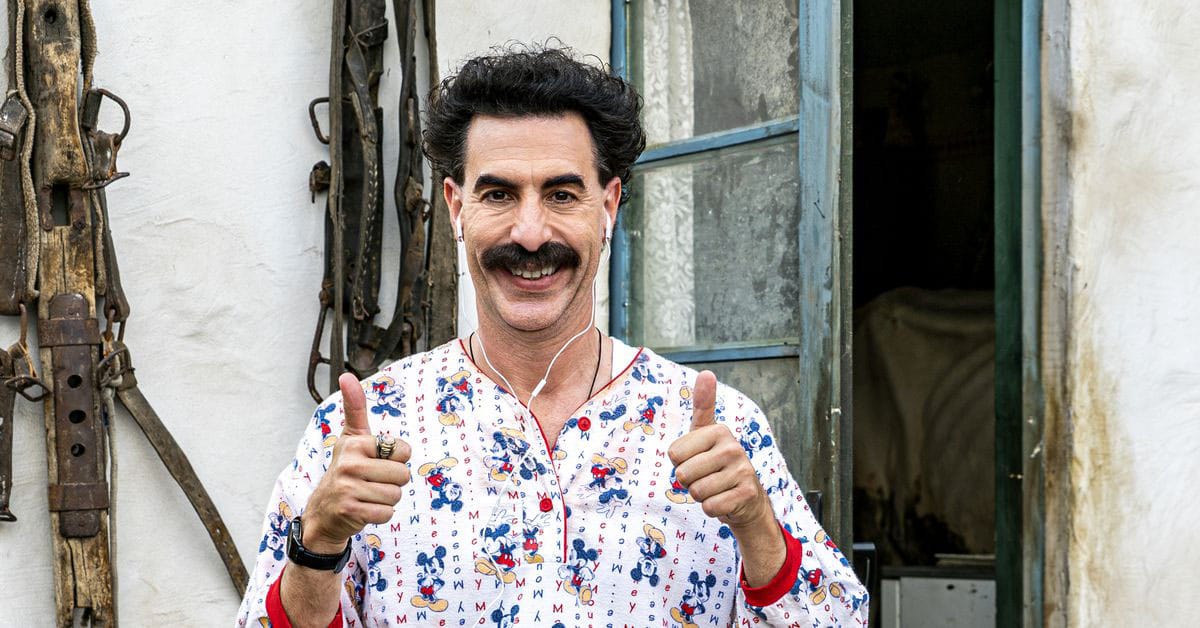
Fourteen years since first punking unsuspecting Americans and exposing their prejudices in “Borat,” Sacha Baron Cohen returns to the role of Kazakh journalist Borat Sagdiyev in the sequel “Borat Subsequent Movie Film: Delivery of Prodigious Bribe to American Regime for Make Benefit Once Glorious Nation of Kazakhstan” with hilarious envelope-pushing results.

Cohen, who won a Golden Globe and earned an Oscar nomination for his screenplay for the 2006 original, continues to use irony and parody to expose anti-Semitism, homophobia, and racism while skewering the current administration in the sequel, now streaming on Amazon Prime Video. In the plot, Borat is freed from the gulag and sent back to the United States with a gift designed to win favor with the White House for the Kazakh dictator. Things go ridiculously awry, but every outrageous stunt, disguise and elaborate set piece makes a point.

“My aim here was not to expose racism and anti-Semitism,” he said of the sequel. “The aim is to make people laugh, but we reveal the dangerous slide to authoritarianism,” Cohen told the New York Times. He can be heard speaking gibberish amalgam of Polish and Hebrew in his version of the Kazakh language in the film.

“My aim here was not to expose racism and anti-Semitism. The aim is to make people laugh, but we reveal the dangerous slide to authoritarianism.” — Sacha Baron Cohen

Shot in secrecy during the coronavirus pandemic and fast-tracked to be released before the election, the movie required Cohen to stay disguised even when the cameras stopped rolling. “The hardest thing I had to do was I lived in character for five days in this lockdown house. I was waking up, having breakfast, lunch, dinner, going to sleep as Borat when I lived in a house with these two conspiracy theorists,” he said. “You can’t have a moment out of character.”


Cohen also puts his comic talents to use as Abbie Hoffman in the Netflix miniseries “The Trial of the Chicago 7,” about the uprising at the Democratic National Convention in 1968. “Essentially, he was trying to be a stand-up comedian,” Cohen said about the Yippie leader. “He was very influenced by Lenny Bruce and he realized that if he could make people laugh, he could get them engaged in the cause.”




Did you enjoy this article?

You'll love our roundtable.

Select list(s) to subscribe to


By submitting this form, you are consenting to receive marketing emails from: Jewish Journal, 3250 Wilshire Boulevard, Los Angeles, CA, 90010, http://www.jewishjournal.com. You can revoke your consent to receive emails at any time by using the SafeUnsubscribe® link, found at the bottom of every email. Emails are serviced by Constant Contact

Enjoyed this article?

You'll love our roundtable.

Select list(s) to subscribe to


By submitting this form, you are consenting to receive marketing emails from: Jewish Journal, 3250 Wilshire Boulevard, Los Angeles, CA, 90010, http://www.jewishjournal.com. You can revoke your consent to receive emails at any time by using the SafeUnsubscribe® link, found at the bottom of every email. Emails are serviced by Constant Contact

Editor's Picks

Latest Articles

Culture

Latest Articles
Latest

Love In the Time of Elul

Elul is a month of preparation leading up to the Ten Days of Repentance.

Was Alexander Hamilton Jewish? Let’s Weigh the Evidence

Apparently, Hamilton was born a Jew.

Israeli UN Ambassador Calls for UN to Cease Funding UNRWA Over Hamas Terror Tunnels

Israeli Ambassador to the United Nations Gilad Erdan urged the U.N. to temporarily cease funding the United Nations Relief and Works Agency (UNRWA) over the recent discovery of two terror tunnels underneath two of their schools.

The Lonely American Refusenik

Young Jews of Soviet origin have recently burst onto the national scene as staunch American defenders of Israel and unapologetic dismemberers of anti-Zionist (read: anti-Jewish) propaganda.

Former Lone Soldier From Los Angeles Publishes Memoir About IDF Experience

“Under the Stretcher” is a vivid and accessible memoir about a young Jewish-American’s experience as a lone soldier.

Hollywood

Podcasts

More news and opinions than at a Shabbat dinner, right in your inbox.

Select list(s) to subscribe to


By submitting this form, you are consenting to receive marketing emails from: Jewish Journal, 3250 Wilshire Boulevard, Los Angeles, CA, 90010, http://www.jewishjournal.com. You can revoke your consent to receive emails at any time by using the SafeUnsubscribe® link, found at the bottom of every email. Emails are serviced by Constant Contact

x