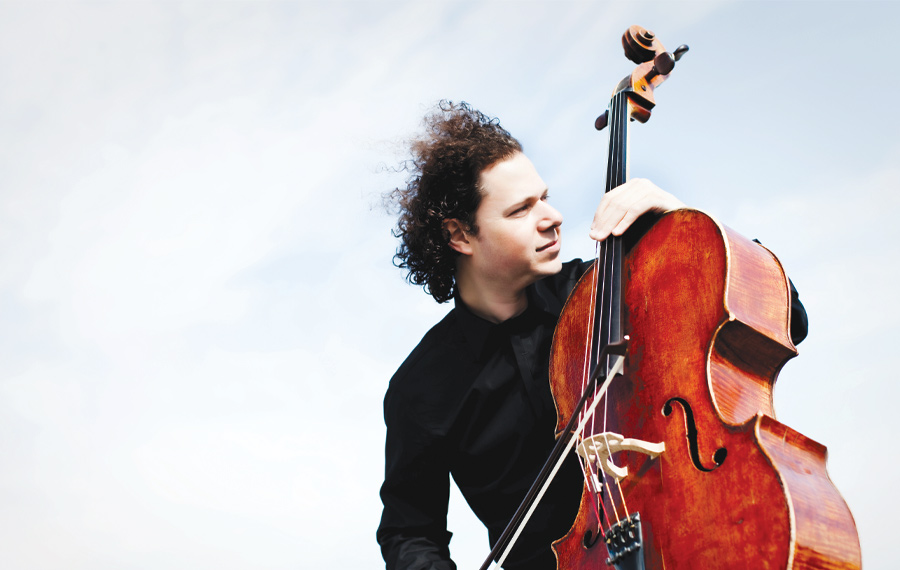
A pianist hailed by Britain’s The Independent for her “majestic originality” and a cellist dubbed by The New York Times as “ferociously talented,” will perform the works of two composers at the Wallis Performing Arts Center on Jan. 9.
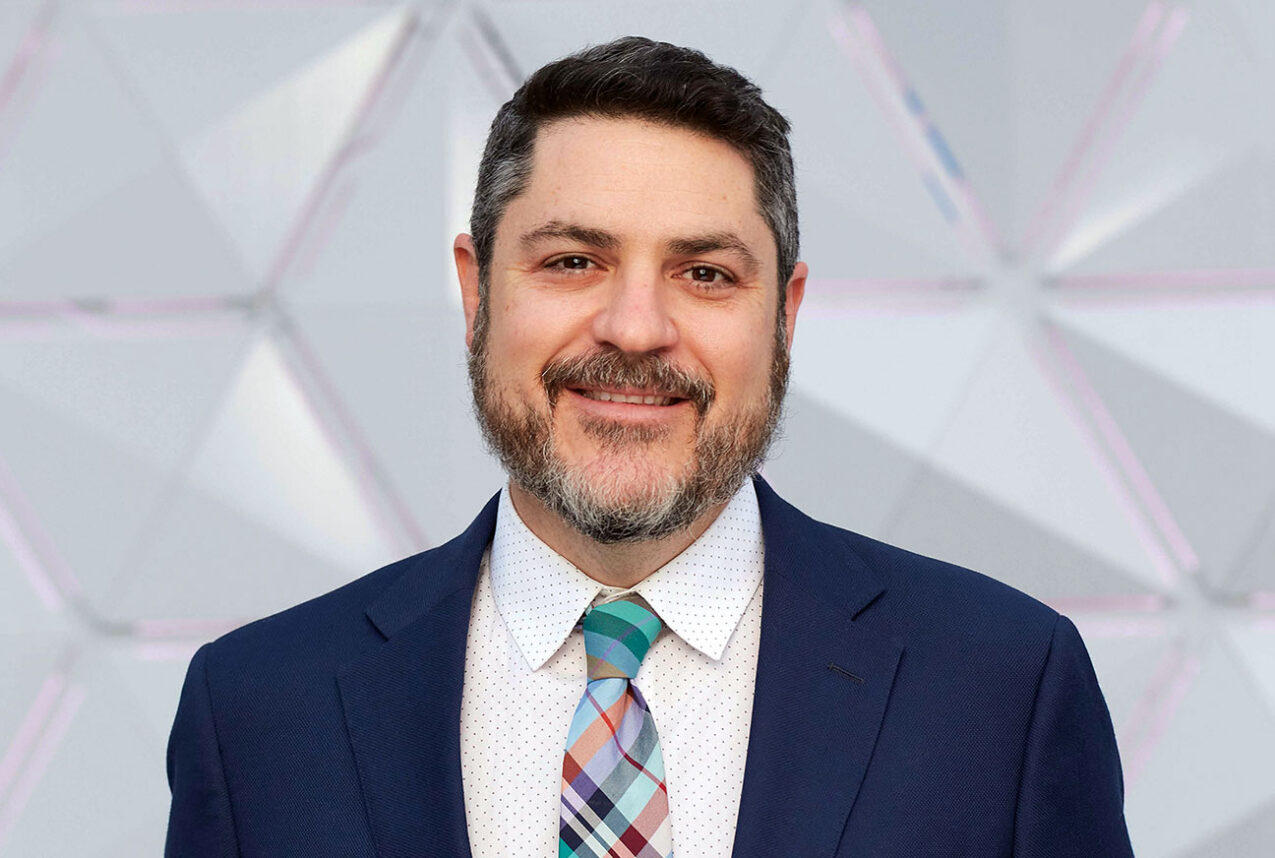
Pianist Simone Dinnerstein, 47, and cellist Matt Haimovitz, 49, will perform — solo and jointly — compositions by Ludwig van Beethoven and Philip Glass.
The composers were born more than 150 years apart yet both profoundly influenced the dominant musical styles of their eras.
The Jan. 9 concert officially celebrates the 250th anniversary of Beethoven’s birth, although purists may object that nobody knows the exact date of Beethoven’s birth. The first extant record lists his baptism as Dec. 17, 1770.
Haimovitz was born in the coastal city of Bat Yam in Israel, but at age 5 moved with his parents to the United States. He made his musical debut at 13 with the Israel Philharmonic, conducted by Zubin Mehta. Later, he joined the all-star string quartet with violinist Isaac Stern, violinist-violist Pinchas Zukerman and cellist Mstislav Rostropovich.
“Beethoven was the first modernist,” Haimovitz told the Journal. “He transformed the often unintelligible music of his time into the language of the Enlightenment.”
Haimovitz and Dinnerstein met at a Canadian awards ceremony in Ottawa, and a professional linkup followed. Both said they were profoundly influenced by the music of Johann Sebastian Bach; Dinnerstein won early recognition for her interpretation of Bach’s Goldberg Variations.
“Beethoven was the first modernist. He transformed the often unintelligible music of his time into the language of the Enlightenment.” — Matt Haimovitz
Today, she lives with her husband and 5-year-old son in Brooklyn, N.Y. She has created a program called “Bachpacking,” in which she takes her digital keyboard and teaching skills to elementary schools in her hometown.
Dinnerstein told the Journal constant parental nudging might account for the prominence of Jews as composers and performers of classical and popular American music in the early to mid-20th century. She added, however, that while her parents valued the arts and culture, the decision to devote her life to music was completely her own.
She also noted that today, a rising generation of Asian — predominantly Chinese — young composers and performers are very much part of the American classical music landscape.
Asked what advice she would give a parent whose child wants to become a professional musician, Dinnerstein said that the life of a solo performer requires immense self-discipline and fortitude. “It never gets any easier,” she observed. “Nothing stays static. You always have to keep exploring and growing.”
For more information and tickets visit The Wallis.