Once upon a time, not so long ago, the Kotel had no barrier separating the sexes. It was an open place of prayer, spirituality and meditation for all Jews. Those were the days when Jews were not branded by denominations. Somehow, this ancient, sacred space was transformed into a shtetl-style ultra-Orthodox synagogue, a commercialized bar mitzvah factory and a focal point of tension, violence and divisiveness among Jews of various modern-day denominations.
Hardly a sacred space anymore, the Kotel has now become known for its turf wars among Jews. We once believed that the everlasting presence of the Shekhina reigns over the Kotel. This long-lost spiritual tradition has been replaced by political debates over which denomination “has control” over this so-called “holy site.” The Kotel is not a synagogue, and it doesn’t belong to any denomination. There should be no minyanim, no bar mitzvahs … and no barriers separating people at the Kotel. The “landmark decision” should have been to restore the Kotel to what it once was: an open place for all Jews to come pray and meditate as individuals. Instead, with this decision, the Kotel will eternally represent the divisiveness and politics of Judaism’s modern-day denominations.
How sad to see an ancient, sacred space in Middle Eastern Jerusalem now being defined by a Eurocentric denominational system that has largely failed in the United States, and to which the majority of the residents of Israel have no relationship. Rather than being a place whose purpose, character and spirit represents Jewish unity, the Kotel has now been further cheapened and reduced to just another set of “Orthodox, Conservative and Reform” synagogues in Jerusalem.
This permanent physical division between Jews in the heart of Judaism’s holiest space brings to mind the words from the Book of Lamentations recited on Tisha b’Av: Al Eleh Ani Bokhiya — “For these matters, I weep.” This divisive and politically motivated decision has given me something new to mourn on Tisha b’Av.
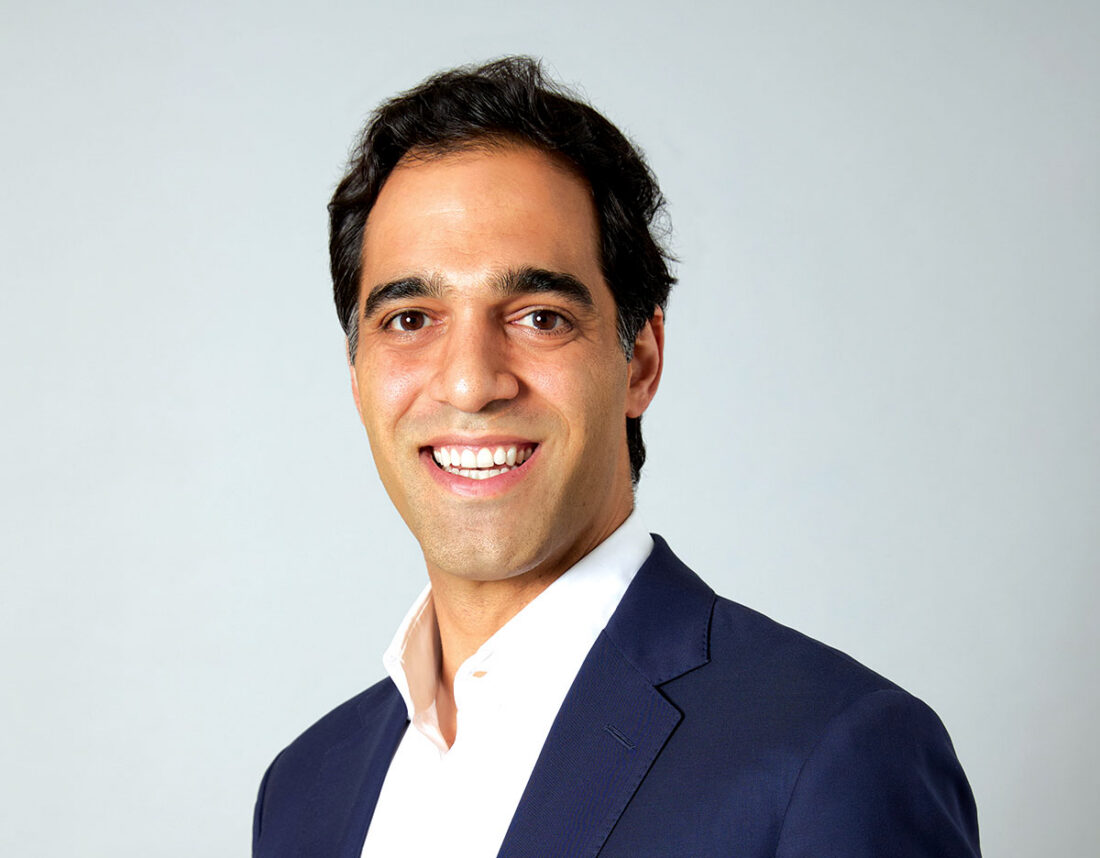
Rabbi Daniel Bouskila is the director of the Sephardic Educational Center.