When Elisha Wiesel, son of Nobel laureate Elie Wiesel, addressed the United Nations over video on International Holocaust Remembrance Day, he reminded the world’s largest diplomatic body of three anniversaries that coincided with his speech.
The Jan. 27, 2022, address came just one day before the anniversary of the death of Elisha Wiesel’s grandfather, a major event in Elie Wiesel’s novel Night. The address also came on the anniversary of the liberation of Auschwitz of by Soviet troops.
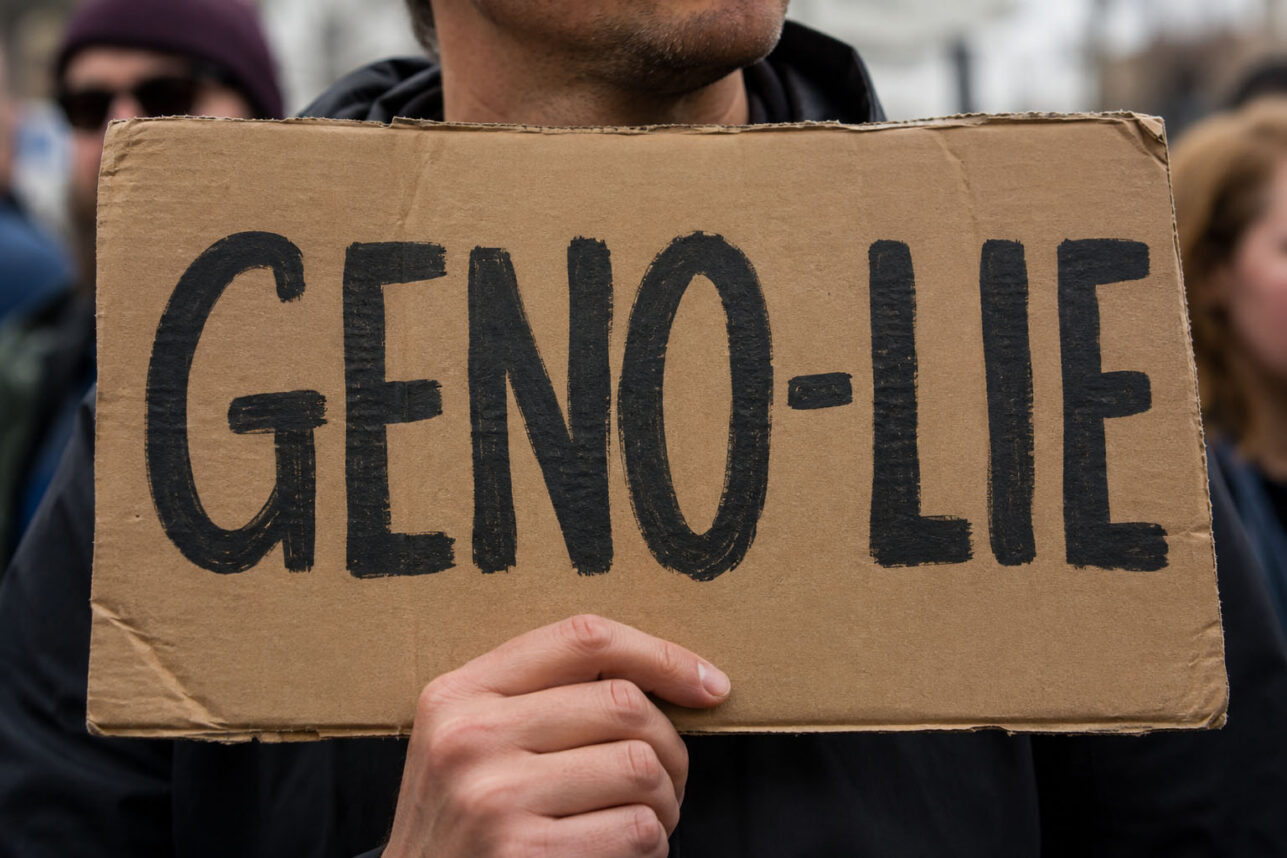
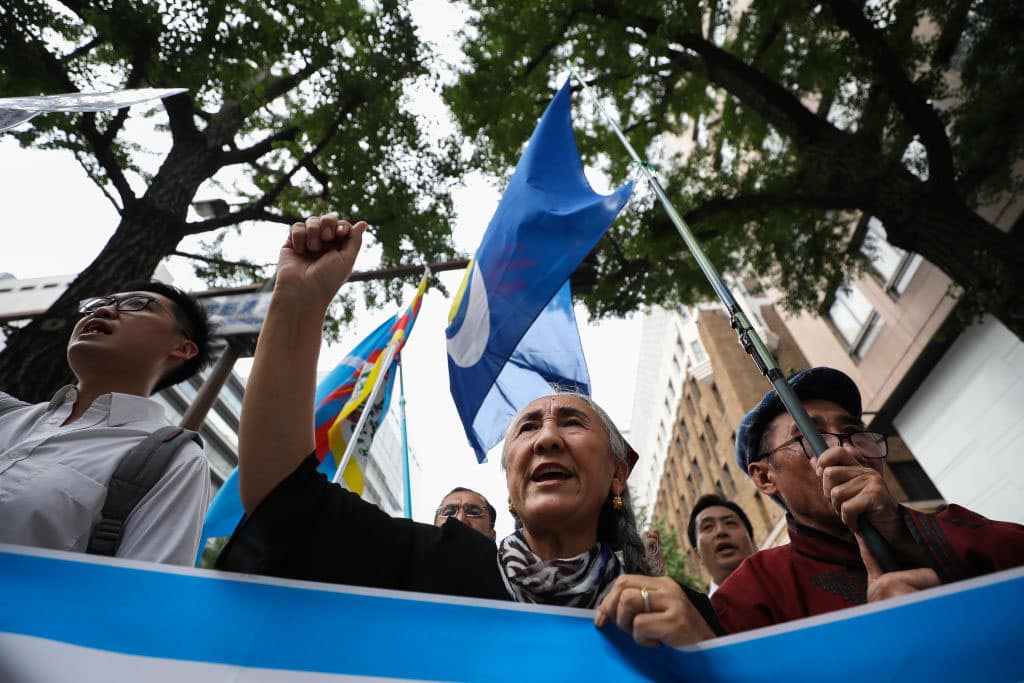
While Wiesel used the address to call attention to both events, he also used his moment on the international stage to bring awareness to a contemporary plight: the genocide of Uyghur Muslims in China. The timing was central, with the Winter Olympics set to begin in Beijing in just one week.
Wiesel closed his address by urging the UN to invoke the genocide obligations convention and launch an investigation into China’s practices toward the Uyghurs, a Muslim minority in the Xinjiang Province of northeast China that has allegedly been subjected to a range of atrocities. The United States has declared the crisis a genocide in January 2021.
“My father firmly believed that his faith required him to fight hatred and oppression everywhere, in places like Cambodia, Darfur, Rwanda, and Bosnia. Are we brave enough to follow?” Wiesel asked in the speech. “China, which sits on the Human Rights Council, inflicts mass internment, forced labor and forced sterilization on the Uyghur people.”
“I have met with Uyghur dissidents, and I believe their testimony. Will we pretend nothing is wrong?” Wiesel continued.
The Elie Wiesel Foundation has sought to support human rights in Xingang and in regions around the world—from Myanmar to Afghanistan to Sudan—in which people are suffering, according to Elisha Wiesel.
The Foundation announced in October a new initiative to advance human rights around the world that it says will help it to invest further in this mission. Under this new strategy, the organization will partner with innovative human rights organizations and act as a “megaphone to champion their cause[s],” according to the foundation.
The Foundation will also continue to issue grants to organizations that “embody Nobel Peace Prize winner Elie Wiesel’s legacy as an educator and activist,” according to a press release from the organization. Many of the Foundation’s activist grants will focus on programs that support the rights of Uyghurs in Xingjian.
“The values my father stood for–combatting indifference, educating youth, calling out injustice, and defending human rights–continue to be the moral bedrock of the Elie Wiesel Foundation,” said Elisha Wiesel in a press release. “We are so excited to announce our new grantmaking program to provide nonprofits that embody those values with the resources to achieve lasting impactful change.
These grants, the Foundation said, will range from $50,000 to $200,000. Applicants must be nonprofit organizations that can demonstrate realistic plans for carrying out campaigns to bolster human rights around the world.
To support this new initiative, the Elie Wiesel Foundation announced the creation of two new advisory boards, which will focus on the Uyghur crisis and on moral education, respectively.
The Uyghur Crisis advisory board will include Natan Sharansky, a human rights activist and lawyer who spent nine years in a Soviet prison as a refusenik in the 1970s and 1980s. Sharansky served as deputy prime minister of Israel and has received both the Congressional Gold Medal and the Presidential Medal of Freedom.
The Uyghur Crisis advisory board also includes Mark Hetfield, president and CEO of HIAS, and Gulhumar Haitiwaji, the daughter of a Uyghur woman who survived a reeducation camp.
Mayim Bialik, neuroscientist, “Big Bang Theory” actress, “Jeopardy!” host and mental health advocate, will join the moral education advisory board. Bialik is joined by Dr. Mehnaz Afridi, professor of religious studies and director of the Holocaust, Genocide, and Interfaith Education Center at Manhattan College, and Sarah Idan, former Miss Iraq and CEO of Humanity Forward.
Elie Wiesel established the eponymous foundation in 1986 after winning the Nobel Prize. Under his leadership, it funded several humanitarian programs in Israel, including the Beit Tzipora Centers and the Darfurian Refugee Program.