On Jan. 5, Jews around the world began a new Daf Yomi cycle, studying a page of the Talmud every day for the next 7 1/2 years. In the Orthodox community, participating in Daf Yomi was traditionally designed for men. Nowadays, women are seeking ways to participate.
To help facilitate this, the Orthodox Union (OU) Women’s Initiative has created a two-year study cycle called Torat Imecha (Torah of the Mothers) under its Nach Yomi learning initiative.
The cycle, which began on Jan. 9, features daily podcasts and videos on the books of Nevi’im (Prophets) and Kethuvim (Writings) and covers a chapter per day. In total, there are 742 chapters, and the classes can be found on the OU website.
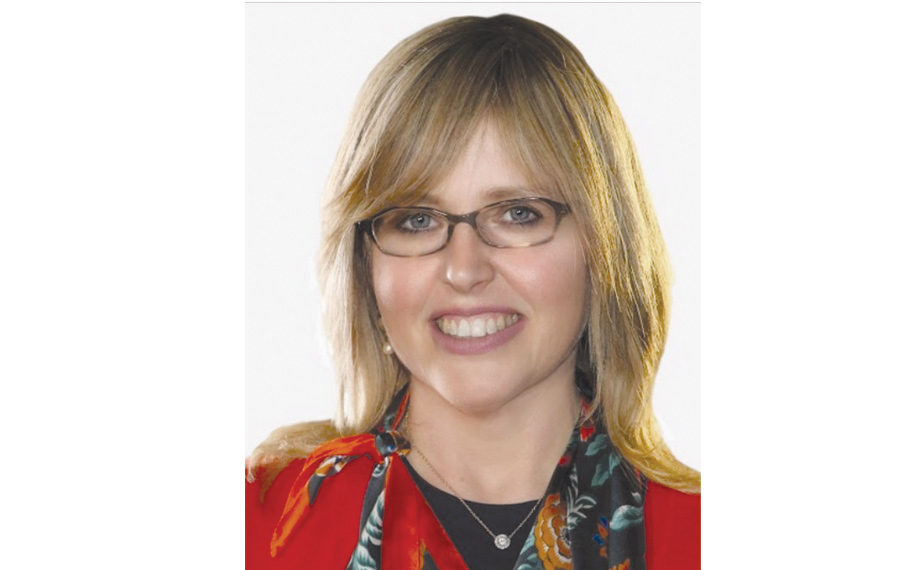
“This is an opportunity for us as a community to learn together our holiest texts, to be spiritually engaged in a meaningful way, [and] to be introduced to each book through a unique presentation and voice,” said OU Women’s Initiative Founding Director Rebbetzin Adina Shmidman. “It’s an opportunity for personal and intellectual growth. It is about creating an international community of Nach Yomi learning.”
Rabbanit Shani Taragin, an international scholar based in Israel, delivers an introductory video for each book, which will then be discussed by 25 teachers from the United States and Israel.
“This series presents a world-class roster of female scholars … bringing nuance and erudition to the participants in these exciting new shiurim (lessons),” Orthodox Union Executive Vice President Allen Fagin told the Journal.
While the Nach Yomi program was established in 2007, Shmidman said this time around students can learn about people’s relationships with God; kingship; learning how to grow as a person; and transitions the Jewish nation has gone through. The books studied include Joshua, Judges, Samuel, Kings, Isaiah, Jeremiah and Amos.
“We are presenting a plethora of voices, each one with a unique take on the book they’re teaching,” Shmidman said.
One of the teachers, Michal Horowitz, is based in Woodmere, N.Y., and instructs students on Long Island and in New York City at synagogues and Jewish organizations. She will be talking about Joshua, when the Jewish people were first entering the land of Israel following Moses’ death.
“This is an opportunity for us as a community to learn together our holiest texts, to be spiritually engaged in a meaningful way.” — Rebbetzin Adina Shmidman
“I feel very strongly that it’s important to always be advancing in our learning,” Horowitz told the Journal. “At any age, there is always more to learn, and delving into the wisdom of the Nevi’im and Kethuvim is a wonderful journey to embark on in our quest for authentic Torah knowledge.”
Horowitz’s approach to her classes is to take the text, strive to understand it and then make its messages relevant to modern life. Only if we view the Torah as relatable to Jews in each and every generation can we be excited about learning and practicing Judaism, she said.
This, in turn, will ensure that we can successfully transmit the truism of the authentic mesorah (tradition) and Torah to the next generation, she added.“Hence, my goal in teaching and presenting is to find a ‘take-home lesson’ from the text that resonates strongly with us as Jews today.”
Women also can learn Torah messaging by participating in the other learning opportunities the OU Women’s Initiative offers, including virtual monthly Rosh Chodesh lunch-and-learn classes; a scholar-in-residence program in the period between Passover and Shavuot; a Simchat Torah learning program at synagogues; and Alit, a summer learning program for recent college graduates.
Though the Women’s Initiative focuses on women’s learning, Shmidman emphasized that the classes are open to anybody.
“Each person should be engaged in Torah study,” she said. “This is an opportunity to be spiritually inspired by excellent women scholars and be part of a growing and engaged community across the globe.”