On a recent Sunday afternoon, several dozen people, most of them Jewish, gathered in a backyard near Koreatown to learn about the Defund Hate campaign and what they could do to combat the current administration’s immigration policies.
They read Rabbi Sharon Cohen Anisfeld’s poem “Prayer for Immigrant Children and Families” and heard from an individual seeking asylum in the United States about the travails he endured in his native country and then at the hands of Immigration and Customs Enforcement (ICE) in a California detention center. Leading the meeting was a group of young, passionate activists — all Jeremiah Fellows with Bend the Arc, the progressive, Jewish social justice nonprofit.
The Jeremiah Fellows program for young adults ages 22-32, began 13 years
ago in Los Angeles. But this year, for the first time, it expanded to several other cities, including Miami, St. Louis, Cleveland and Denver. Next year, it will add even more locations.
“There is a growing hunger in the Jewish community to do this kind of work,” said Bend the Arc Southern California organizer Rebecca Green.
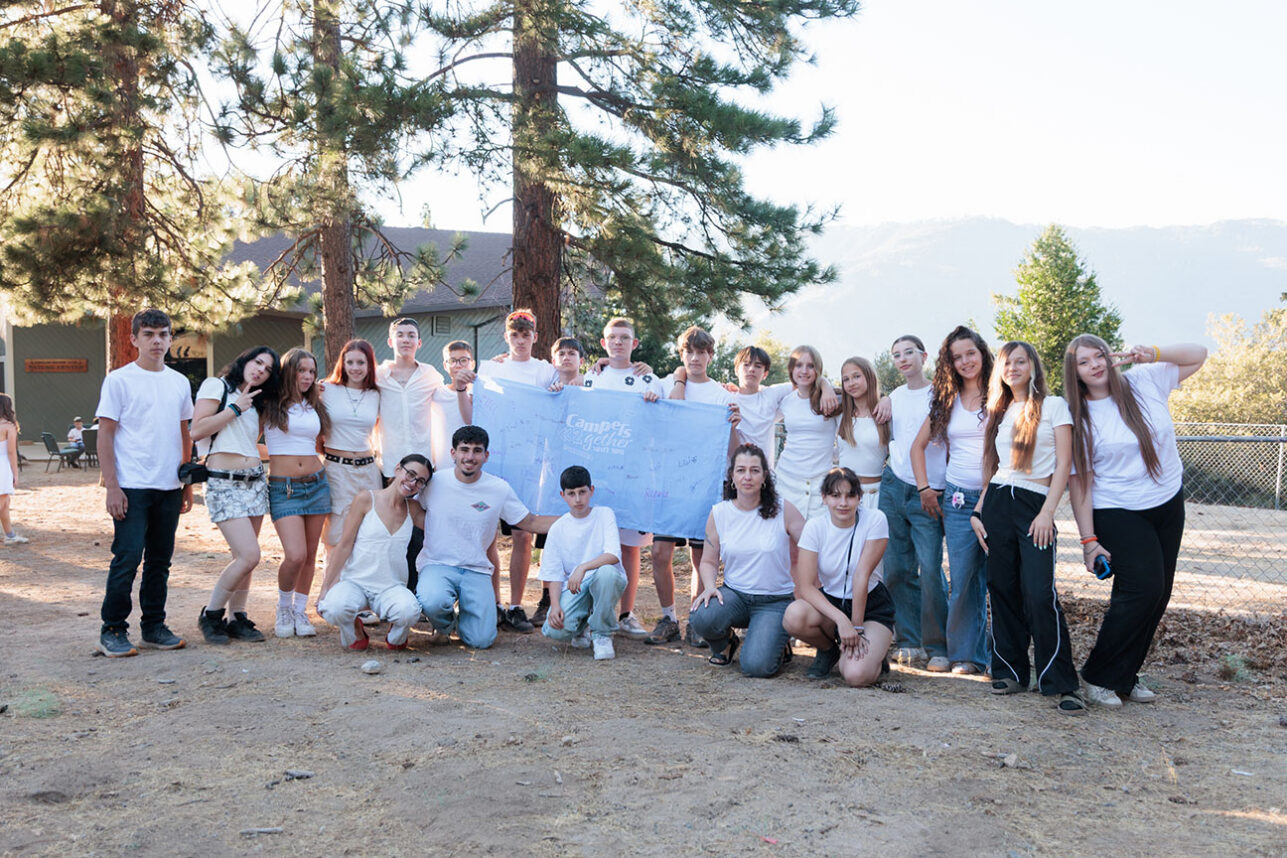
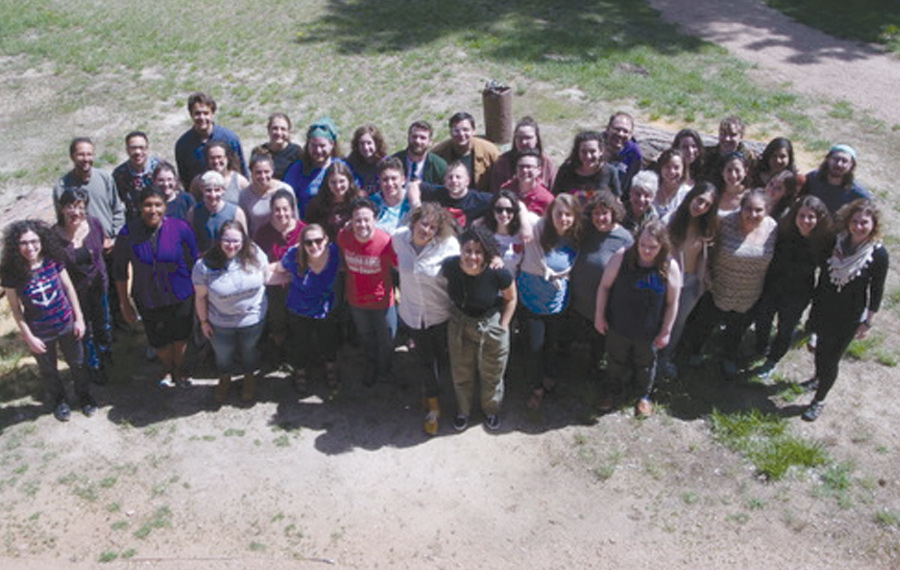
There are 40 fellows in the current cohort, eight of whom are based in Los Angeles. It’s a diverse group: men, women, straight, gay, trans and queer. But they share certain traits.
“It’s people who are really interested in engaging the Jewish community and social justice work,” said Jeremiah Fellowship National Director Carrie Sterns. “People able to make the time commitment.” (Jeremiahs, as the fellows call themselves, commit to a minimum of 30 hours a month of volunteer work. There is no stipend or compensation.)
“The idea of, if we are the chosen people, then hell yeah, we have to give back and act.” — Sarah Levine
“And people willing to be public leaders,” Sterns added. “Other than that, we look at the cohort as a whole; people who bring a diverse set of skills to the table. Some people have really strong backgrounds in social justice. Some have really strong Jewish backgrounds.”
They participate in the monthly general Los Angeles chapter meetings, often taking key roles on the three main committees, which focus on immigration justice, criminal justice and housing justice. And they plan and participate in events such as the Defund Hate gathering.
“A big part of the Jeremiah model is learning through doing,” Sterns said. “Jeremiah Fellows are kind of our inner ring of committed volunteers that work to move the campaigns of Bend the Arc forward. They are making decisions for us, guiding most of the work we do.”
Fellow Sarah Levine, 25, moved to Los Angeles from Vermont in December. She decided to focus her energies on criminal justice reform, specifically bail reform.
“I had always felt this pull to explore my Jewish identity more,” said Levine, whose father is Jewish. “I was also under this false dichotomy where it was politics or religion; where you couldn’t be a part of both. I chose what in my mind was the political route and became more involved politically at a young age.”
After college, Levine volunteered at a Virginia nonprofit that serves and supports people recently released from prison.
“As I [have grown] older, I’ve been really allowing myself to acknowledge and learn about the fallacy of that [false dichotomy],” she said. Being a fellow has “definitely been a really important and wonderful part of becoming part of the Los Angeles community,” Levine added. “It’s been really grounding.
“At the same time, it’s been a healthy version of exploding my whole idea of what I thought religion was and really reshaping that; how I can show up in choosing to be both a Jew and a person who is active in organizing and politics. … The idea of, if we are the chosen people, then hell yeah, we have to give back
and act.”