
Last December, I was a “guest” at Cedars-Sinai Medical Center for a week that felt like an eternity. Every day I prayed that I would be well enough to go home and every day brought new problems. It was impossible to keep the dark thoughts at bay.
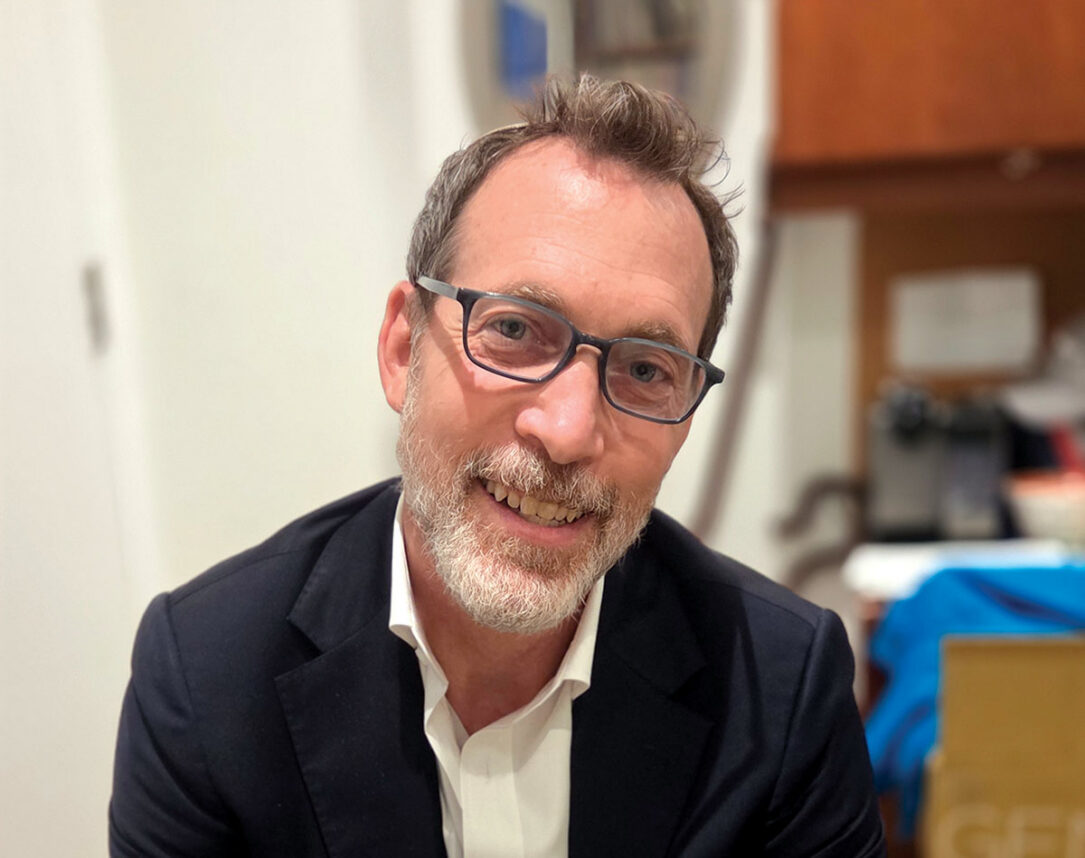
One of the most important things that kept my spirits buoyed was a visit from Senior Rabbi and Director of the Spiritual Care Department Jason Weiner, along with one of the other Jewish chaplains. They came with little prayer cards, get well wishes, and they helped allay my fears.
It was an absolute blessing at a time when I was feeling incredibly vulnerable. So how much more vulnerable must someone feel to be in the hospital during the High Holy Days — a time when we are supposed to confront our mortality? I reached out to Rabbi Weiner to ask.
“It’s a very difficult time for people, it’s a lonely time,” Weiner said. “It’s a time when they want to be with their families or want to be in the synagogue.”
At this time of year in particular, Weiner said there are so many conflicting emotions for patients, “especially on Yom Kippur, when there’s so much talk about the Book of Life and the Book of Death. Often an existential crisis comes up and patients wonder if it’s a bad omen if they’re starting their year in the hospital.”
“Often an existential crisis comes up and patients wonder if it’s a bad omen if they’re starting their year in the hospital.”
— Rabbi Jason Weiner
Weiner said his job is to listen to patients “and let them articulate their fears and provide support and compassion.”
Patients sometimes ask him, “Does this mean I’m likely to die this year because I’m in the hospital over the High Holy Days?”
Weiner said, “I tell them ‘There’s no Torah source that says that.’ I’m more likely to say, ‘Why is that on your mind right now?’ and then explore it with them and help them through it.”
Weiner and his staff do a lot to help make the holidays special for patients. Sometimes they reserve rooms and have entire families come in for Rosh Hashanah dinners. The hospital’s kitchen prepares a special kosher meal and hands out apples and honey and sweet cake. There are pre-recorded High Holy Days services that patients can watch on the television from their beds, and the chaplains will blow the shofar in every room where patients request it.
“We try to give the patients extra TLC and talk about the holidays,” Weiner said.
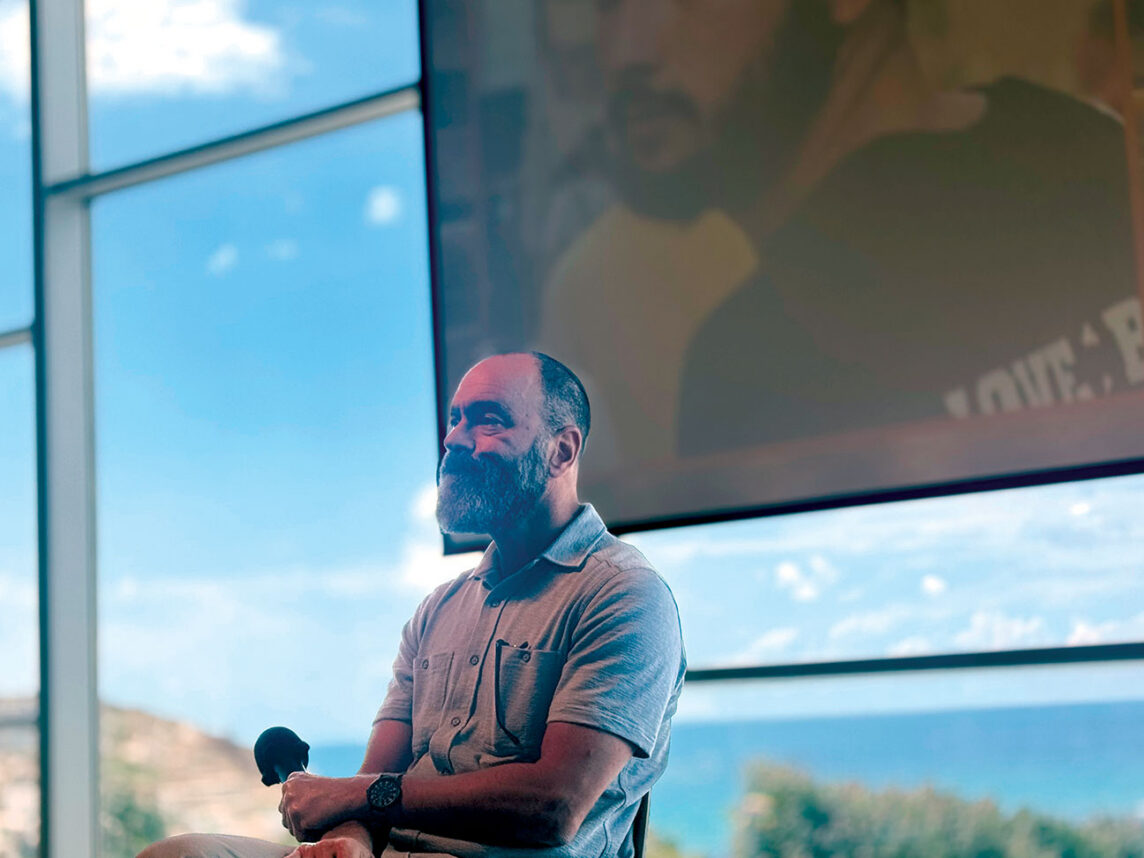
For those who are well enough to leave their rooms, they can attend services. While the hospital has on average 180-200 Jewish patients over the holidays, services have to be moved from the chapel to the Harvey Morse Auditorium because close to 600 people attend.
“The services are geared for the patients,” Weiner said. “They sit in the front row and we have their nurses with them. But we also have a lot of [Jewish] staff who are working attend, as well as past patients and even people who live in the neighborhood.”
Weiner leads the services himself with Cantor Jordan Gorfinkel, and the hospital has its own machzor in Hebrew, Hebrew transliteration, English and English commentary. The services are truncated. “We call it a learning service,” Weiner said. “There are full Torah readings and a full shofar blowing, but for the prayers, we skip around a bit.” On Yom Kippur afternoon, however, there are full services.
“We try to [hold services] in a way that Orthodox, Conservative, Reform and unaffiliated will all feel comfortable,” Weiner said.
The full Neilah service at the end of Yom Kippur is something Weiner cherishes. “There are so many tears because people are literally praying for their lives.” He recalled a particularly moving moment when he saw two women hugging and crying. “One said, ‘I was praying for your husband,’ and the other said, ‘I was praying for your son.’ It was so profound,” Weiner said. “And really meaningful.”