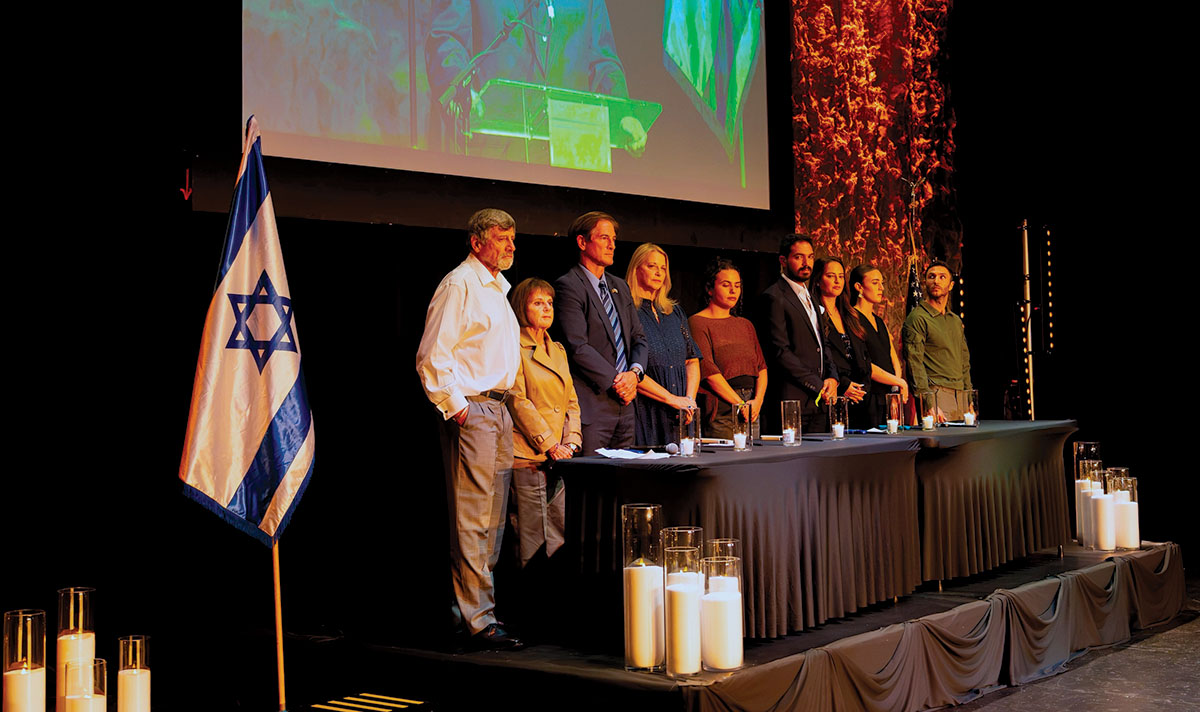
Last Sunday, an Israeli mother visiting Los Angeles walked up to the bimah at Stephen Wise Temple carrying black balloons.
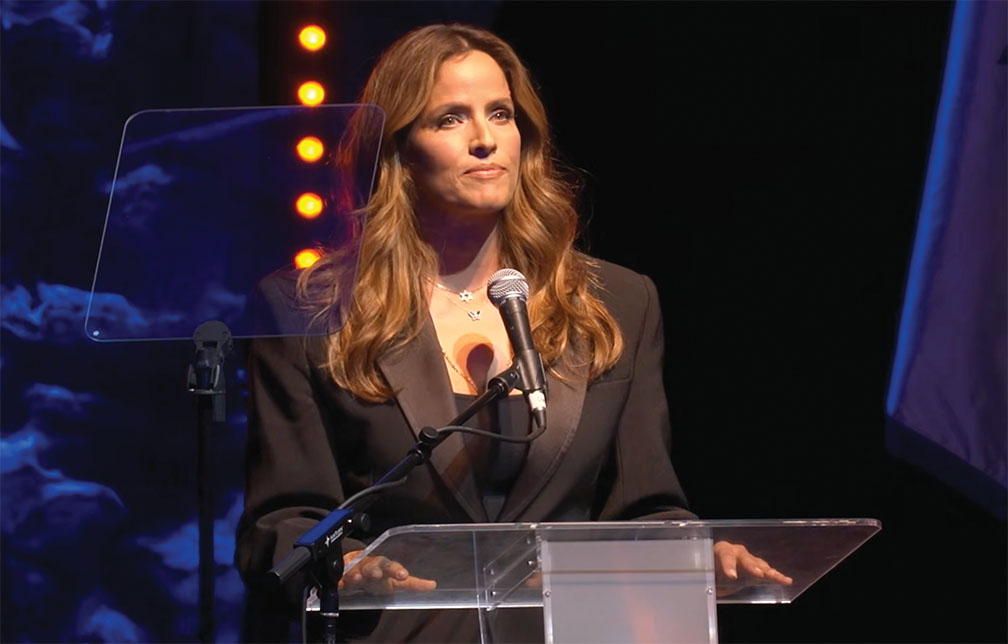
“In the last five months, these balloons, that are the symbol of hope and childhood and celebration and happiness, became the symbol of hell, the symbol of fear,” Michal Uziyahu told the approximately 200 attendees. “When our children see balloons today, they behave like it is a suspicious object.”
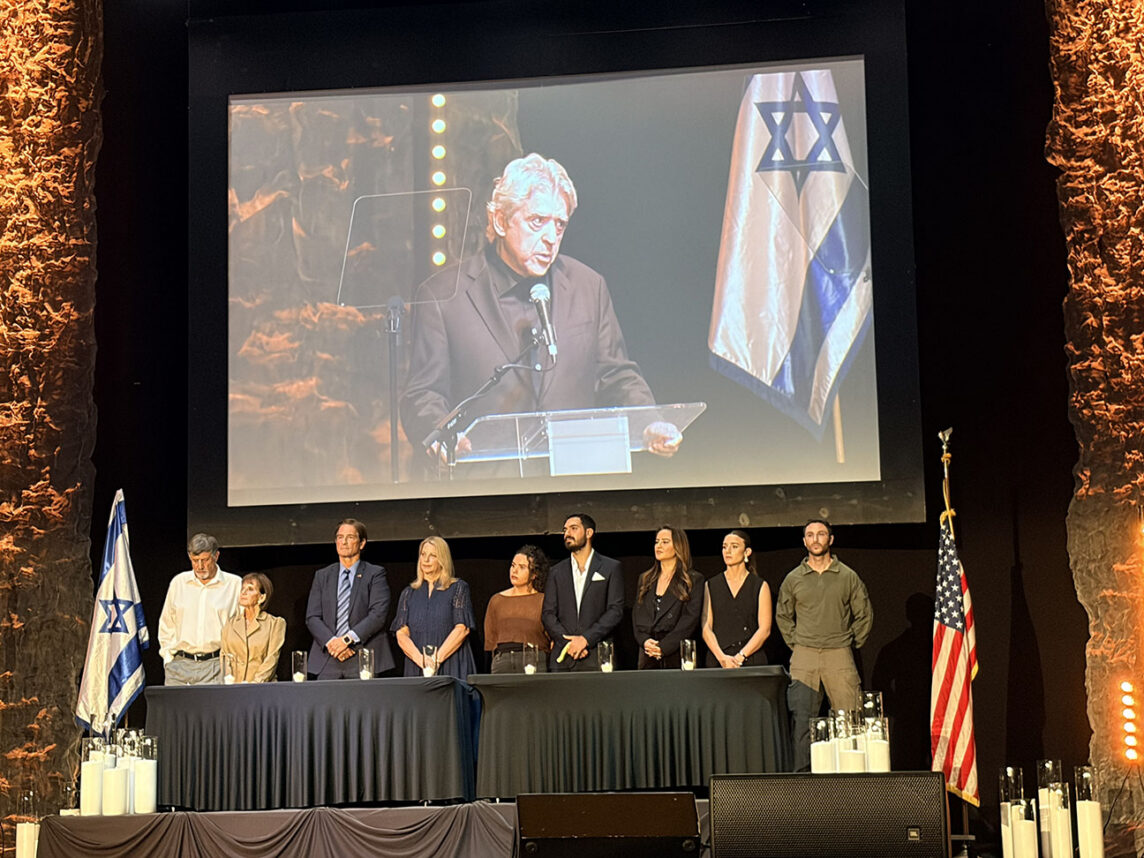
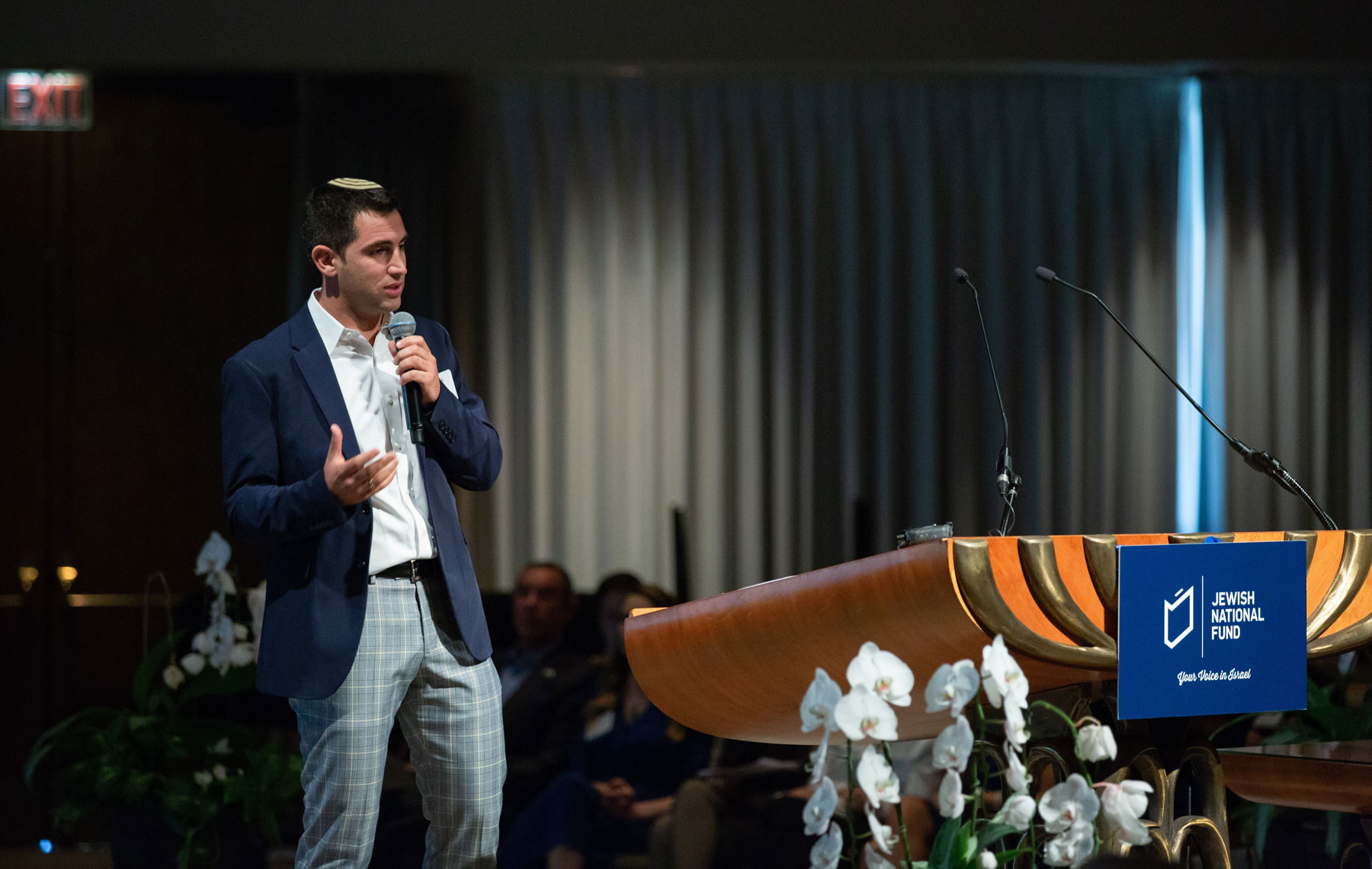
Uziyahu, the director of community centers for the Eshkol region, which shares some 65 kilometers of border with the Gaza Strip, was one of three Israelis who shared personal stories at the Aug. 19 event, “Gaza Border Crisis: The Trauma, The Damage, The Need,” organized by Jewish National Fund (JNF). The event was part of an 11-city speaking tour that runs through Aug. 30.
The speakers shared their stories about life along the Gaza border, where Palestinians living under Hamas rule in Gaza have launched incendiary kites and explosives balloons into Israel over the last few months, creating fires and destroying thousands of acres of Israeli land.
Yedidya Harush, a representative from the Halutza communities and the Gaza envelope region, also spoke of his daughter’s fear of balloons.
A couple of weeks ago, Harush and his daughter were shopping in Jerusalem and saw a man selling balloons. Harush offered to buy her one but she declined. “She said, ‘Balloon is bad, balloon explodes, balloon can kill us.’
“And I want to tell you something,” Harush continued, “it is not easy for us. We have been going through a rough time, but we are strong. Our spirit is so strong that even when we cry, even we go through tough times, we know we are going to stay and grow.”
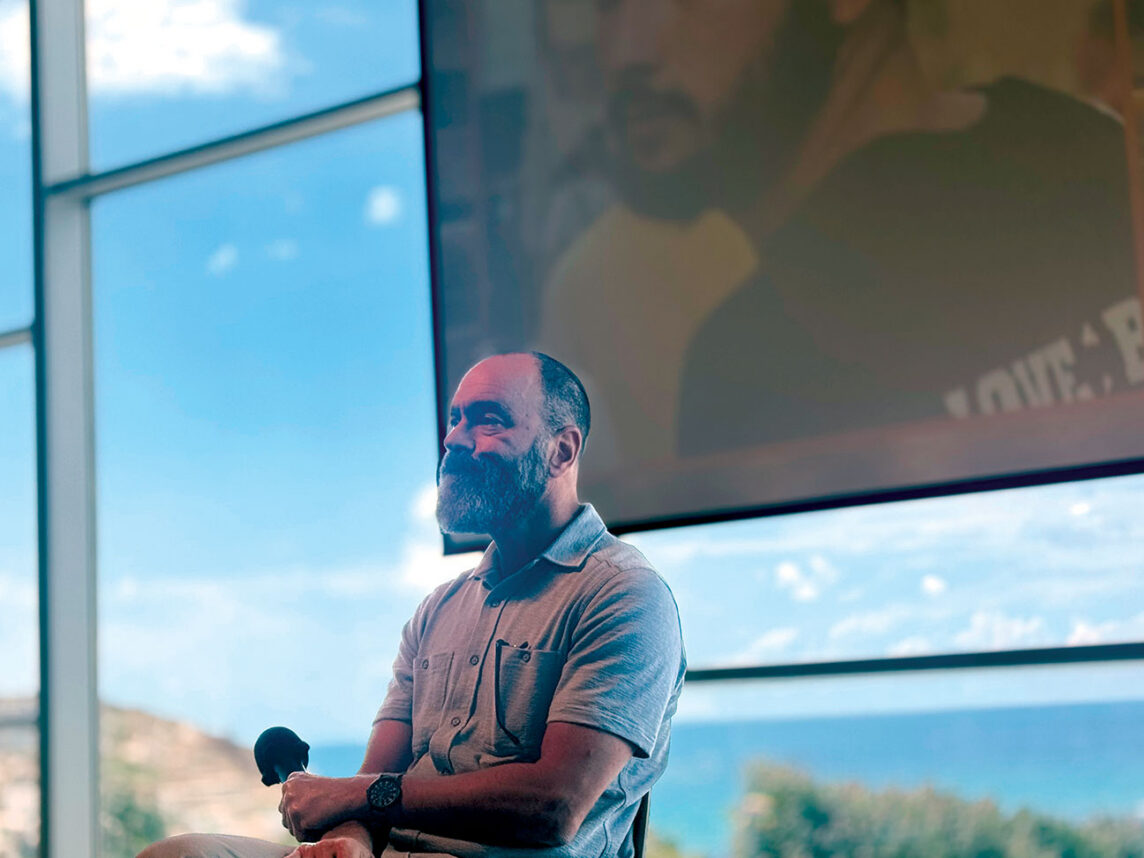
The third speaker was 21-year-old Sarit Khanoukaev, who was born and raised in Sderot, less than a mile from the Gaza border, in a community where children often play in indoor playgrounds that also house bomb shelters. “I live every day of my life in fear,” Khanoukaev said. She is afraid to take a shower with the door locked because after an air-raid siren goes off, she has only 15 seconds to get out of the shower, cover herself and reach the nearest bomb shelter.
“Balloons, that are the symbol of hope and childhood and celebration and happiness, became the symbol of hell.” — Michal Uziyahu
The incendiary kites and balloons are the latest weapons being used by Palestinians in the Gaza Strip, following a six-week sustained border protest that drew a forceful Israeli military response. Over 100 Palestinians, including Hamas terrorists, were killed.
Speaking with the Journal prior to the Stephen Wise event, Uziyahu said while Israel’s military response drew criticism from the international community, most people outside the region don’t truly understand what is going on.
“We really feel that no one knows the stories of the Jewish communities that live along the border with Gaza,” she said. “The world is dealing with the suffering of the Palestinians and they don’t understand the complexities of this situation. We belong to communities that already for 20 years have lived under a constant emergency routine.”
Harush said the solution to educating people about what is happening along the Israel-Gaza border is for people to see it for themselves. “The best answer,” he said, “is come visit Israel, and it will change your life.”
Speaking to attendees at the JNF event, Uziyahu struck an optimistic tone. “We have a wonderful life,” she said. “When my children wake up in the morning, they wake up with a smile. We focus on the 99 percent of our life, and our life is 99 percent heaven and 1 percent hell.”