Is the technology boom in Israel good for the Jewish state?
This question and many others were posed during an intimate, lively discussion on June 21 at Sinai Temple.
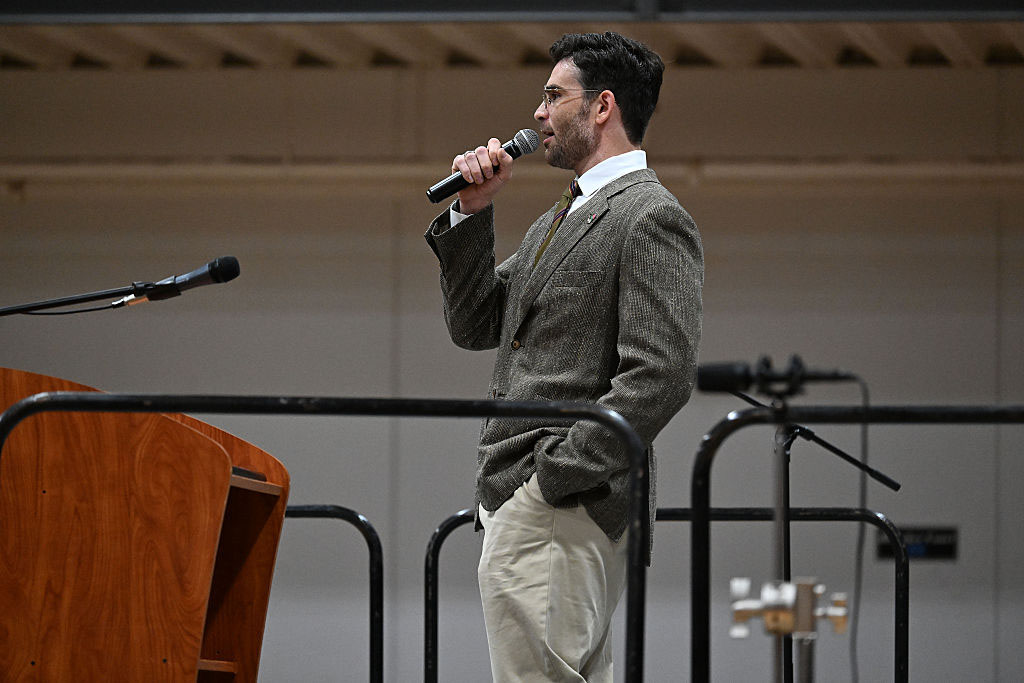
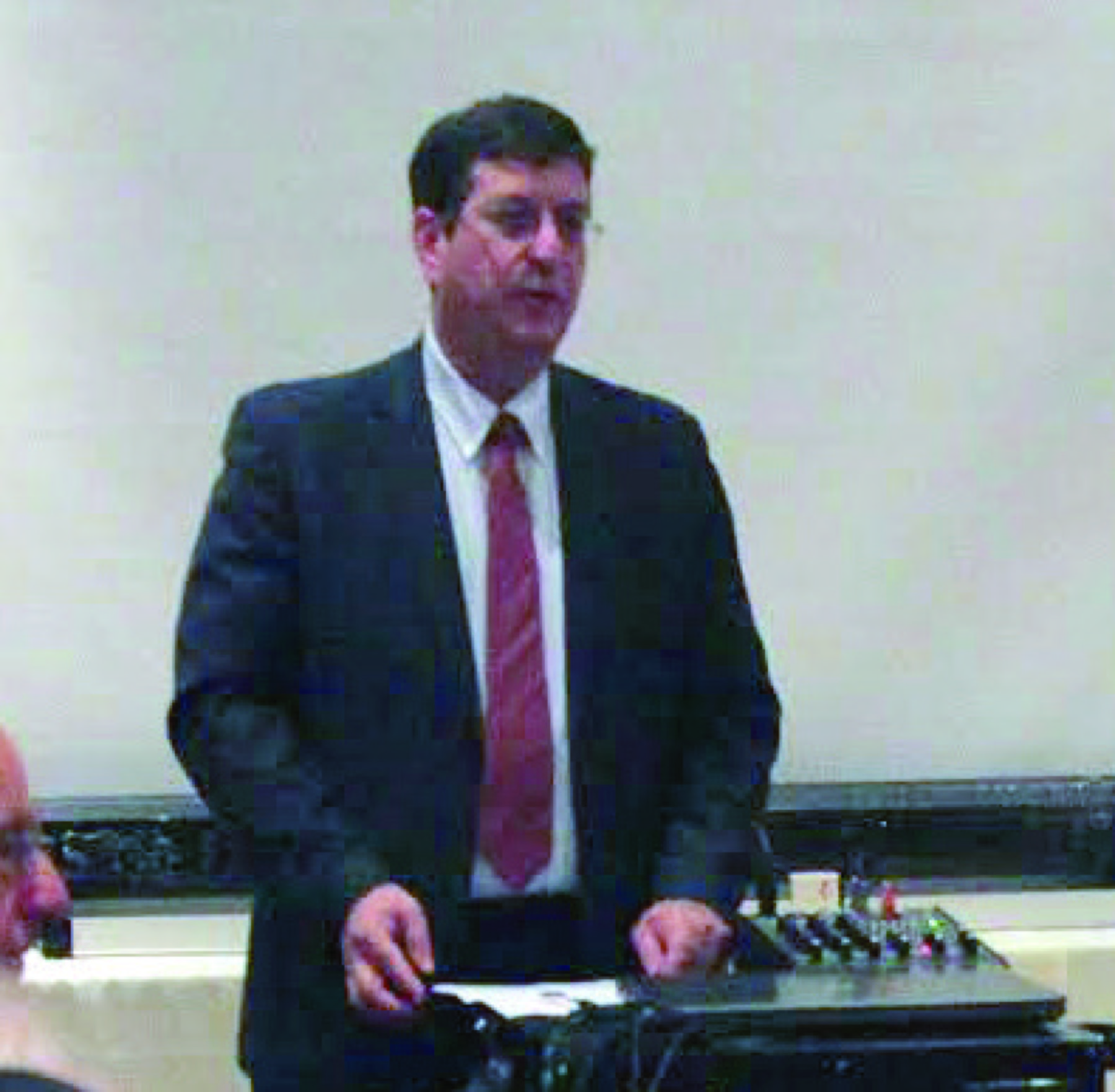
Around 20 people attended Israeli economics professor Avi Weiss’ talk, “Start Up Nation: Is It Enough?” Weiss is also the president of the Taub Center for Social Policy Studies, a nonpartisan, Jerusalem-based social and economic policy think tank that hosted the event under the umbrella “The Picture of a Nation 2018.”
Weiss, a senior faculty member at Bar-Ilan University, said, “Since we are known as being very neutral, very even-handed, we’re considered honest brokers and our opinions are sought by all political parties inside of Israel.”
Founded in 1982 at the urging of former Prime Minister Menachem Begin, the Taub Center provides extensive data-driven research sought by Knesset members across the political spectrum and has even been referenced in opinions issued by Israeli Supreme Court justices.
Weiss began his talk by analyzing Israel’s ascension toward “Startup Nation” status and how it has left a gaping hole in Israeli society — a middle class. The ostensibly thriving high-tech industry, which employs 9 percent of Israel’s workforce, should, he reasoned, have a “spillover effect” and boost other parts of the economy.
“What you’d expect to happen is that this sector would pull people in; different firms would adopt new types of technologies and they’d produce inside of Israel; workers would learn how to operate machinery and fix machinery; all types of jobs would form around those industries,” he said. But he noted that those industries never develop. “In Israel, you have high-tech computer programming, hardware creation, and you then have lower parts of the economy. You don’t have a middle.”
“I have classes that are one-third Arab. It’s wonderful.” — Avi Weiss
Weiss devoted a key portion of the talk to changing demographics of the Charedi and Arab-Israeli communities, including future projections. Topics included the educational advancement of Arab-Israeli women studying more math and sciences.
“I used to look around my classrooms and see maybe one Arab student. Now I have classes that are one-third Arab. It’s wonderful,” he said, before referencing how cultural challenges, discriminatory hiring practices and a lacking public transportation infrastructure that disconnects Arab villages from certain city centers is still limiting opportunities.
Within the Charedi community, Weiss discussed how the trend of women supporting households by working while men study Torah is changing in part due to social welfare cuts that were enacted in 2003. Many Charedi men are flocking to the law, a seamless transition from studying Talmud, Weiss said.
“In Israel, as you know, we have more lawyers than human beings,” he quipped.
Vic Sabah, 85, who lives in Brentwood and has been a Sinai Temple member for 56 years, told the Journal he attended the talk to keep up to date with current events in Israel and as a supplement to reading Dan Senor and Saul Singer’s 2009 book, “Start-up Nation.”
“I’m always interested in Israel’s future and progress and its current situation,” he said. “I was most interested in knowing that the labor force has nowhere to go except segue into being shopkeepers, service people and that upper echelon and high-tech isn’t really welcoming people, even highly educated people. I don’t know how that sector is going to grow.”