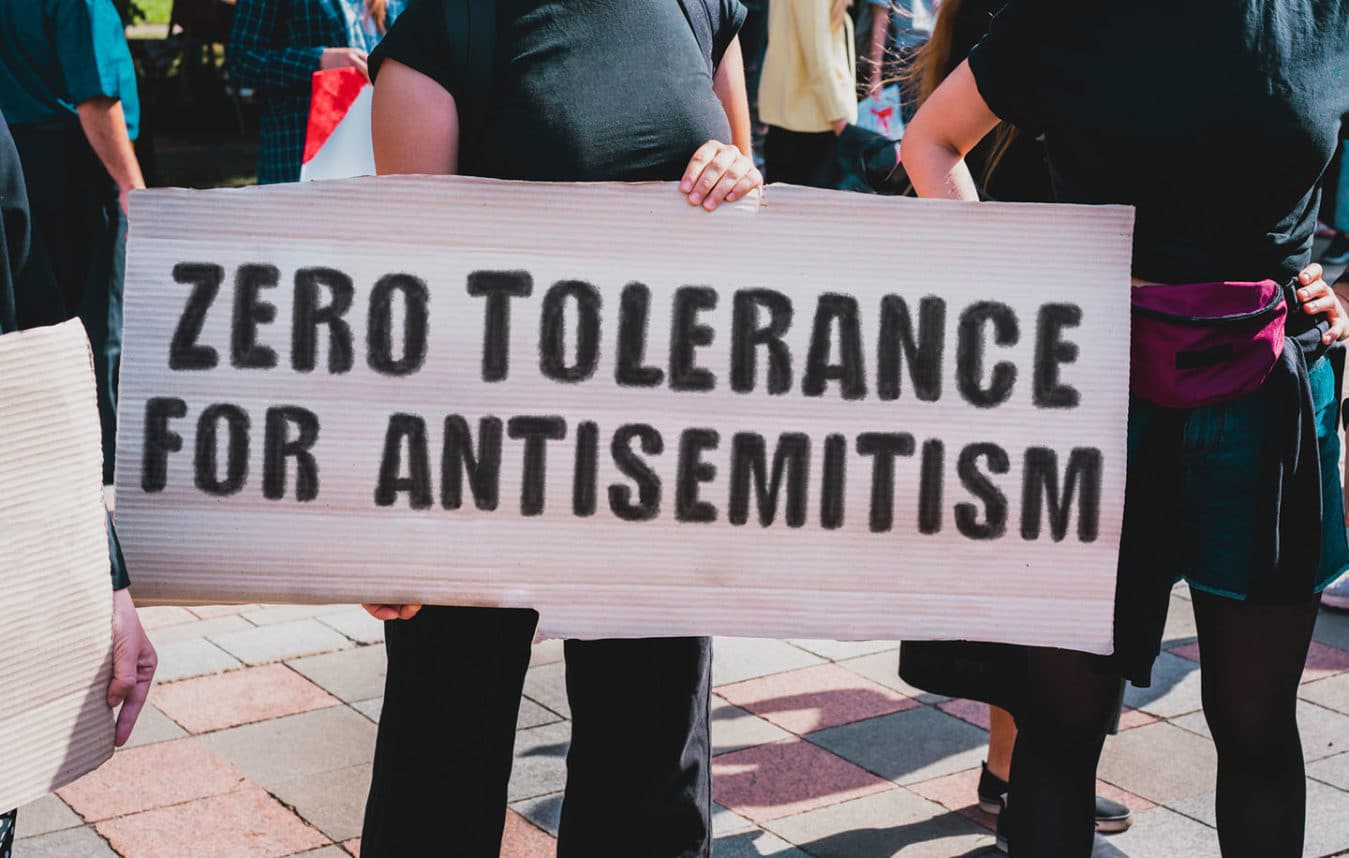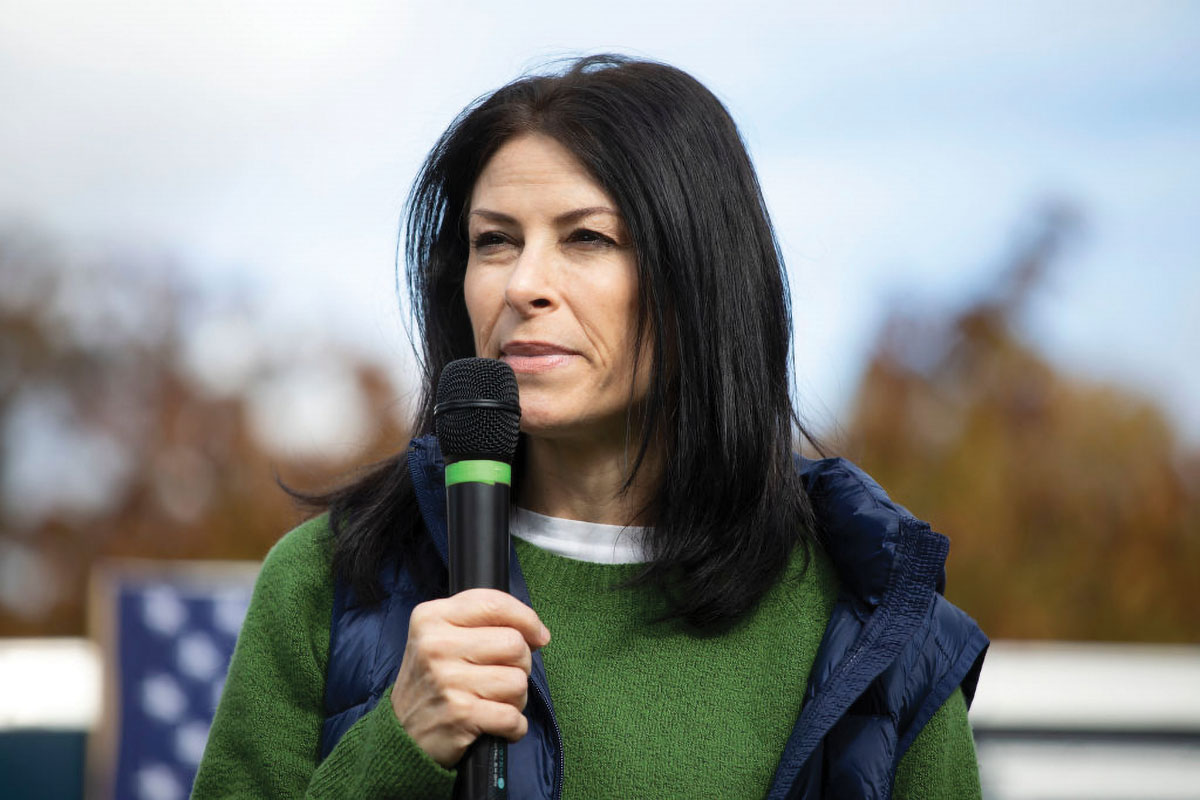
When I saw images of more than 1 million women marching across America on Saturday with signs like “Strong men respect women,” “Strong women scare weak men” and “American horror story White House,” I was proud to live in a country where the freedom to protest and dissent is so vibrant.
But I couldn’t help wondering whether Kajal Khdir was watching the same images.
Kajal, as reported by Amnesty International (AI), was accused of adultery by her husband’s family and held hostage by six family members in Iraqi Kurdistan. She was “tortured and mutilated; family members cut off part of her nose and told her she would be killed after the birth of her child. After fleeing to Syria, two of her abusers were arrested. However, they were both released within twenty-four hours because authorities determined they had acted to safeguard the honor of the family. No charges were ever brought against them.”
I also wondered about Bhanwari Devi, who was raped by five men of a higher caste in India. As AI reports, “The gender-specific sexual abuse that she suffered was compounded by discrimination based on her social status. In the acquittal of her attackers two years later, the court noted that the incident could not possibly have happened because upper caste men would not rape a woman of a lower caste.”
When I saw American women march in unison against the new administration, I also wondered about Hannah Koroma from Sierra Leone, who was genitally mutilated against her will at the age of ten as a rite of passage. As reported by AI, “the ritual was performed with a blunt penknife and Hanna Koroma was denied any anesthetic or antibiotics during or after the procedure. When the operation left her hemorrhaged and anemic, her community attributed her pain to witchcraft.”
These are hardly isolated incidents. In many parts of the world, gratuitous violence against women is an ongoing epidemic. As AI reports, “Because of persistent discrimination against women and women’s virtual invisibility, these human rights violations continue with no clear sign of abatement.”
Let’s put aside the obvious point that it would be absurd to compare human rights in America with human rights in the Third World. Notwithstanding that it’s still far from certain whether the new Trump administration will, in fact, be able to implement new laws that will curtail human rights in our country, let’s grant that the women and others who marched yesterday, which included many friends, had genuine reasons to be outraged at the new administration.
My point is this: If progressives are so into global solidarity, what about other women and minorities around the world who have been suffering long before Donald Trump ever showed up? What about all the Kajal Khdirs, Bhanwari Devis and Hannah Koromas of the world whose voices for so long have been screaming with silence? Where are the signs to defend their rights?
One of the beefs against the new administration is this tribal notion of putting “America First,” which President Trump expressed quite clearly in his inaugural address. This is an insular worldview that violates the great liberal principle of solidarity between all peoples. The best rebuttal to Trump’s tribal view, then, would be to organize demonstrations that say, “Humanity First.”
I have no problem with women and minorities marching in America and fighting for their rights. I love that freedom. I just wish that, one day, they will also march in Washington and at the United Nations and hold up signs for Kajal, Bhanwari and Hannah.
Why? Because we can and they can’t.