Did you know that there is an election on May 16? Don’t beat up on yourself if you didn’t, most of your fellow citizens do not know either. The problem is that the very “hiding in broad daylight” aspect of this election might allow some very bad law to be enacted. There is only one item on the ballot for most Angelenos, “Charter Amendment C.” The item has a reform sounding title: “Civilian Review of Police Disciplinary Matters.” Unfortunately, this amendement to the city charter is not a reform. It is an attempt by the Police Protective League (the police officers’ union) to undermine the current disciplinary mechanism.
Under the current system, enacted by Charter Amendment after the Rodney King uprising, there is a Board of Rights attached to and constituted by the Police Commission. In a case where the Chief of Police recommends suspension or demotion an officer may appeal to the Board of Rights. The Board of Rights is comprised of three people—two randomly chosen police officers, and a civilian from a pool handpicked by the executive director of the Police Commission. The Board of Rights cannot recommend a more severe punishment than the Chief, but can recommend a more lenient one.
Under the proposed Amendment, the Board of Rights’s composition will change so that it will be comprised of three civilians. An officer who has received a discipline recommendation from the Chief will be able to choose either the current Board (2 officers and 1 civilian) or the new Board. Neither Board may recommend a more severe punishment.
So why, one may ask, would the Police Protective League, fierce opponents of all manner of civilian oversight, first and foremost the establishment of the Police Commission in its current form itself (Amendment F), be the most vocal and lead supporters of Amendment C, labelling it “civilian oversight?” Why, on the other hand, are the most vocal supporters of police reform and civilian oversight opposed to this measure?
One answer might be that research has shown that over the last five years, civilians on the Board of Rights have overwhelmingly voted for more lenient disciplinary measures. Moreover, the civilians who make up the board are not randomly chosen, they have to go through an interview with the executive director. There is no guarantee (or even probability) that those chosen to be on the board would represent communities most impacted by interactions with LAPD. Under the current system, civilians who want to serve on the Board of Rights must have seven years’ experience with arbitration, mediation, or administrative hearings. Further, if these board members consistently vote against the officers, they can be removed from the pool since it is all at the discretion of the executive director of the Police Commission.
This is most definitely not enhancing civilian oversight despite what the expensive, glossy brochures supporting Amendment C say. This is the worst type of civic engagement—betting on the fact that after a brutal national election and a brutal local election Angelenos will be tired and will probably sit out another election in which there is only one measure up for vote. Then, if they do notice, use misleading advertising to make casual voters think that an unearned windfall for the police union is actually strengthening civilian oversight of the LAPD.
Beyond the fact that this amendment is bad for the residents of the city, the process is bad for democracy. In order for there to be a robust democratic conversation about the issues that impact our city, the residents of the city need to be convinced that the conversation matters, that things can change for the better. If instead of this, the ballot process is used in an underhanded and disingenuous way people—who in any event are working really hard to support themselves and their families, and do not have an abundance of leisure time—will be dissuaded from taking part in the process. Turnout for special elections is already low. We need to defeat this spurious measure so that special elections are no longer used to pass measures that otherwise would be debated and defeated.
Rabbi Chaim Hirschensohn, an early twentieth century American Orthodox Rabbi with a strong love for democracy, argued that the laws in Deuteronomy 16 that are usually taken to be referring to the behavior of judges (“You shall not judge unfairly: you shall show no partiality; you shall not take bribes, for bribes blind the eyes of the discerning and upset the plea of the just.”) are actually referring to democratic elections—that the elections must be fair, that the voters must not bribed, and not so on. It is not a stretch to continue and say that the ballot process must not be abused by deceptive advertising, or scheduling a vote for a time when turnout will be low.
We must defeat Charter Amendment C, get back to the work of actually enhancing civilian oversight of the police department, and enhancing the democratic discourse in our city.
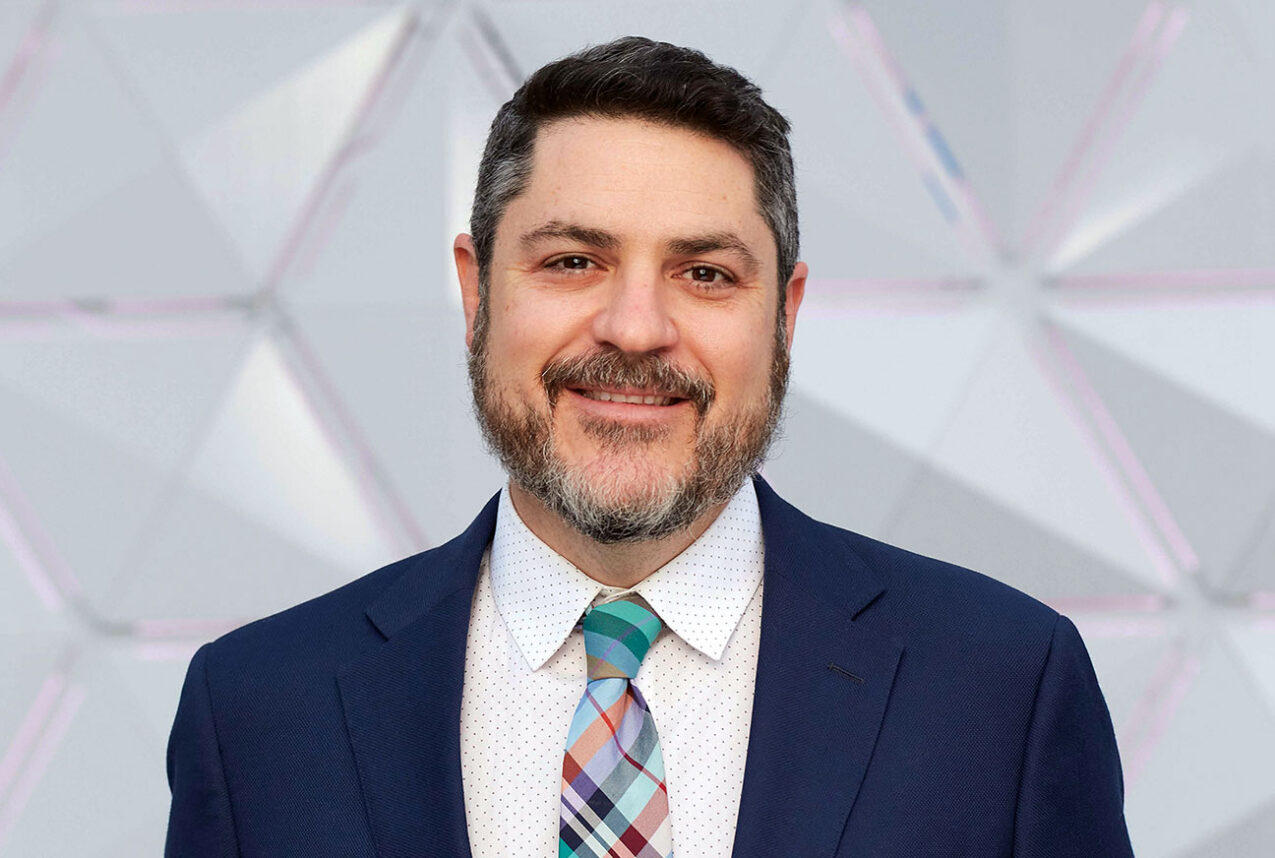
Rabbi Aryeh Cohen, PhD is Professor of Rabbinic Literature at American Jewish University and Rabbi in Residence at Bend the Arc: A Jewish Partnership for Justice.