fbpx

What we are, and what we are not

I recently was delighted to meet a former Hebrew school student and his mother at the market.
[additional-authors]
June 18, 2015

I recently was delighted to meet a former Hebrew school student and his mother at the market.

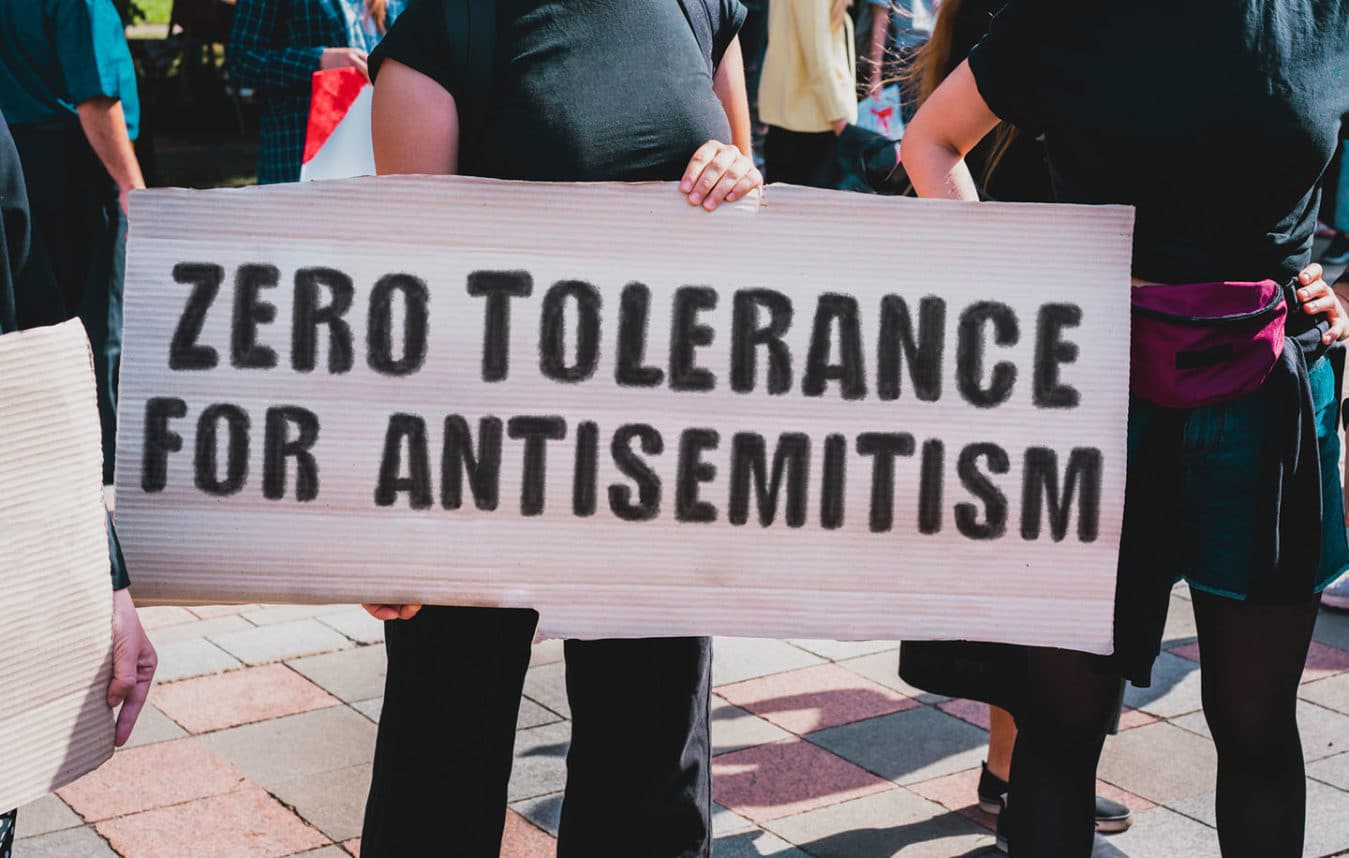
The woman proudly shared that her son was active in combating anti-Semitism in his school, reporting swastikas on lockers and publicly condemning the hostility some of them were experiencing.

I congratulated the boy’s sense of justice and asked him my usual question about what his favorite mitzvah is.

“Fighting hate crimes. Making sure every person feels safe in my school and in my neighborhood.”

Anti-Semitism is undeniably on campuses — even at some elementary schools — and along with the subtle and not-so-subtle occurrences comes the obligation to stand up and condemn them, and prevent them from happening again.

I could give you a whole slew of examples, many of which you are likely to be somewhat familiar with, but this is the very problem in Jewish life today, particularly among young college students.

We understandably become so preoccupied with Jew hatred — preoccupying ourselves with proclaiming what we are not — that we’ve forgotten to explore what we actually are.

We are so involved in damage control that we’re failing to give ourselves and our children a positive Jewish identity.

I worry about a generation of Jews whose closest association with Judaism is fighting anti-Semitism. Although it is certainly a noble preoccupation, it’s hard to imagine taking Judaism into adulthood, cultivating good feelings — joyous feelings — of being a Jew if we are exploring only how terrible it is to be picked on.

Anyone in a thriving business knows that with all the PR in the world, and all the successful attempts to clean up Yelp pages from negative reviews, without a really good product, you have nothing.

So I suggest that this Friday evening, together with friends or family, let’s bask in the priceless product: what we are.

Let’s look at the values that Jews not only died for, but lived for.

Let’s bask in the knowledge that we are a vibrant nation; millions of Jews are learning about their Judaism today more than any other time in history.

Let’s experience the joys of Judaism — the glow of the Shabbat candles, the wine of the Kiddush, the crusty challah, the words of our timeless Torah to uplift and invigorate us all, and the prayers that connect us to our Creator … all in a tech-free zone, where we’re not just hearing each other, but really listening.

Let’s show the world not only our intolerance for racism, but that Jewish people love being Jewish.

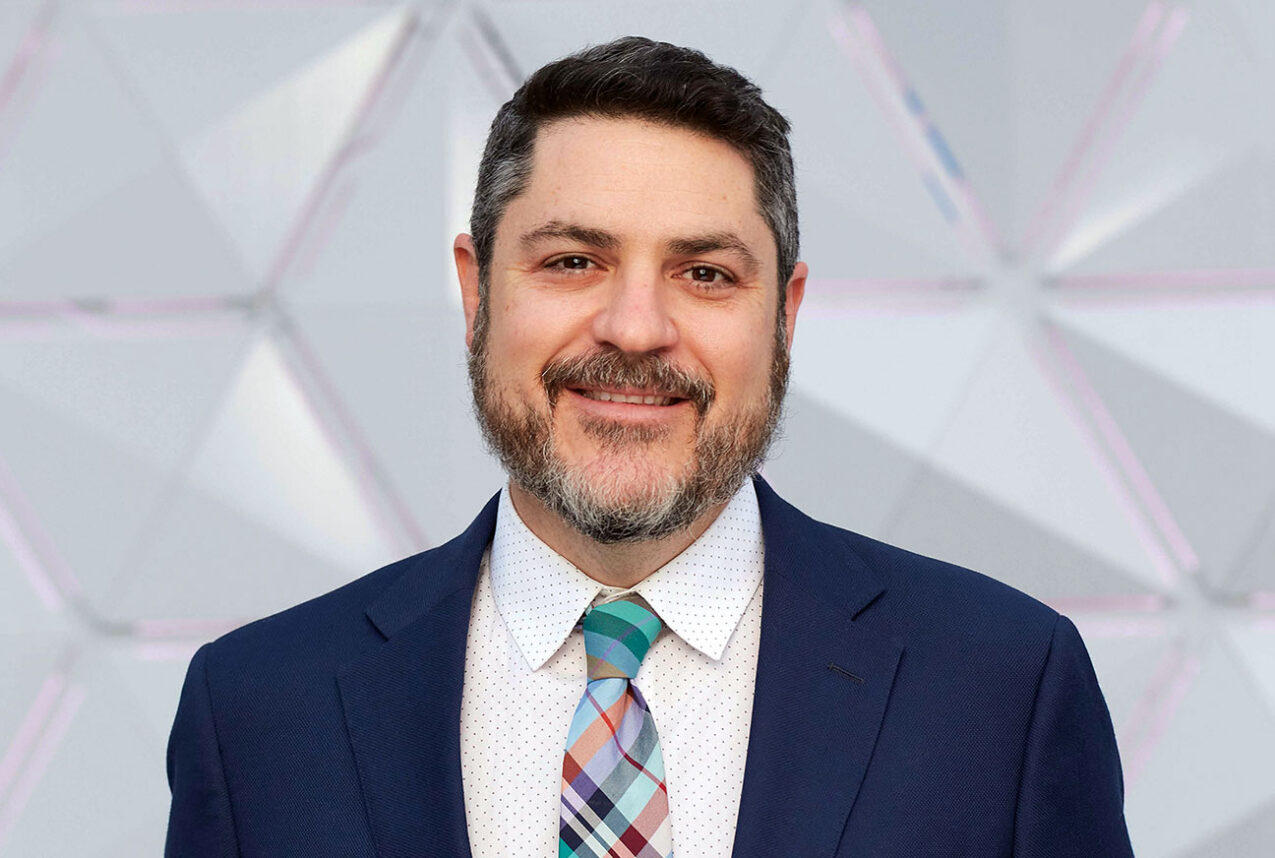
Rebbetzin Shula Bryski is co-director of Chabad of Thousand Oaks and the founder of rentaspeech.com

Did you enjoy this article?
You'll love our roundtable.

Editor's Picks

Latest Articles

The Beat Goes On

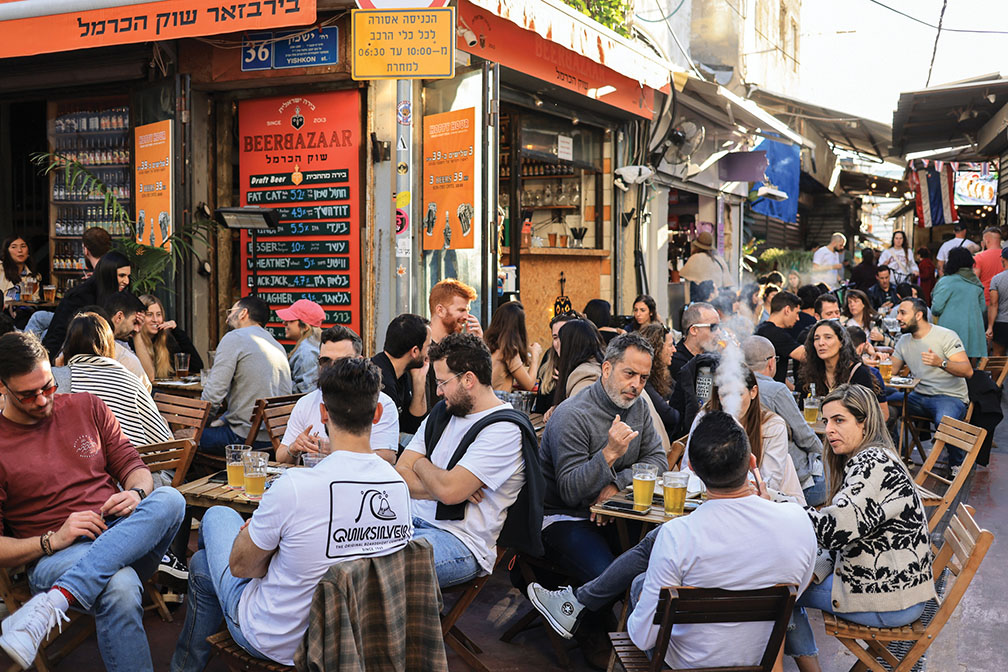
While so much of the world seems obsessed with and consumed by its hatred of Israel and Jews, Israelis continue to build, create, work, celebrate, argue, raise families, and plan for the future.

Viral AI Video Targets Jewish Comedian

“The biggest concern is that people now have a pathway to shut down Jewish voices through complete falsities that people will believe. … For the future of Jewish entertainment, it’s very scary.”

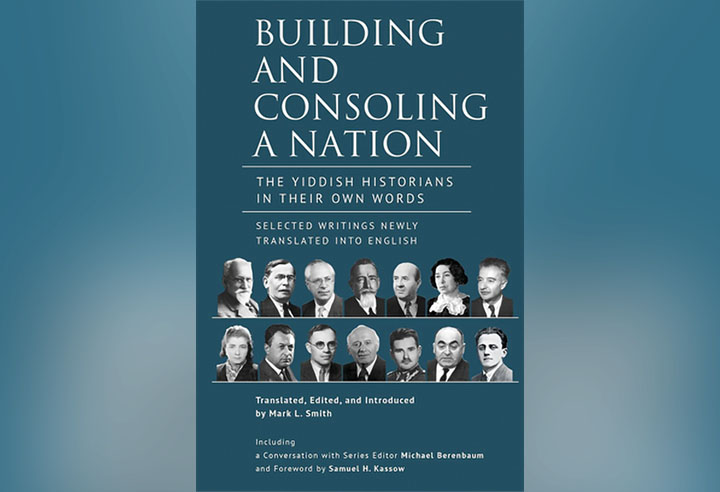
Yiddish Historians: Writing in Their Own Language for Their Own People

Mark Smith has compiled an important anthology of Jewish history using 49 works by Yiddish historians to recreate or at least open the door to a world of Jewish thought that was once almost mainstream, but which no longer exists, except in the minds of too few specialists.

The Everlasting Melody

Most Jews who have sung “Eitz Chaim” over the past half-century probably never knew Portnoy. They did not know when he wrote the melody or how young he was when he composed it. They simply knew the song.

Who’s Really the Victim?

Those who would revel in Israel’s demise are claiming victimhood on every front and denying attacks on us in the same breath.

Biblical Deterrence

After Oct. 7, the sentiment in Israel toward the Iranian leadership was unequivocal: You went medieval — so we will go biblical.

How Sukkot Makes Us Whole

This year, I bless us that we open our eyes to truly see the beauty and the holiness of the world, and of the person before us at each and every moment, and to see the godliness of their aspirations and their fears.

The New Ushpizot

Ushpizin invite us to “welcome in our ancestral constellation and dwell amongst them.” This year, it’s Ushpizot, for the women. It’s the year of the Feminist Visitation.

Macklemore, Or Less

In between his songs, he proclaimed, “Free Palestine,” which is fine, asserted that opposing Israeli military actions is not antisemitic, which is accurate, and accused Israel of apartheid and genocide, which is offensive, untrue and hateful.

The Rokeach’s Remarkable Sukkah

To Rabbi Eleazar ben Judah of Worms (1176-1238), the medieval German pietist known as the Rokeach, the sukkah symbolized Jewish military might.

The Sukkah and the Power of Endurance

They can destroy our Temples, demonize us in social media, shower us with hate, but they can’t destroy a spirit that never stops building. That enduring spirit is the power of the sukkah.

NY Mag’s Habibi City

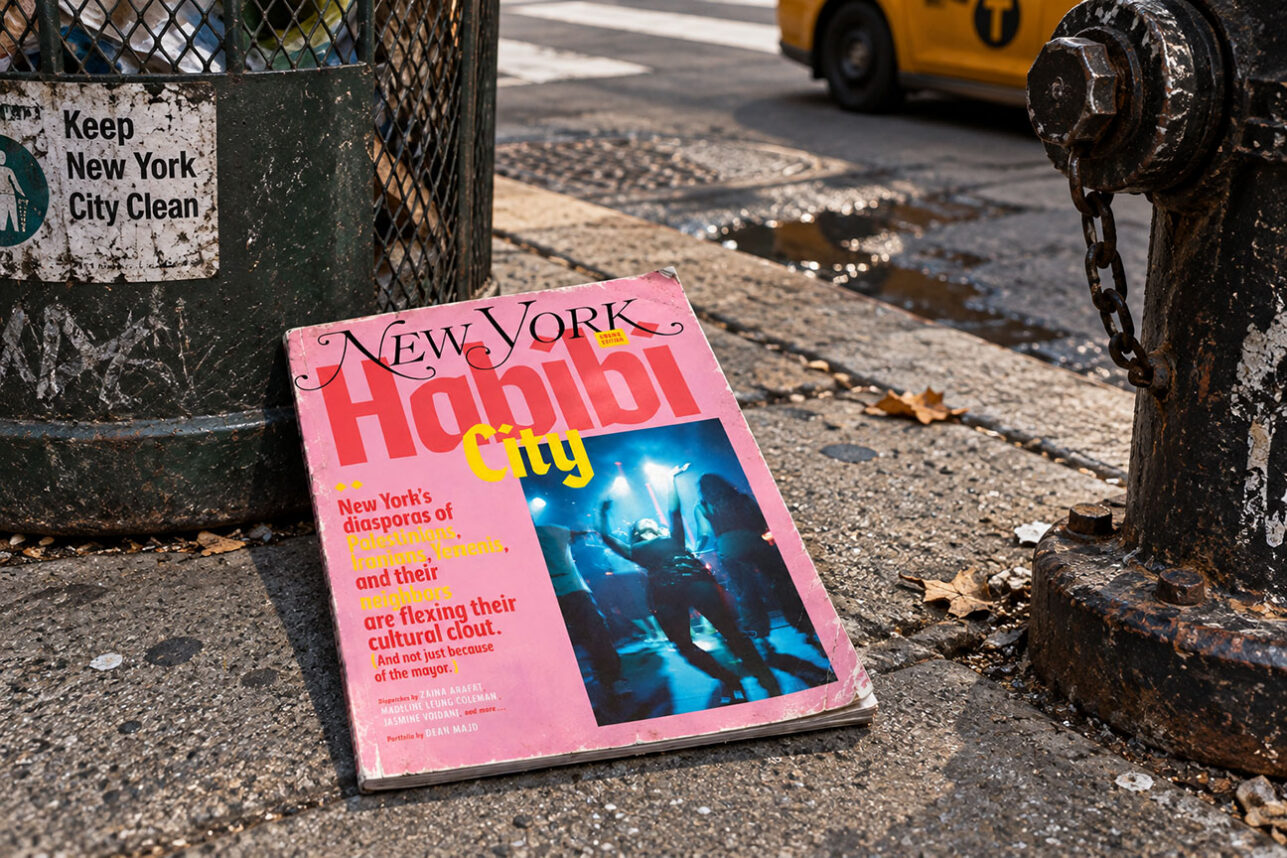
A satirical response to Zaina Arafat’s erasure of Jews in her New York Magazine article “Habibi City,” written as Zaina Arafat.

More news and opinions than at a Shabbat dinner, right in your inbox.