There exists a deep relationship between Judaism and Christianity rooted both in a shared history and religious values. History shows us that Jews and Christians once knew one another very well, recognizing that in some way we were brothers, like Jacob and Esau. In fact, in the Middle Ages, Jews used to call Catholics and Christians “Esaus” — brothers that had to overcome jealousy and heat, but at the end, both of them recognized their fraternity.
Pope Francis and I became friends in the mid-1990s, after spending time together at official state ceremonies in Argentina. A humble man, with deep understanding and reverence for prayer and the power of God, the future pope and I were able to connect on a spiritual journey together, discussing interfaith issues and doing so without apology or hiding ourselves. Of course, there also was time to debate whose soccer team was the better club. Over the years, we delved deeper into our interfaith discussions, recognizing the important lessons that both religions hold dear — including the so-called Golden Rule.
Leviticus 19:34 teaches, “The stranger who resides with you shall be to you as one of your citizens; you shall love him as yourself.” We should honor this message by welcoming all to discuss their faiths, to engage in open dialogue so that we are no longer strangers but rather neighbors. While the pope and I have had our differences of opinion on certain issues, it was clear that these discussions were not only enlightening but a way to publicly present, at first to Argentine society and now to the world, a way of holding open , honest interfaith dialogue.
Today, both Pope Francis and I believe that we must work to revitalize the type of conversations between our faiths that existed from the beginning of the first century and into the second century. By speaking openly about our faiths, and yes, even delving into and focusing on theological issues, we can better understand not only our differences but our similarities in how we interpret Christian Scripture and Jewish texts. Only by coming to the table with open minds can we truly understand the relationship between Judaism and Catholicism that goes back 2,000 years, to understand who the other is and the significance each faith holds for the other.
This same goal brings me the United States this month as I travel to Atlanta; Washington, D.C.; and Southern California to join my colleagues from the Church in open dialogue about religion and politics. Our religious views have great influence over our political beliefs and religious leaders can have a particularly strong impact on their communities’ views. In better understanding each other’s religions, we can better understand each other’s political beliefs.
In politics, as in religion, it is important to understand the views of those with whom you disagree to better understand how we all fit together. I do not understand the resistance to interfaith dialogue by some, or dialogue across the political aisle by too many. Individuals who are steadfast in their beliefs should have nothing to fear in exploring why they believe what they believe.
As I travel around the U.S., I do so not as a representative of the Jewish people as a whole, but as a rabbi hoping to engage in meaningful dialogue with all communities, which is why Masorti Olami, the World Council of Conservative/Masorti Synagogues, is holding open community events throughout the country. I hope that these conversations will inspire others to do the same.
While in California, I will have the opportunity to speak with Archbishop José Horacio Gomez, the fifth Archbishop of Los Angeles, and with Bishop Kevin Vann at events at Loyola Marymount University and the Christ Cathedral, respectively. We plan to discuss the Latino world’s impact on both religion and politics, with discourse about the intersection of these two worlds and how religious leadership can influence policy. I hope these conversations can provide some fresh perspective to those who join us and encourage them to also discuss, analyze and study the issues from all viewpoints. Everyone is welcome.
At a time of increasing strife and violent extremism, it is even more important for us to engage in open interfaith dialogue and move to better understand one another and our intertwined history and morality. In this new year, let us resolve to work together to bridge the aisle, to begin to speak as brothers and truly learn about one another. Let us remember Jacob and Esau, their meaningful embracement and the rich history that connects us all.
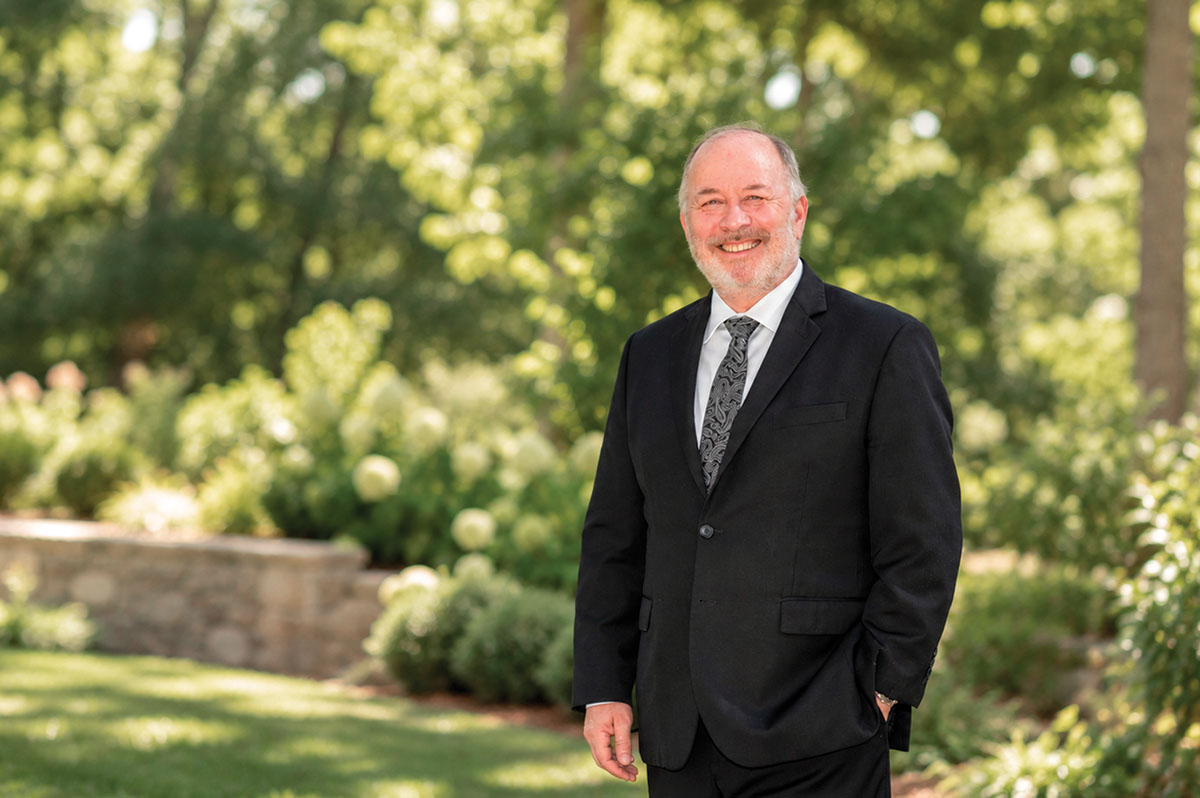
Rabbi Abraham Skorka is currently the rector of the Seminario Rabínico Latinoamericano Marshall T. Meyer, which trains Masorti/Conservative rabbis, cantors and educators in the Latin American Jewish community. The rabbi and Pope Francis co-authored “On Heaven and Earth,” a book on interfaith dialogue. He will be in Southern California for various Masorti Olami-sponsored events Jan. 22-25. For more information, visit masortiolami.org and follow the rabbi on Twitter at @RabbiSkorka.