It was unsettling to hear Israeli President Reuven Rivlin say last week, “The time has come to admit that Israel is a sick society, with an illness that demands treatment.”
Rivlin was referring to the resurgence of animosity between Israeli Arabs and Jews in the wake of the Gaza war, but he could as easily have been referring to any number of Israeli “ills” that demand “treatment.”
I used to be really bothered by this kind of harsh self-criticism, especially when it came from Israelis themselves. Do our enemies really need more ammunition against us? Do we Jews really need to wash so much of our dirty laundry in public?
I still have sympathy for those sentiments, but only because Israel is the only country in the region engaging in such self-reflection and self-criticism.
Imagine for a second the shockwaves throughout the world if we heard these words from the leader of Saudi Arabia: “The time has come to admit that Saudi Arabia is a sick society, with an illness that demands treatment.”
We would have to pinch ourselves if any Arab leader would declare, for example: “Decent societies depend on human rights, women’s rights and gay rights; on freedom of speech; freedom of religion; accountable government; an independent legal system and great universities.”
Imagine if the young people who risked their lives protesting during the long-gone Arab Spring would hear their Arab leaders say things like: “It’s time we stop blaming others for our problems and start taking responsibility for our own people and our own future.”
This kind of talk can only happen in cultures that encourage people to speak up and think for themselves. It can’t happen in a culture of fear, as we see now in Egypt, where political activist Sanaa Seif was sentenced last week to three years in prison simply for protesting what Amnesty International has called “Draconian” anti-protest laws.
As much as I admire the freedom to protest in Israel, it saddens me that of the 21 countries and territories in the Middle East and North Africa monitored by Freedom House, Israel is the only country classified as “free.” We seem to take for granted that Arab countries can’t catch up to Israel on the freedom front, but isn’t that the bigotry of low expectations?
Yes, Israel is paying a price for this imbalance. After all, if only one country in the region routinely points out its shortcomings — and much of the world picks on that country as well — how can one not conclude that Israel is deserving of the worst condemnations?
In the long run, though, it’s worth paying that price. It’s not a coincidence that Israel is a global leader in scientific and cultural innovation and that its economy is so far ahead of any other in the region. Behind this phenomenal success is a restless culture of self-criticism and responsibility that keeps the country on its toes and propels it forward.
Israel’s shortcomings are legion — from social and economic injustices, to ethnic discrimination, to the high cost of living, to its failure to resolve its conflict with the Palestinians — but so are its armies of critics and activists who fight to expose these faults and to make the country a better place. This makes for a noisy and messy society, with much of the noise coming from the criticism itself.
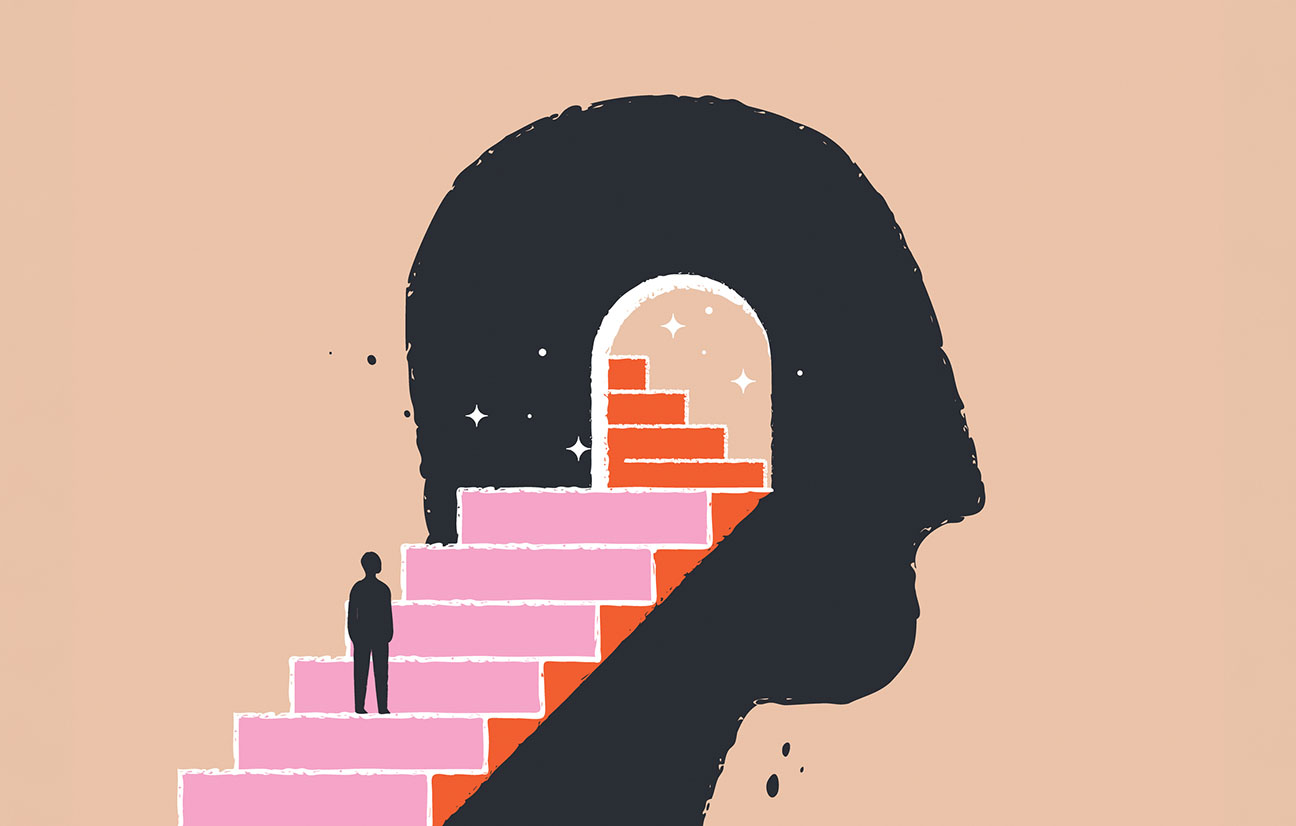
Sometimes it’s tempting to look at this criticism — as when President Rivlin called Israel a “sick society” — and throw your hands up in disgust. But it’s the second part of Rivlin’s statement — the part where he said the illness “demands treatment” — that is really Israel’s secret sauce. The very conference at which Rivlin was speaking, “From Hatred of the Stranger to Acceptance of the Other,” is evidence of that secret sauce. Such efforts at self-correction happen throughout the country on every issue. It’s not always pretty, and it often fails, but that is Israel — an imperfect country in a continuous state of correction.
Now, imagine if all the countries of the region had the chutzpah — from the top down — to openly admit that their societies are sick and demand treatment. Imagine if they emulated Israel’s messy system and created a social and legal culture with the power to tackle chronic problems like the oppression of women and the absence of economic opportunities. The freedom and power to make things better is the beginning of true hope.
Israel may have a lot of good things to export to its Arab neighbors, but for my money, its most essential export should be its culture of relentless self-criticism.
A truly sick society is one that refuses to call itself sick.