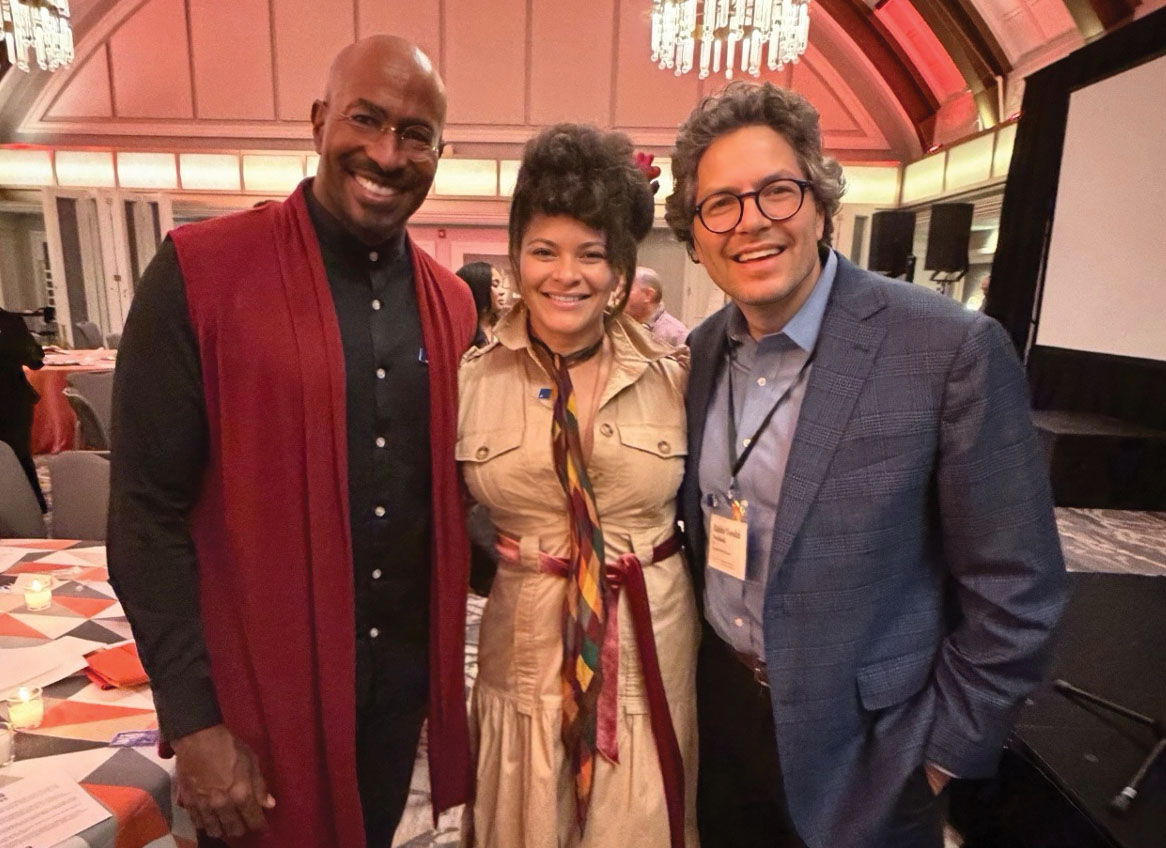
My 22-year old granddaughter, Maya Raymond, having taken her final exam before graduating from the University of California, Santa Barbara, drove down Friday (May 23) afternoon to Los Angeles to spend an Erev Shabbat dinner with her parents, siblings and grandparents.
We hugged each other goodbye around 9:30 in the evening, and a few minutes later Maya started receiving the first trickle of a torrent of text messages reporting the killing rampage on the campus bedroom community of Isla Vista, which claimed six victims.
Maya and 15 other girls share a rented house on Isla Vista, which is generally unguarded and adjoins the car route taken by the suspected killer, Elliot Rodger, who apparently took his own life when cornered by sheriff’s deputies.
Usually, Maya and her housemates walk or bike along the crowded neighborhood streets in the evening for a bite to eat or to window-shop. Fortunately, on that particular evening all the house residents had decided to go on a camping trip a few miles away.
As soon as campus and law enforcement authorities became aware of what was going on, “We started getting texts and calls from everywhere, including Hillel counselors, asking if we needed any help or wanted to talk,” Maya said.
The killing rampage, following a meningitis outbreak on campus earlier this years, “has everyone shaken up,” she added.
Elliot Rodger, 22, was born in London and moved with his parents to Los Angeles when he was five. The father, Peter Rodger, was the assistant director on “Hunger Games,” the dystopian film of a world in in which teenagers were pitted against each other in fights to the death.
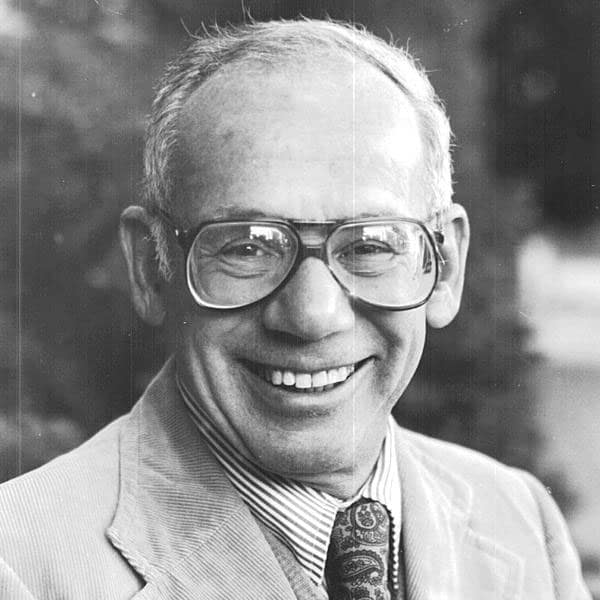
George Rodger, Elliot’s grandfather, was a noted British photojournalist, who, embedded with the British army during World War II, was among the first to reach the Bergen-Belsen concentration camp and his iconic pictures documented the horror of the Final Solution.