Sometimes you see a movie and the thing you take away has nothing to do with the movie.
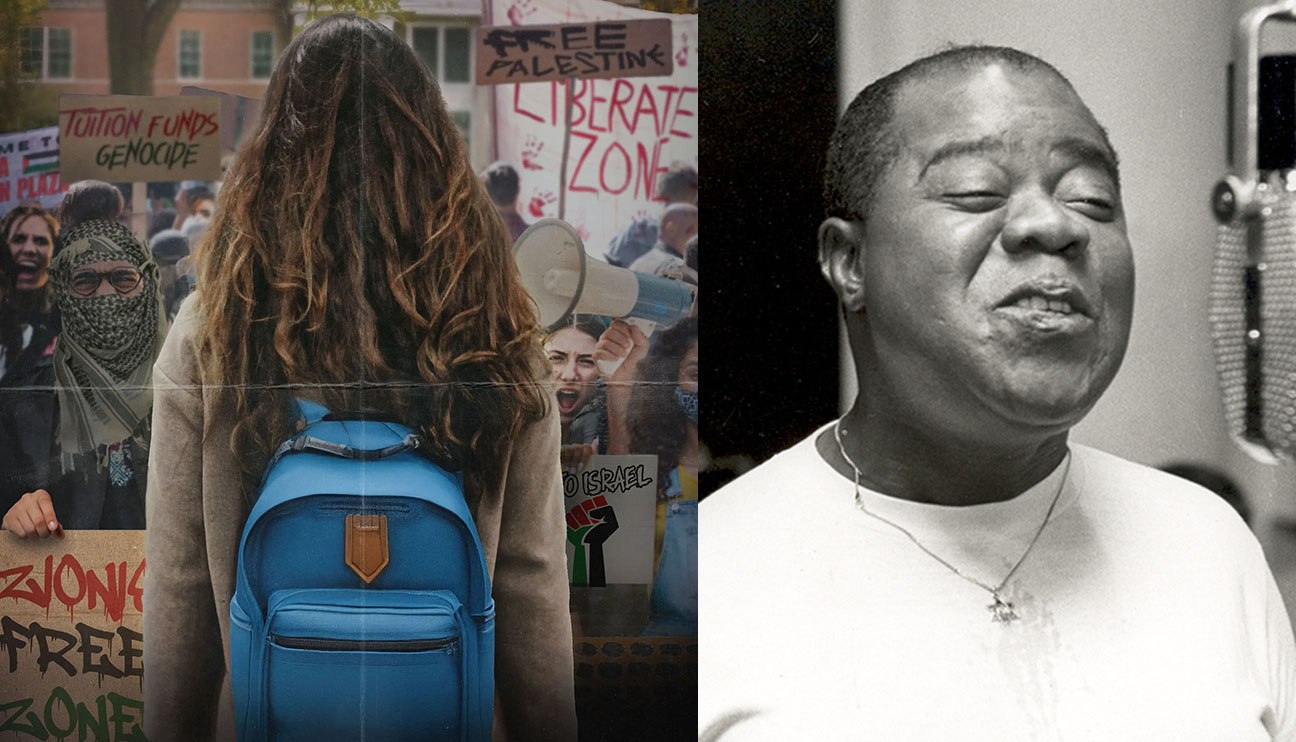
That happened to me the other night at Sinai Temple after a friend and I saw the documentary “Blind Spot,” which bills itself as “the first film to document campus antisemitism before and after Oct. 7.”
The film chronicles the rise of harassment and discrimination against Jewish students, centering on the personal accounts of over two dozen students, many of whom turn into activists.
The hatred in the film is so palpable it’s hard to describe. This has nothing to do with loving the Palestinian cause, I kept thinking. This is hysterical hatred for a people.
It’s not as if I haven’t seen such scenes before, but somehow, they hit me harder this time.
Maybe it was the lack of anger among the Jewish students. They filed complaints, they appealed to administrators and generally used “the system” to push back the best they could. They were passionate about their Jewish pride and about fighting back, but there was no rage, no ugliness. Just a recognition that things are bad for the Jews and they must not remain silent.
So while the film didn’t break new ground for a journalist who’s seen pretty much everything on the topic, it served as a crucial reminder that we should never get too complacent about a disease that continues to spread.
Where the film did break new ground for me was when one of the Jewish students spoke about a family member’s relationship with American jazz legend Louis Armstrong.
It turns out that when Armstrong was seven, he was unofficially adopted by a Jewish family in New Orleans. The Karnofsky family were Lithuanian immigrants who operated a junk-hauling business. Because young Louis lived in poverty, the Karnofskys provided him with meals, a bed and emotional support. They even helped him purchase his first musical instrument, a cornet, from a pawn shop.
This instilled in Armstrong a lifelong connection with the Jewish community, and for the remainder of his life, he wore a Magen David around his neck.
What a story!
In the midst of vile Jew-hatred, the film took a detour to show us Jew-love.
That scene of Jew-love made me reflect on the silent price many of us must pay when we fight antisemitism. Spending so much of our time defending ourselves against Jew-haters is not who we are or who we want to be. It’s something we are forced to be.
Indeed the Jewish story in America is marked by an aspiration to thrive and contribute, not by a need to defend ourselves.
Similarly, the Jewish students in “Blind Spot” would much rather talk about their future careers and how they will contribute to their country than getting signatures on a petition seeking more protection.
The haters, however, have forced us to become fighters. There’s value and meaning in that, but there’s greater value in helping a poor Black kid become the world’s greatest jazz musician.
I know because that’s what I remember most from the film.