
The story goes that the Chief Rabbi of Israel visited the Vatican and was invited into the Pope’s private quarters. In the corner was a pay phone. The Pope said that the phone was a direct line to God, and suggested that the rabbi make a call. When the rabbi picked up the receiver, an operator came on the line asking him to deposit $20 in coins. “Why so much?” asked the rabbi, to which the operator responded, “What did you expect? It’s a long distance call.”
The Chief Rabbi returned the hospitality when the Pope came to Israel. In the corner of the rabbi’s office was a pay phone, which again was a hot line to God. The rabbi encouraged the Pope to make a call and when he tried, an operator asked him to deposit a quarter. “Why so cheap?” asked the Pope. “It’s a local call” said the operator.
Is God in the Holy Land? Is God everywhere? Anywhere?
Roughly one in two adult Americans describe themselves as religious. Presumably, many of them find God at a house of worship. But that likely underestimates the total number of believers, since an additional one in three Americans identify as “spiritual, but not religious.” While that seems to suggest that they reject the belief in a higher being, I wonder.
When I was president of Northwestern, I would gather together local Jewish, Christian and Muslim clergy for a lunch discussion around subjects relating to faith. On one such occasion, the topic was about those who were willing to refer to themselves as spiritual, but without the trappings of religious observance. Most of the clergy sought to build upon that spirituality and transform it into more formal practice.
After that event I was interviewed by a reporter from the school paper who asked me whether I could relate to students who identified as members of the “spiritual/not religious” group – those, she said, who found solace and inspiration in nature, rather than through a divine presence. I replied that it is hard for me to get my arms around that notion, since, though I too appreciate nature, I worship God, not trees.
That response caused a bit of an uproar on campus. I was subsequently summoned to a dinner thrown by the Secular Humanist Club, an organization that I was surprised to learn was under the umbrella of the chaplain’s office. I found the ensuing discussion to be remarkably similar to the ones I had when I visited with members of the various faith-based groups on campus. The secular humanists were searching for something other-worldly, and while they were adamant not to label it divine, they too sought direction and spiritual guidance in their lives.
I may have expected as much based on that earlier lunch. A priest told the story of a woman who regularly attended services but rejected referring to herself as religious. Why did she go? She said that church provided a loving community, and an opportunity to remove herself from a hectic and complicated world. And, to top it off, she added, if there really is a God, maybe her church attendance would serve her well in the hereafter.
Good reasons, I think, for any religious observance. Adhering to the tenets of Judaism, for example, is a recipe for leading a virtuous life. And, if it turns out that God does exist, even better.
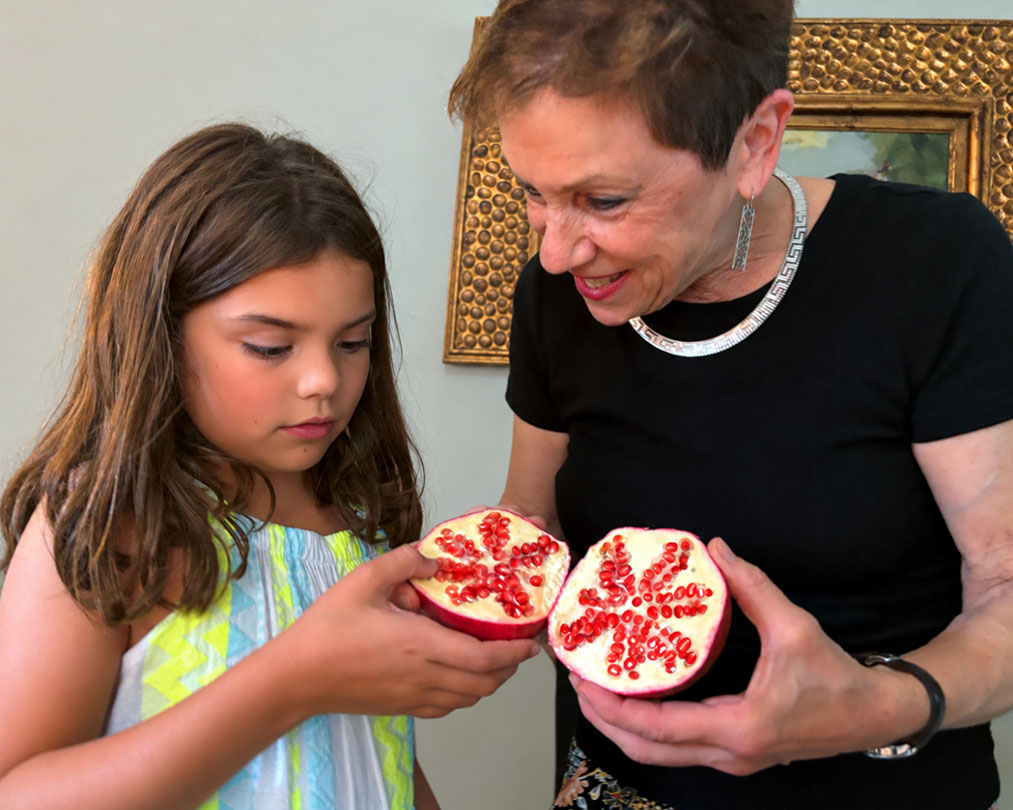
I suspect that few believe that the only way to feel close to God is through attending a religious service or visiting the Holy Land. While going to shul each Shabbat is an integral part of my life, I also feel God’s presence outside of synagogue – like when I look into the eyes of my granddaughter.
We all know the line that there are no atheists in the foxholes, and we are aware that many embrace prayer in the hospital emergency rooms. In return for God answering our prayers, we may promise to become more observant, but whether we actually do so or not, living a moral life strikes me as being a highly appropriate way to express one’s gratitude.
Morton Schapiro served for more than 22 years as President of Northwestern University and Williams College. He taught almost 7,000 undergraduates over his more than 40 years as an economics professor.