

We all want the best for our children. We all want to help them succeed. We should all know, however, that there are lines which must not be crossed.
Getting a tutor for your child who is struggling in math? Of course — if you are fortunate enough to be able to afford it.
Sitting with your kid, helping them think about what topic they should choose for their essay? Not a problem.
But committing fraud? Stealing a university spot from a more qualified student? Conspiring to create fake athletic credentials for your child, in a sport they have never even played or that their high school doesn’t even offer? You’ve got to be kidding me.
The college admission scandal that has been in the news these past few weeks is personal for me. It’s not just that my oldest went through the process last year with SAT and ACT prep classes, college visits and essays, and then the painful and anxiety producing season of acceptances, deferments and rejections. It was personal in another way. As I read the list of names of the accused, I saw two that I recognized: parents of children whom my kids had gone to preschool with years ago.
I wondered how these people I had known as decent, loving parents and seemingly fine, upstanding members of our community could have justified such reprehensible behavior — if they indeed did what they are accused of having done.
Yes, we all want our children to succeed in life, but what do we mean by success? Is getting into an elite university our measure of success? Is it so important that we would sacrifice our integrity or, even worse, the integrity of our children to achieve it?
This is much bigger than the 50 or so individuals named as part of the “Operation Varsity Blues” college admissions scandal. Our culture needs fixing.
“We all want our children to succeed in life, but what do we mean by success? Is getting into an elite university our measure of success?”
We need to rethink our definition of success, of status, of what constitutes “bragging rights” for parents and students — and for the rest of us as well. We need to rethink how a “good name” is acquired, what we call a shem tov in Hebrew. That’s what those parents and students wanted. What they got was quite the opposite.
Here’s the important lesson: a good name, a shem tov, cannot be purchased. It is earned through a lifetime of goodness.
In the words of our Sages: ‘ “A good name is better than precious oil; and the day of death than the day of one’s birth.” ’ (Ecclesiastes 7:1) They asked [King] Solomon: Why is a good name better than precious oil? He replied: When a person is born, no one knows what he or she will become, but when they leave this world with a good name — a good reputation — they inspire others to do good deeds by their example…. And when others speak of them, they say: ‘How righteous was this person! How great were her acts of righteousness! How learned was he in Torah! How devoted was she to a life of mitzvot — a life of duty! Surely will his sleep be with the righteous!’ ” (Midrash Tanchuma, Vayakheil 1:3)
This is what we should want for our children and ourselves. This is the success for which we should strive: a life of integrity; a life of goodness; a life well-lived that will inspire others to live well.
Make no mistake: As Jews, learning matters deeply to us. But, in the end, the most precious diploma we can ever aspire to earn is a shem tov.
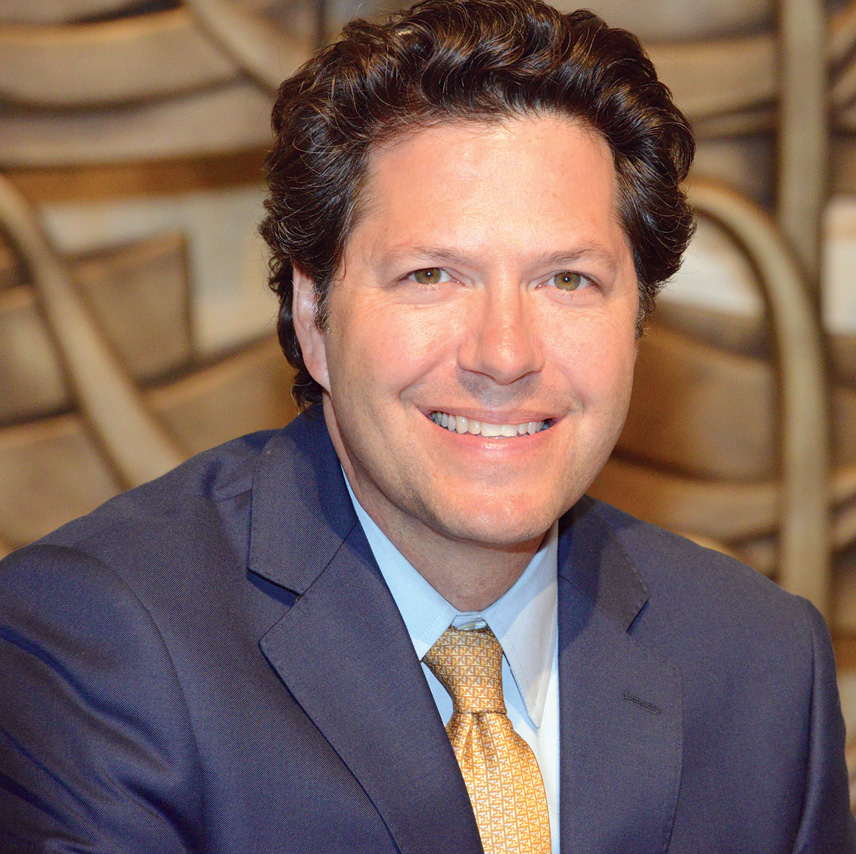
Rabbi Yoshi Zweiback is the senior rabbi at Stephen Wise Temple.
































