
Home Shalom is dedicated to raising awareness of domestic abuse in the Jewish community, encouraging every synagogue and Jewish institution to become a safe sanctuary and providing tools for teens to master the skills of creating healthy relationships. Home Shalom is a program of The Advot Project.
“We don’t see things as they are, we see things as we are.” Talmud Berahot 55b
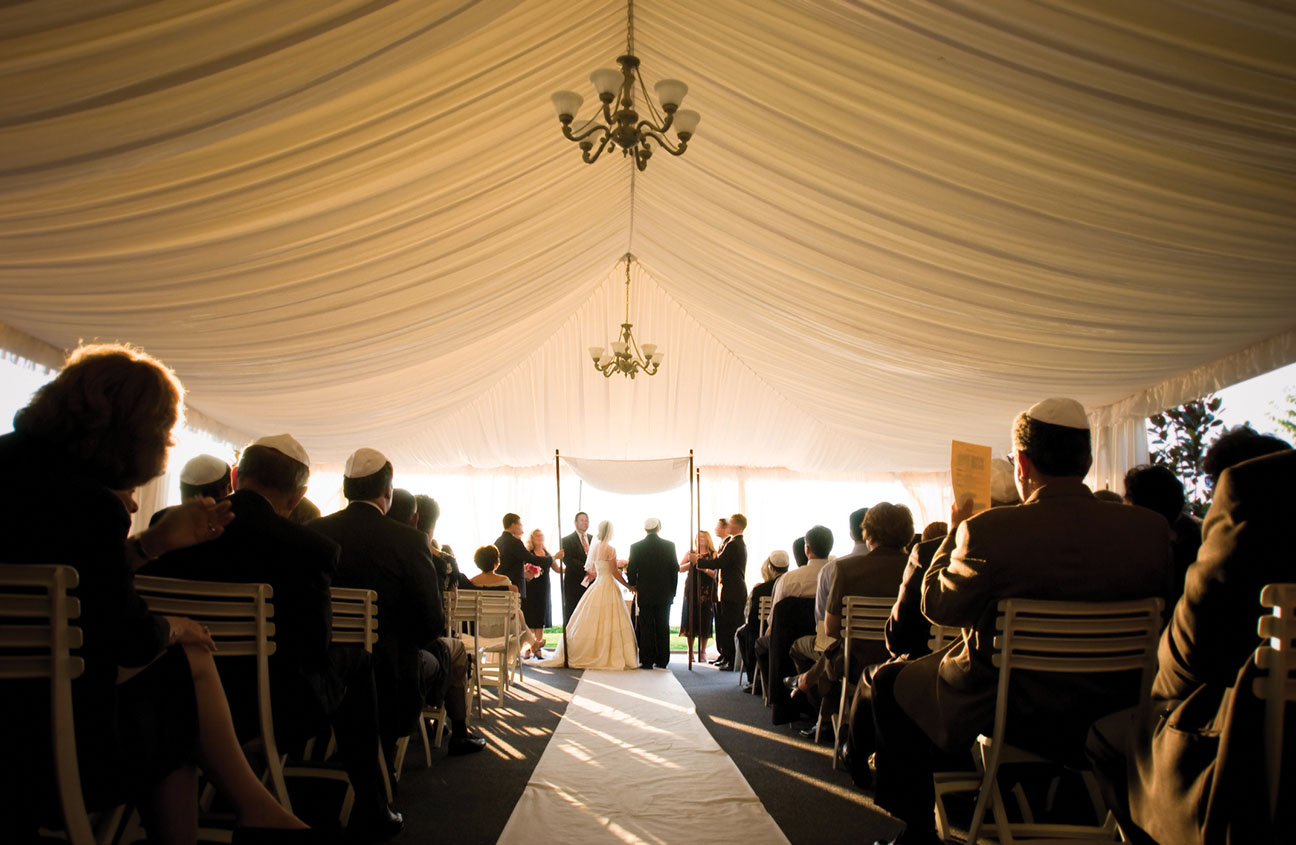
There is a beautiful Midrash about a husband and wife once upon a time in a land far away who loved each other and had been married for ten years without having any children. In those days and in that land everyone expected to have children and it was the custom if a couple were childless after ten years that they would get divorced and then find another mate with whom to try and have children. So, given the custom of the time, this couple agreed to get divorced and decided to have a going away party for themselves with friends and family.
The next Shabbat they had a great feast during which the husband said to his wife, “When you leave after tonight to return to your parent’s home (since that was the custom of the time) you can take with you from here whatever you love most.” By the end of the evening the husband had eaten and drank so much food and wine that he fell asleep so the wife asked their servants to pick him up and carry him to her father’s house. When he awoke from his sleep he called out, “Where am I?” and the wife replied, “You are in my father’s house.” “But what am I doing here?” he asked. “You told me to take whatever I loved most in our home with me when I left, and you are what I love most.” So, they never got divorced at all and both husband and wife reminded each other each Shabbat of the power of love to heal our wounds and that sometimes it’s up to us to create a new path regardless of how things have always been done.
We are living in tumultuous times filled with pain and promise, upset and opportunity. When the Talmud wisely reminds us, “We don’t see things as they are, we see things as we are” it is to shake us out of the complacency of, “this is how we have always done it” to “how can I better reflect the vision of a life, of a community, of a nation that I want to create today, tomorrow and for the next generation.” Each of us matters and each of us has both the opportunity and responsibility to become the person we want our children to grow up to be, to pray as if everything depends on God, but act as if everything depends on us. Ultimately the spiritual health of our country depends on each of us becoming the person we want the world to emulate so that one step at a time we create a new vision of a future together.
Rabbi Steven Carr Reuben, Home Shalom
Naomi Ackerman, The Advot Project