Over the past week we should have been celebrating one of the key events in the 2000 year history of Jewish-Christian relations—the promulgation of Nostra Aetate (In Our Times) by Pope Paul VI in late October, 1965.
That document was a firm renunciation of the collective guilt of Jews as “Christ killers” (bearing responsibility from Jesus’ time through the millennia) and an affirmation of the permanence of the covenant between God and the Jews (a rejection of the notion of supersession—that the Christian church supplanted Judaism in the covenant with God).
In the words of James Carroll, NYU professor and author of Constantine’s Sword and several other theologically driven works, Nostra Aetate marked “the largest shift in the history of the Church.” It has also been described as “the most radical document of the Second Vatican Council” that had been convened by Pope John XXIII.
As an old friend, Rabbi David Rosen, the interreligious affairs director of the American Jewish Committee has observed, Nostra Aetate,
[it] took us from a situation where the Jewish people were seen as cursed and rejected by God, and even in league with the devil, to a situation now where popes say it is impossible to be a true Christian and be an anti-Semite, and that the covenant between God and the Jewish people is an eternal covenant, never broken.
Pope Francis foreshadowed the importance of the anniversary of Nostra Aetate when he visited the United States in September. On his last day in the states, he made a surprise visit to St.Joseph’s University in Philadelphia to bless a special sculpture entitled “Synagoga and Ecclesia in Our Time.” The “In Our Time” of the title refers to the Nostra Aetate document.
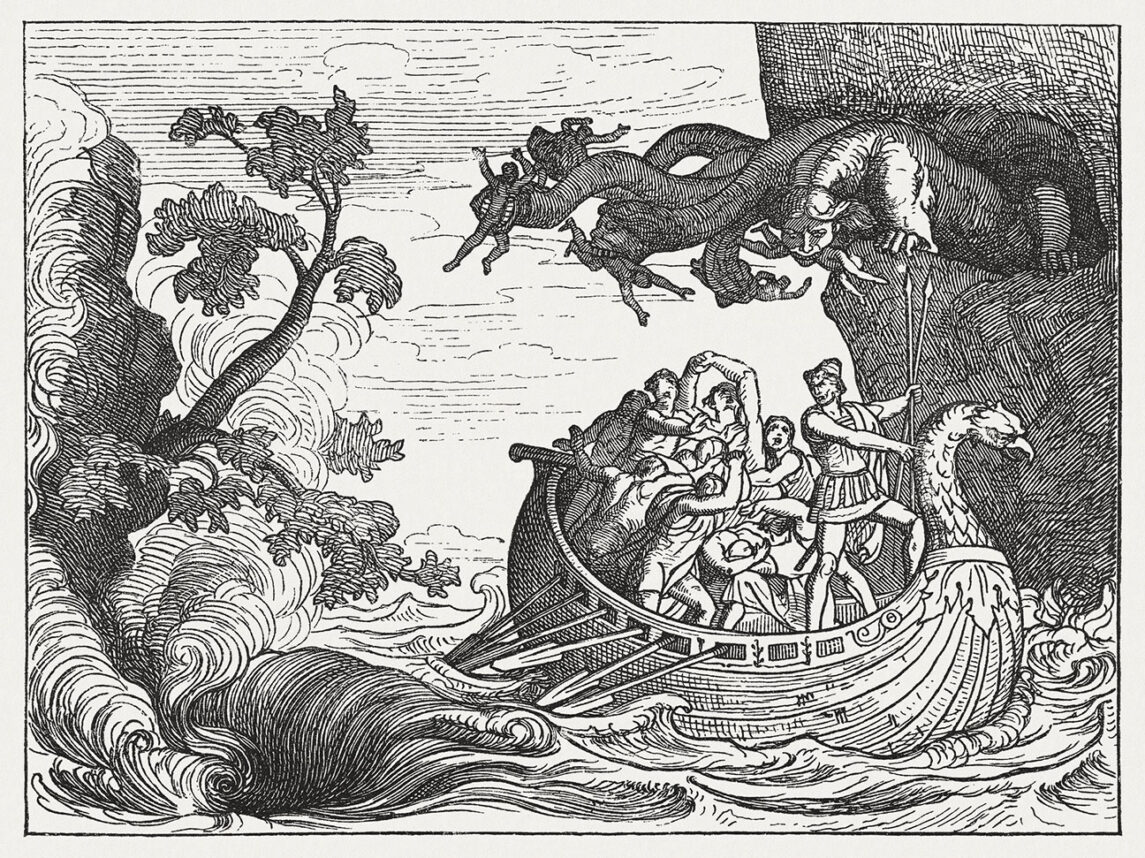
The sculpture is of two women seated next to each other, much like two sisters. One holds a book, the other a scroll, and they are looking at each other’s sacred texts in mutual respect. The iconography is in stark contrast to the traditional depiction found in churches all over Europe where a triumphant Christianity (“Ecclesia”) stands proudly, wearing a crown, while the defeated “Synagoga,” is blindfolded by a serpent, her staff broken, her tablets slipping from her hand.
This landmark event of Nostra Aetate took place in our lifetime (well, many of us) but its anniversary seems to have been under most people’s radar; it shouldn’t have been. It was an epochal event that was “a turning point in history.” This past week Pope Francis noted,
Yes to the rediscovery of the Jewish roots of Christianity. No to anti-Semitism….Since Nostra Aetate, indifference and opposition have turned into cooperation and goodwill. Enemies and strangers became friends and brothers.
If you would like to learn more about what happened fifty years ago, listen to Sunday’s NPR broadcast “>here.