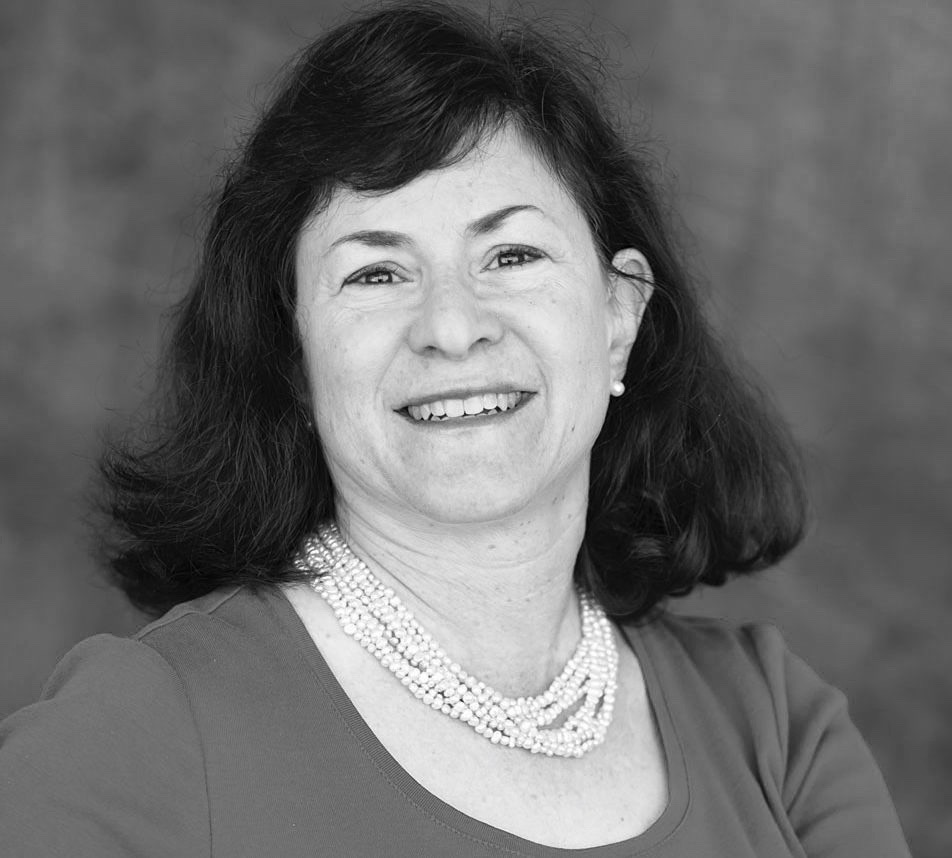
I’m looking forward to a reunion of my Whittier BBG (B’nai B’rith Girls) teen chapter this Sunday, seeing many girfriends I haven’t seen for 33 years. Thumbing through old scrapbooks with yellowing photographs of me wearing bell-bottom pants, it’s hard to believe I’m the same person smiling out from the 1970s.
Although I had a pretty good time at public high school and was very active with the school newspaper and service clubs, my heart belonged to BBG (along with a few guys in the boys group, the AZA). Weekly planning meetings, Friday night “culturals” and Saturday night “socials” along with phone calls that lasted late in the night were my lifeline. The bonds of friendship and sisterhood were deep and nourishing, even when suffering teenage angst about the huge pimple on my nose or the smallest social slight.
The best part about BBG was that we girls were in charge of our own programs and not adults. If we didn’t pick up the handset of the phone (being the prehistoric pre-cell phone days), events didn’t happen. We had to learn how to get things done, and even more importantly, how to get other people to get things done. Sometimes we failed (a regional car rally comes to mind) but most of the time, the planning and teamwork paid off.
At the time, I had BIG plans: to go to college, get an international business degree and travel around the world, making money and doing my share for world peace. Within one semester of my freshman year at college, I realized the business classes were boring and forced me to do way more math than I wanted to so I quickly changed my major to journalism.
I knew that I wanted to get married and have children but had a general hazy idea that “quality” day care would take care of the kiddies, while I would be free to travel, attend interesting lectures, read the latest hard-cover novels and take as many yoga classes as I desired. (Ah, the naïveté of the young…).
There was very little in my teen years that would prepare me for parenting a child even with a mild learning disability, let alone a complicated multiple developmental disabilities. I never imagined that my days would be occupied with medical appointments with specialists, working on basic walking and talking skills, and ensuring that my son was getting every possible therapy to stimulate his body and his brain.
But having had the experience of creating agendas, developing check-lists and thinking through all the things that could go wrong while in BBG actually did give me the confidence and tools to approach our son’s disability like just planning another dance or weekend conclave, only this time on steroids. And as we start planning our son’s young adulthood and beyond, those same skills will keep me from freaking out, and help me to focus on the years ahead.