







First of two parts
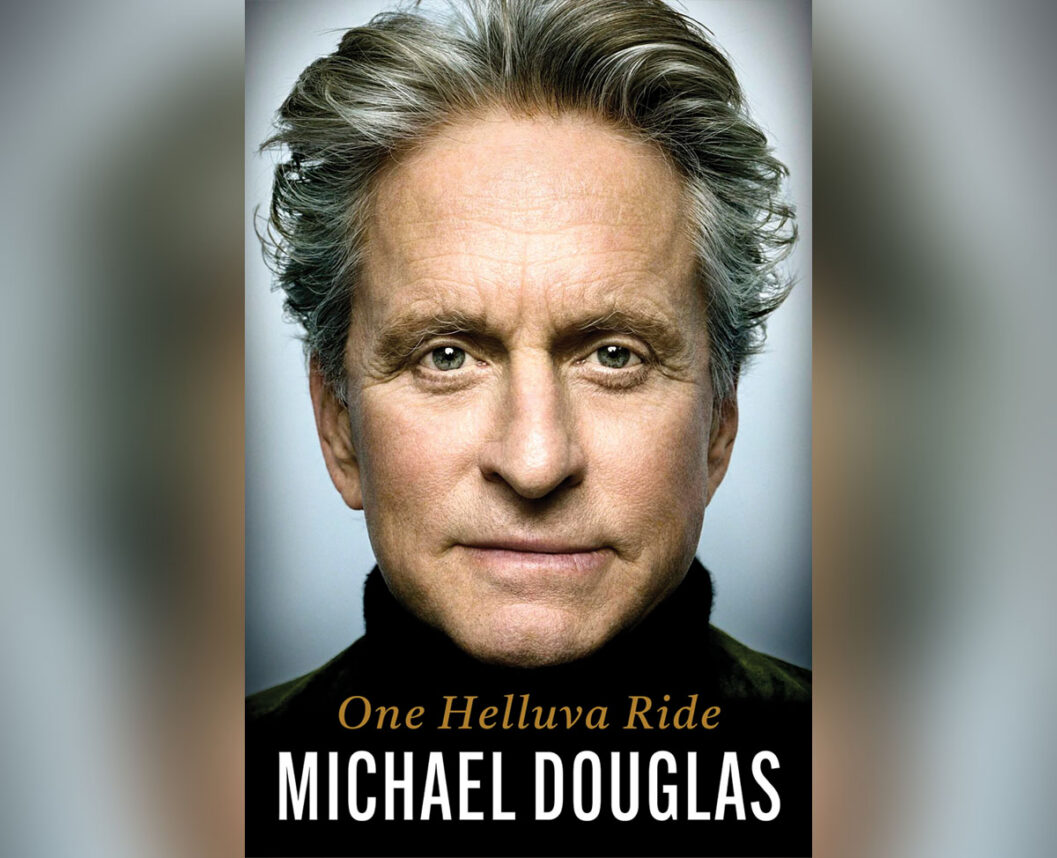
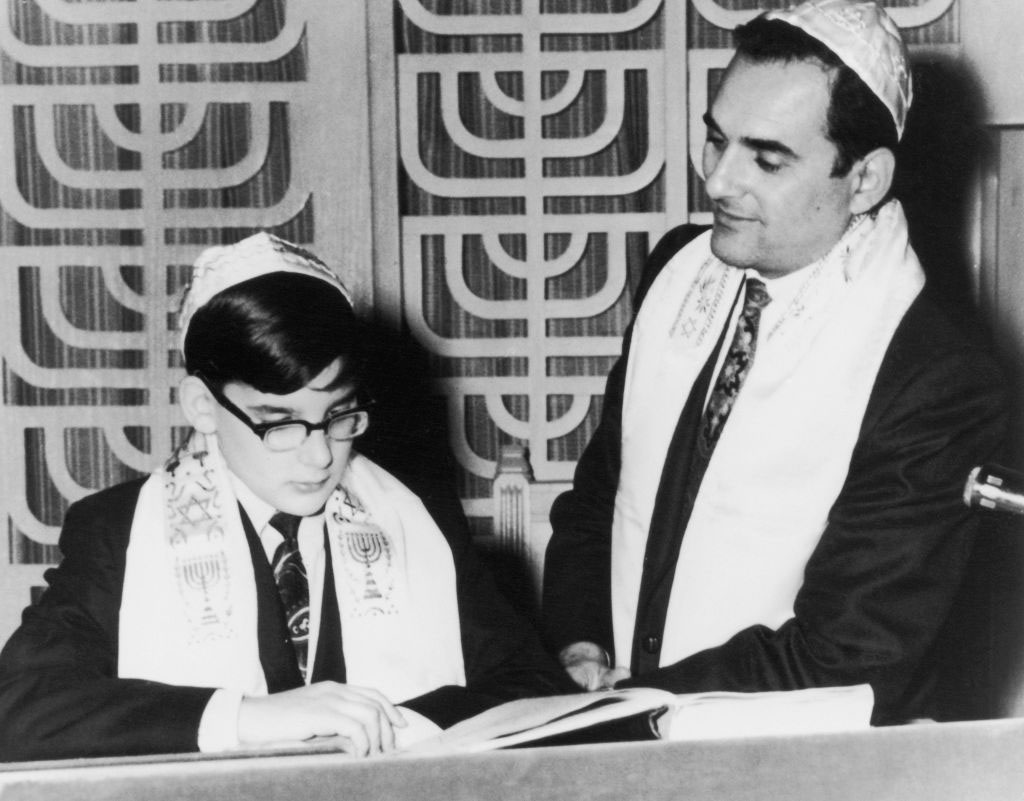
At 82, Douglas has survived cancer, is married to the love of his life, Catherine Zeta-Jones, has been in iconic films including “Wall Street” and “Basic Instinct” and grew up with the pressure of having a famous father, the legendary actor Kirk Douglas.
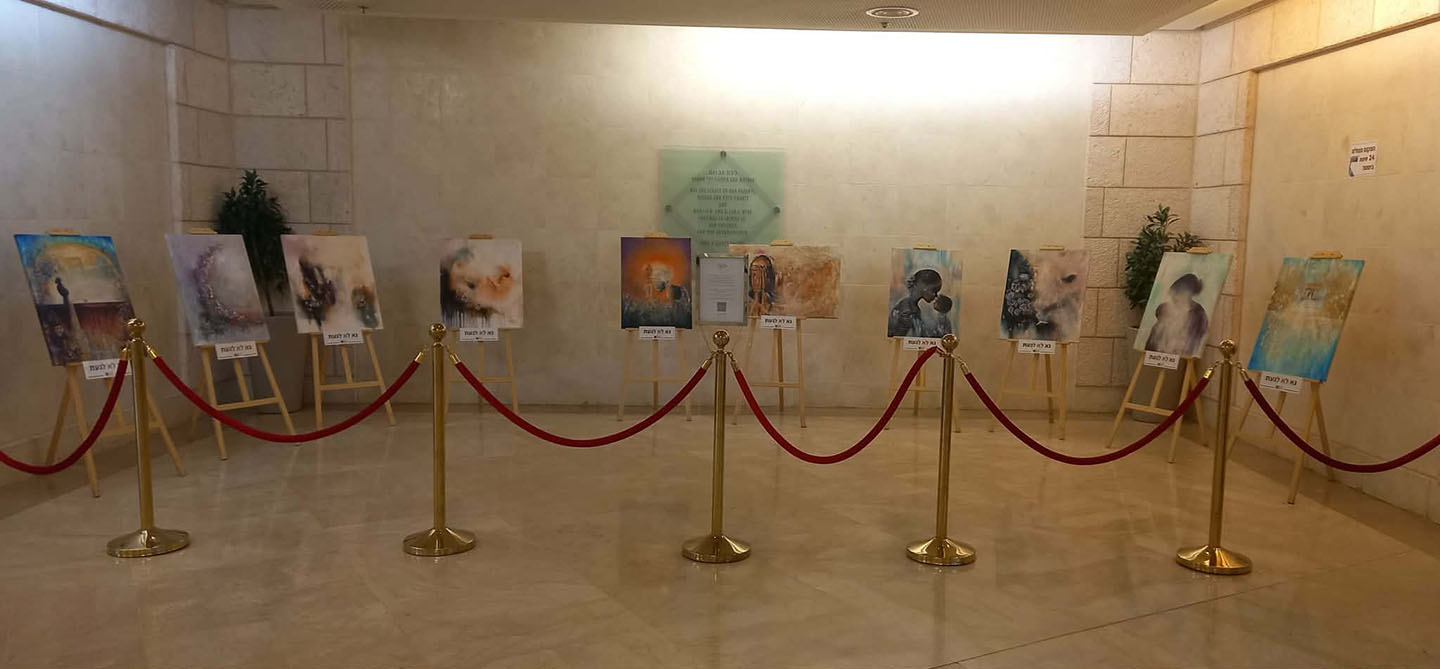
What makes them special, in addition to their ethereal beauty, is that four of the paintings are of women; two others, while abstract, appear to reference the female.
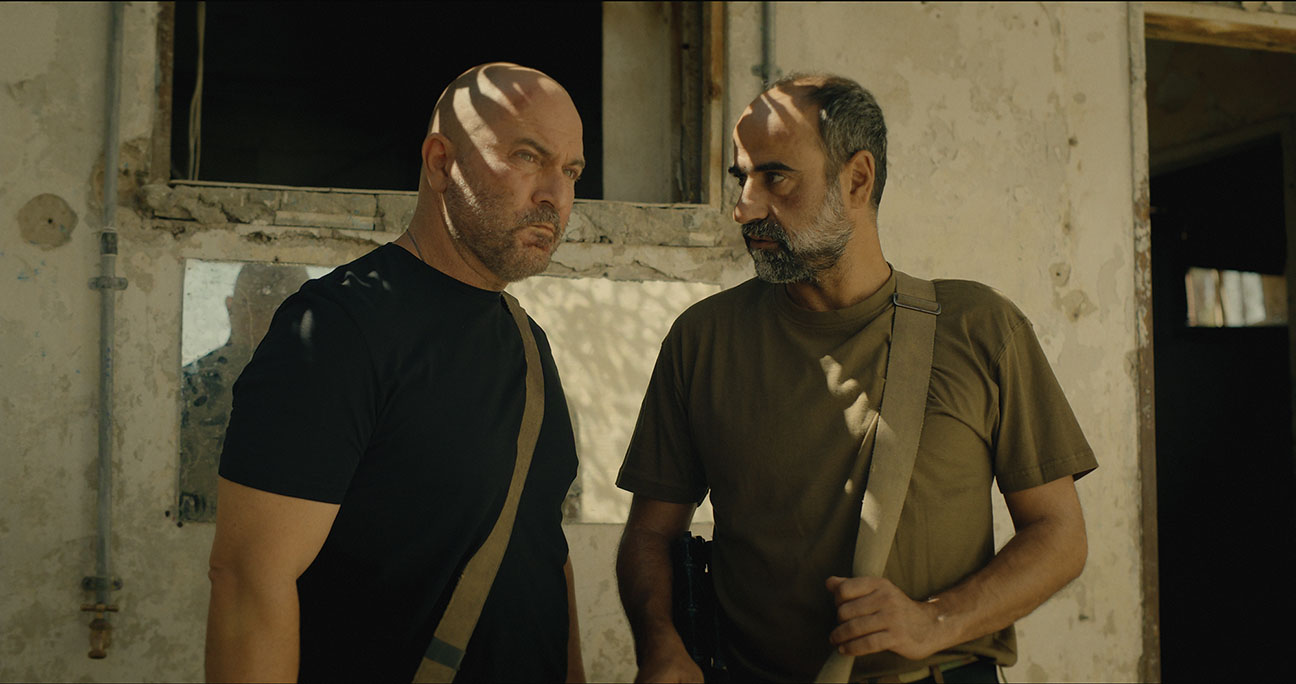
It is Episodes 7 and 8, which take viewers back to Oct. 7, that have generated some of the strongest reactions from audiences around the world.

PTSD diagnoses among children and adolescents in Israel rose almost 2.5-fold after Oct. 7. Clalit Health Services is reaching out to thousands of patients each week who have not reached out for any mental health treatment.
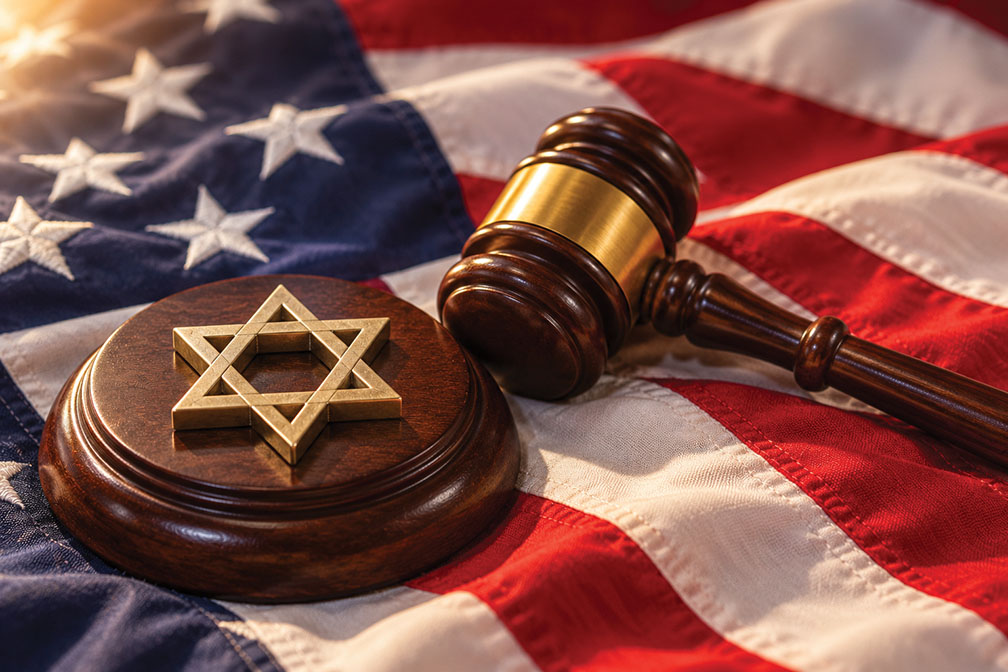
The possibility of tuition-free Jewish religious education is moving closer to reality.
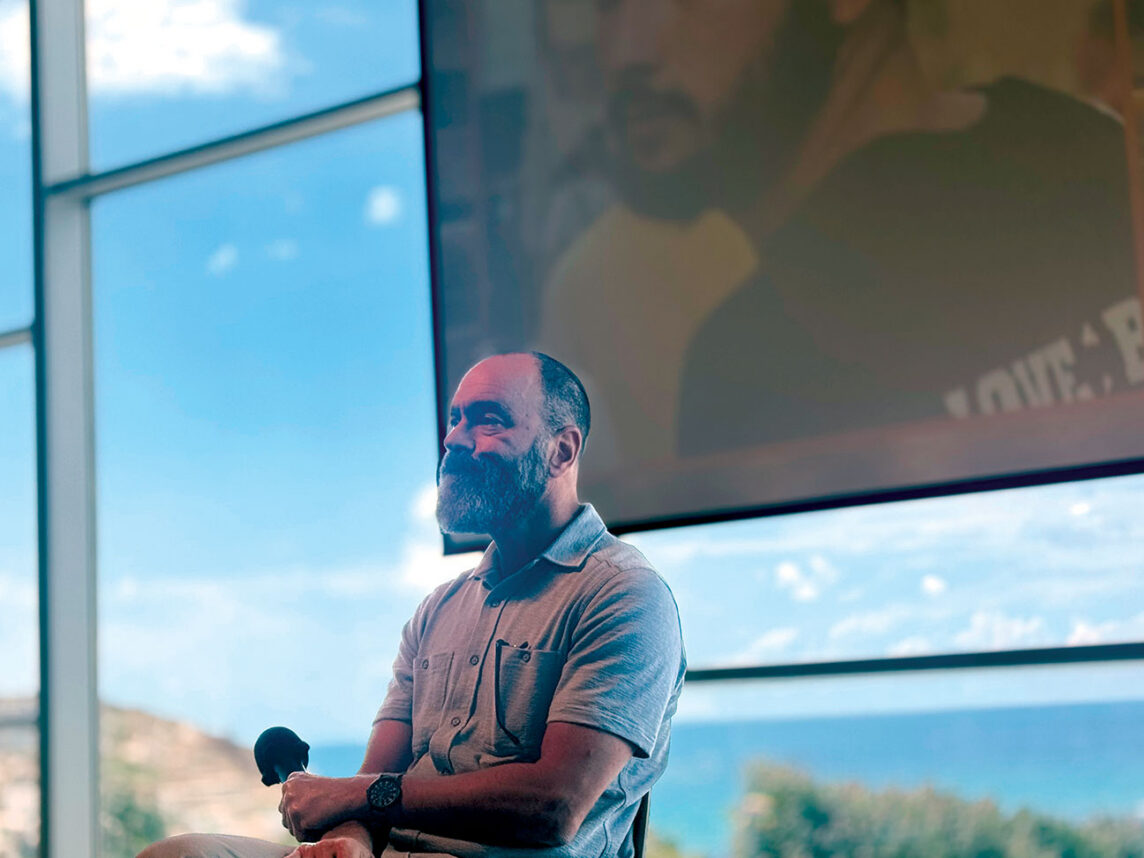
One day before the three-year anniversary of the Oct. 7th attacks, the father of slain hostage Hersh Goldberg-Polin called for a national commission of inquiry, spoke about what comes next for him and Rachel, and said punishment for Israel’s failures is not what he seeks.
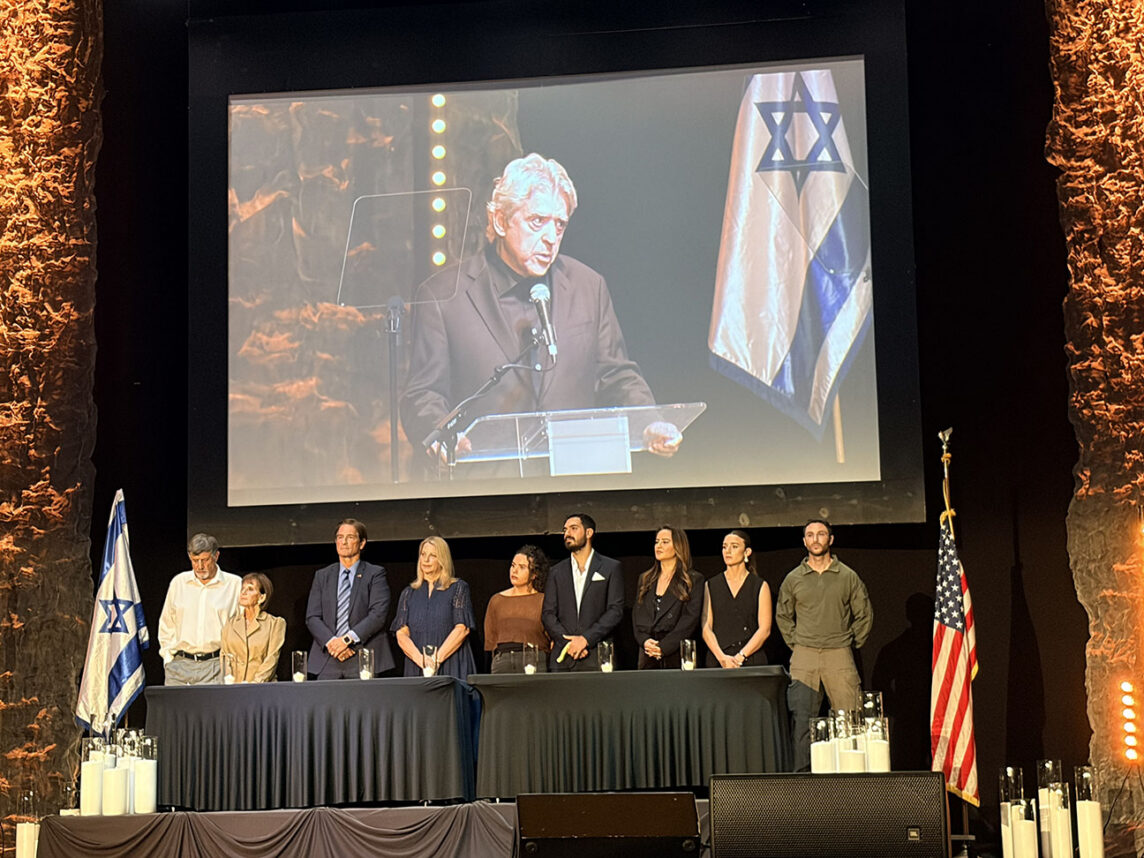
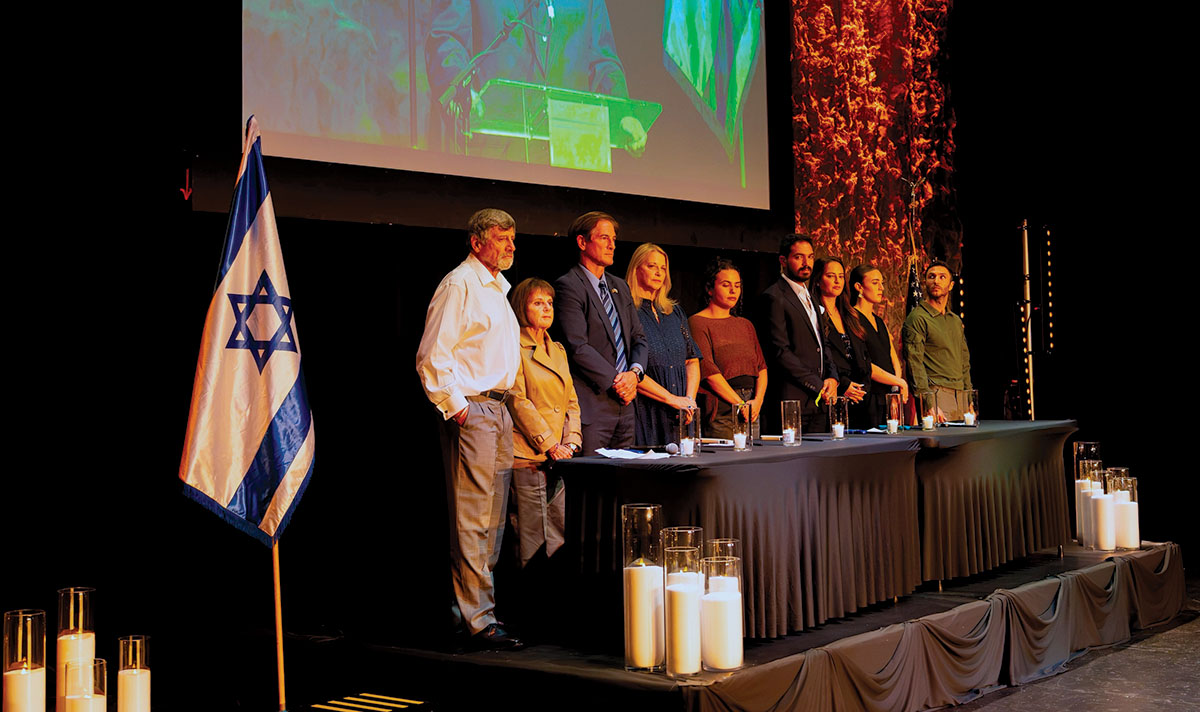
The memorial event was organized by StandWithUs in partnership with the Israeli-American Council (IAC), American Jewish Committee (AJC) Los Angeles, Temple of the Arts, the Consulate General of Israel and The Jewish Journal.
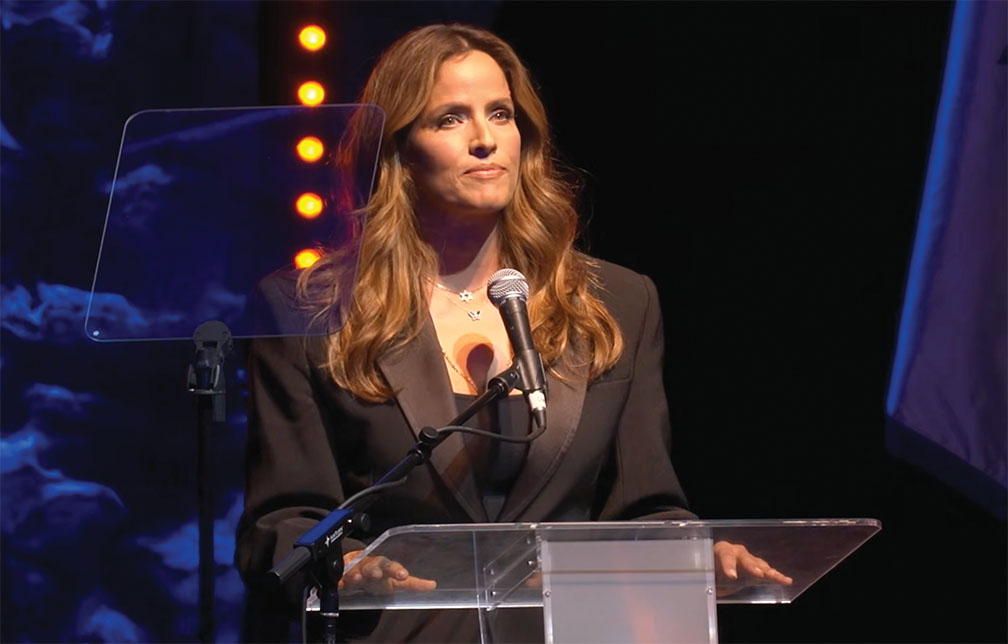
This speech is my honest look at where we are as a Jewish community.
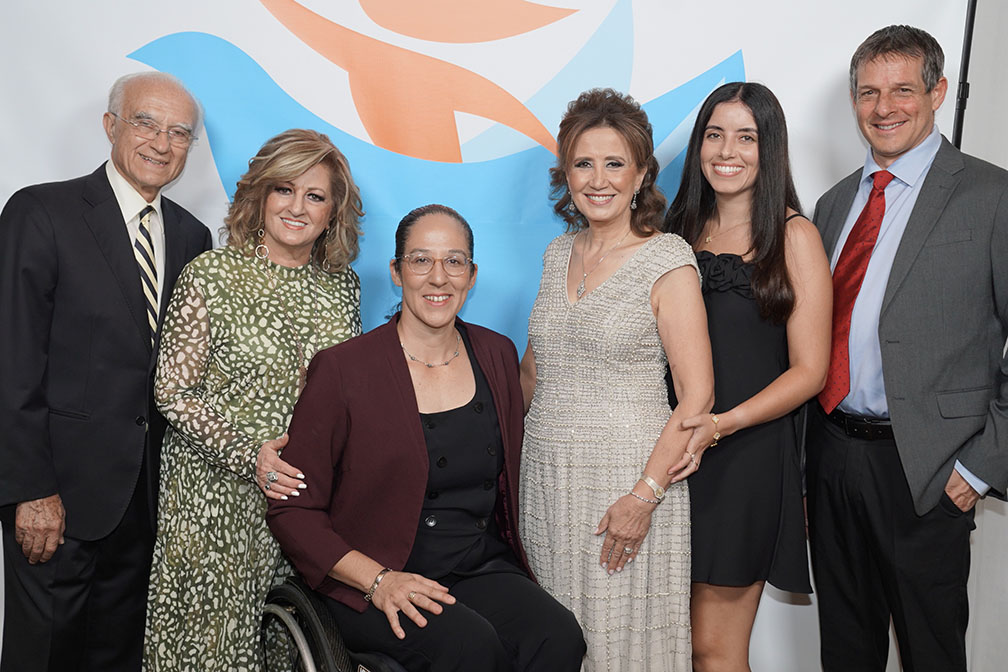
Among the evening’s highlights was an inspiring address by Israeli Paralympic champion Moran Samuel, 44, whose remarkable journey from tragedy to triumph captivated the audience.

Housing costs affect whether younger families can remain near grandparents, educators can live near schools and congregations can sustain participation across generations.
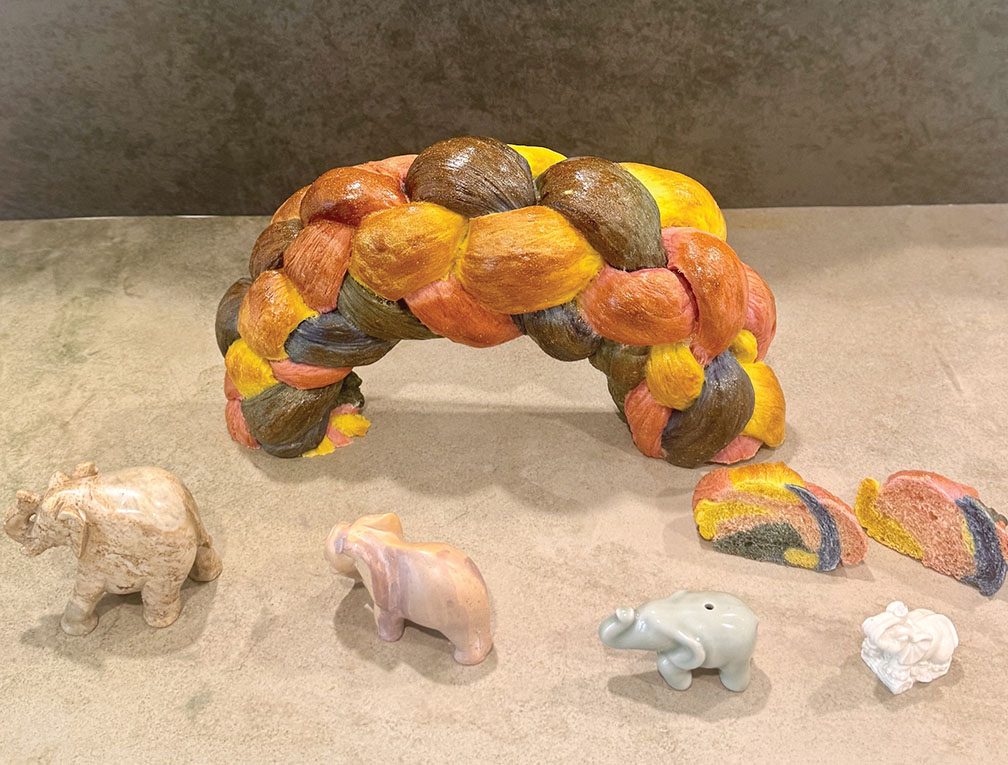
Someday, I hope to make this rainbow challah with my granddaughters.
World Gone Wrong

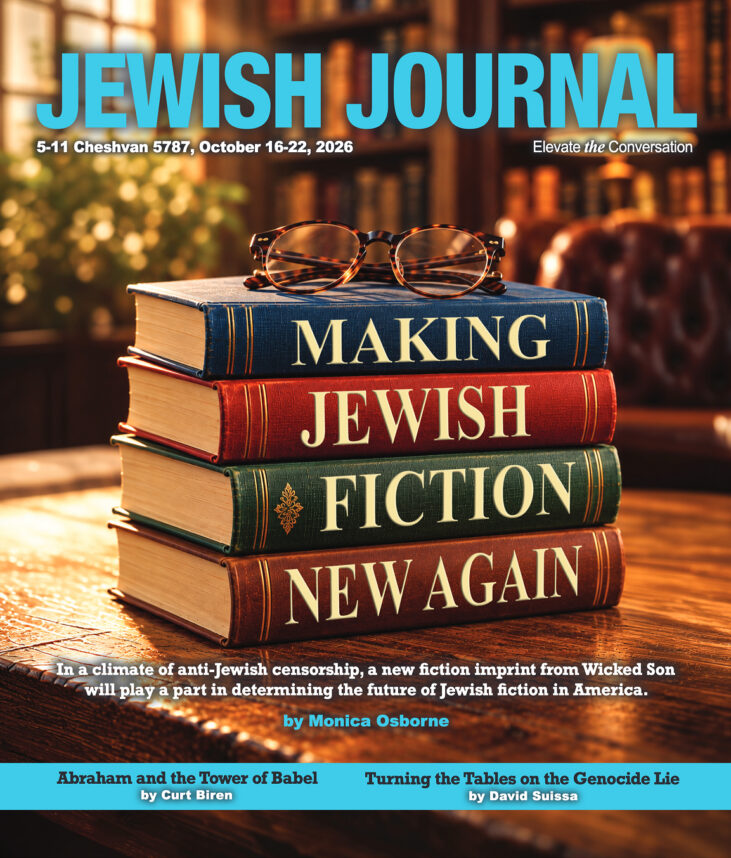
In a climate of anti-Jewish censorship, a new fiction imprint from Wicked Son will play a part in determining the future of Jewish fiction in America.
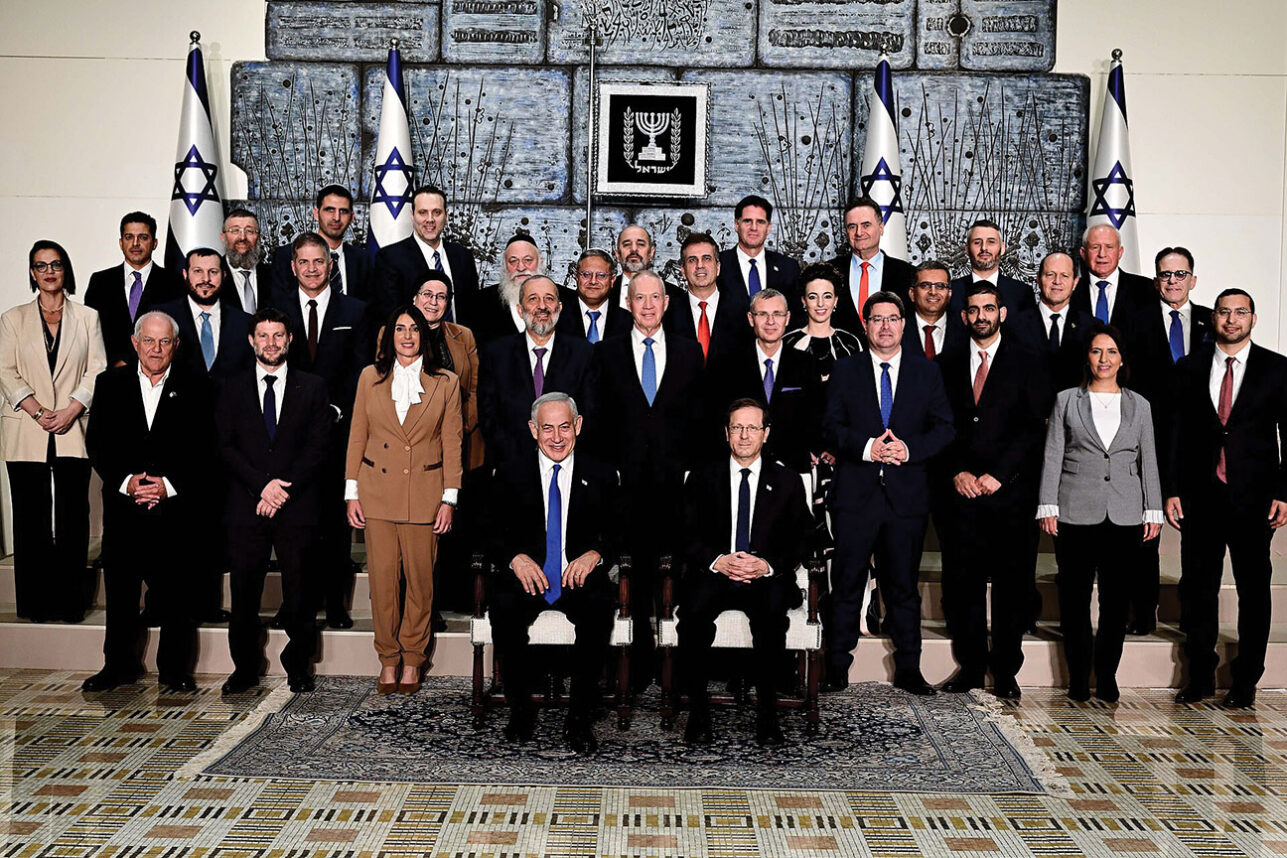
If we are right, this election will be decided by a right-winger who agrees with her government on almost everything, except how hard to push.

Here is yet another example of the Torah’s eternal relevance.
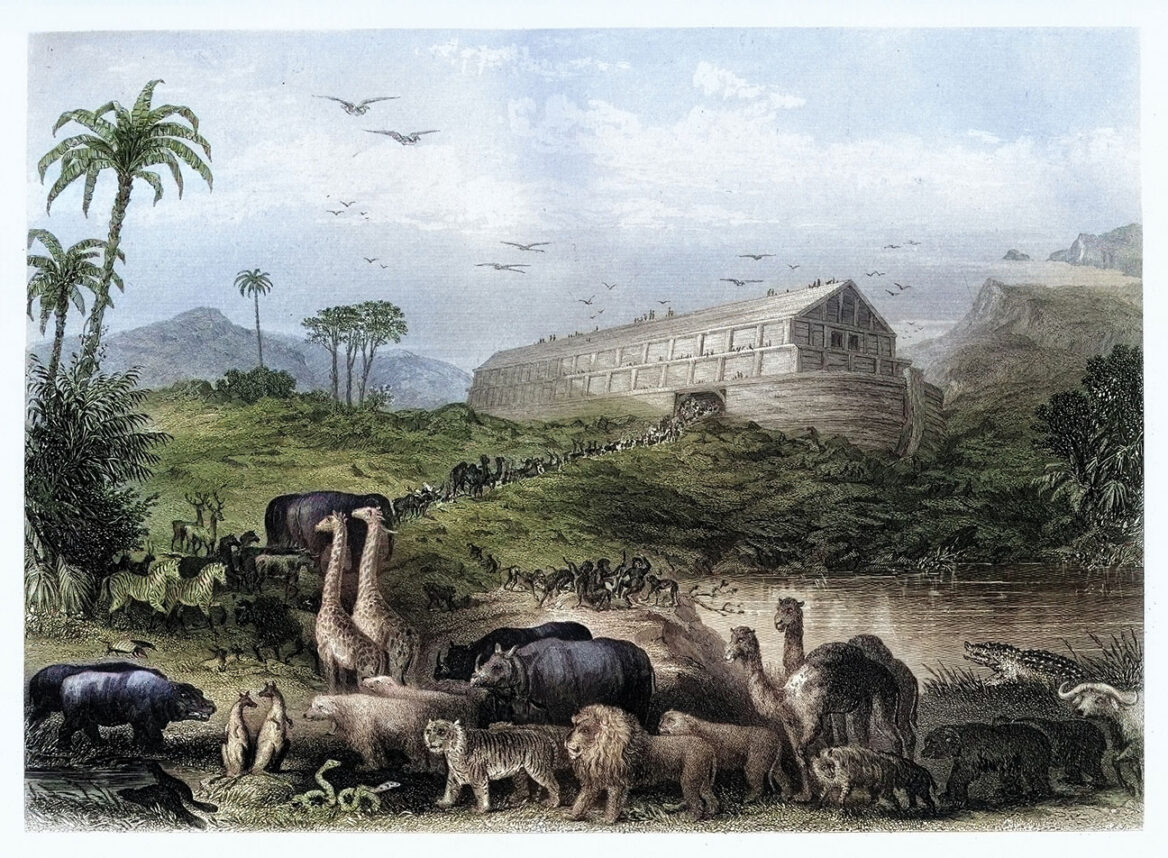
The enduring lesson of Noah’s Ark is that a better world is built not simply by insisting upon our rights, but by embracing our responsibilities.
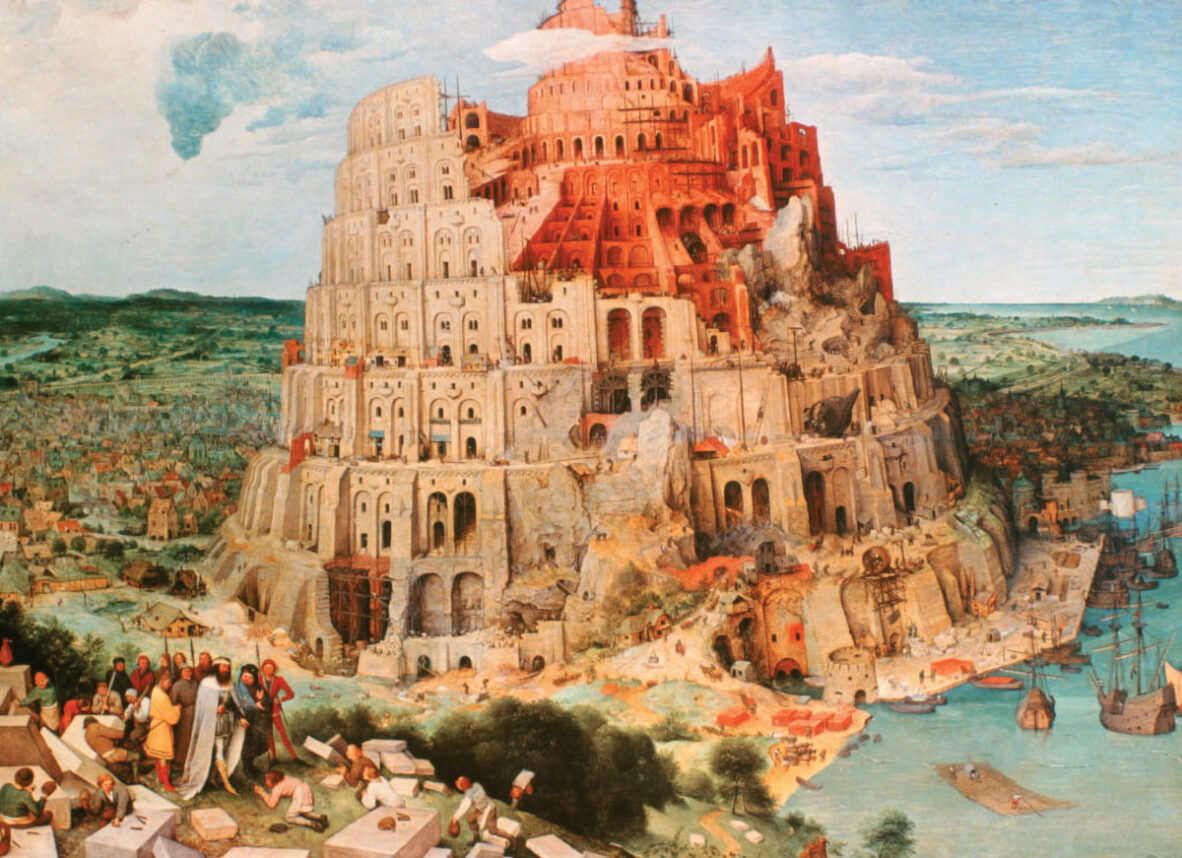
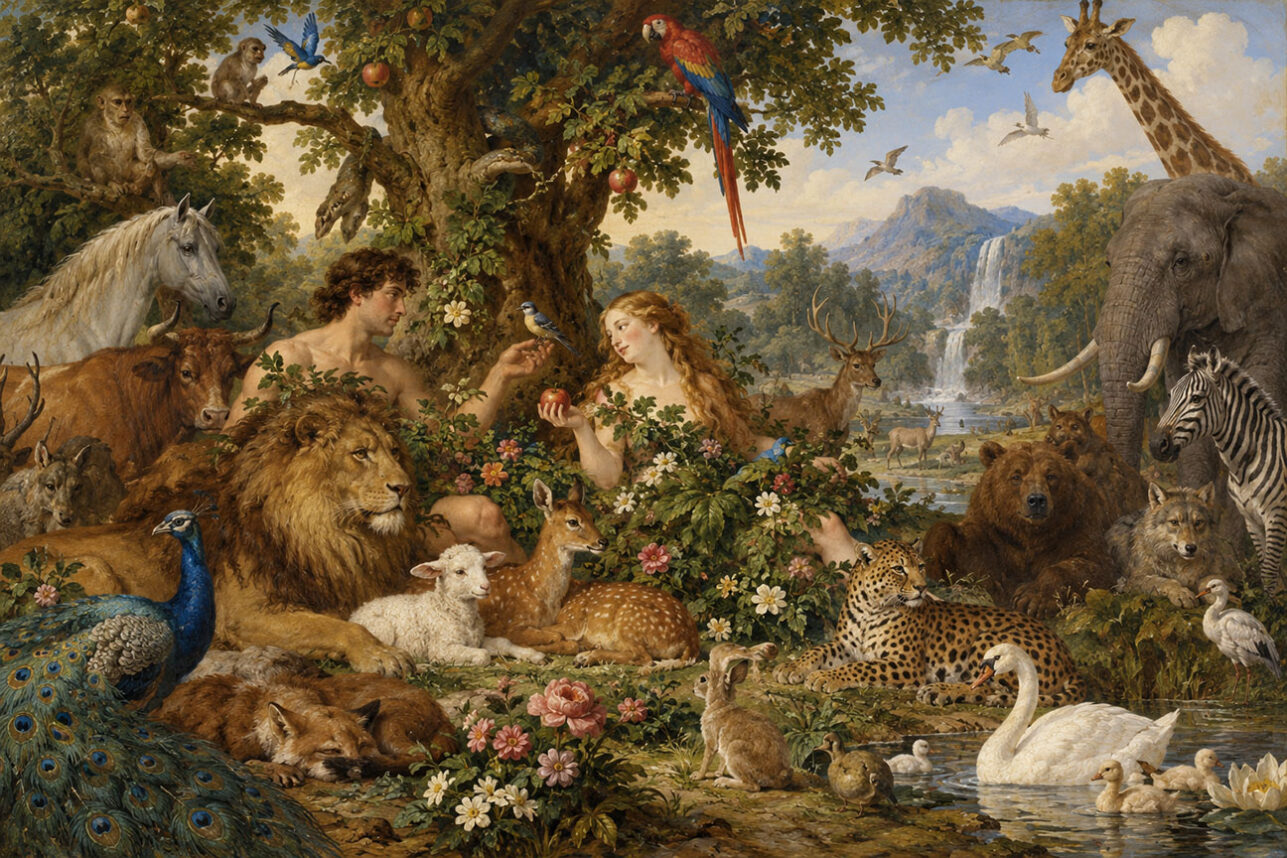
Human beings are fraught with many inclinations, some good, some bad, including the desire for particular societal outcomes, grand visions, monolithic ones — exemplified by the Tower of Babel — not guided by Godly right and just action.
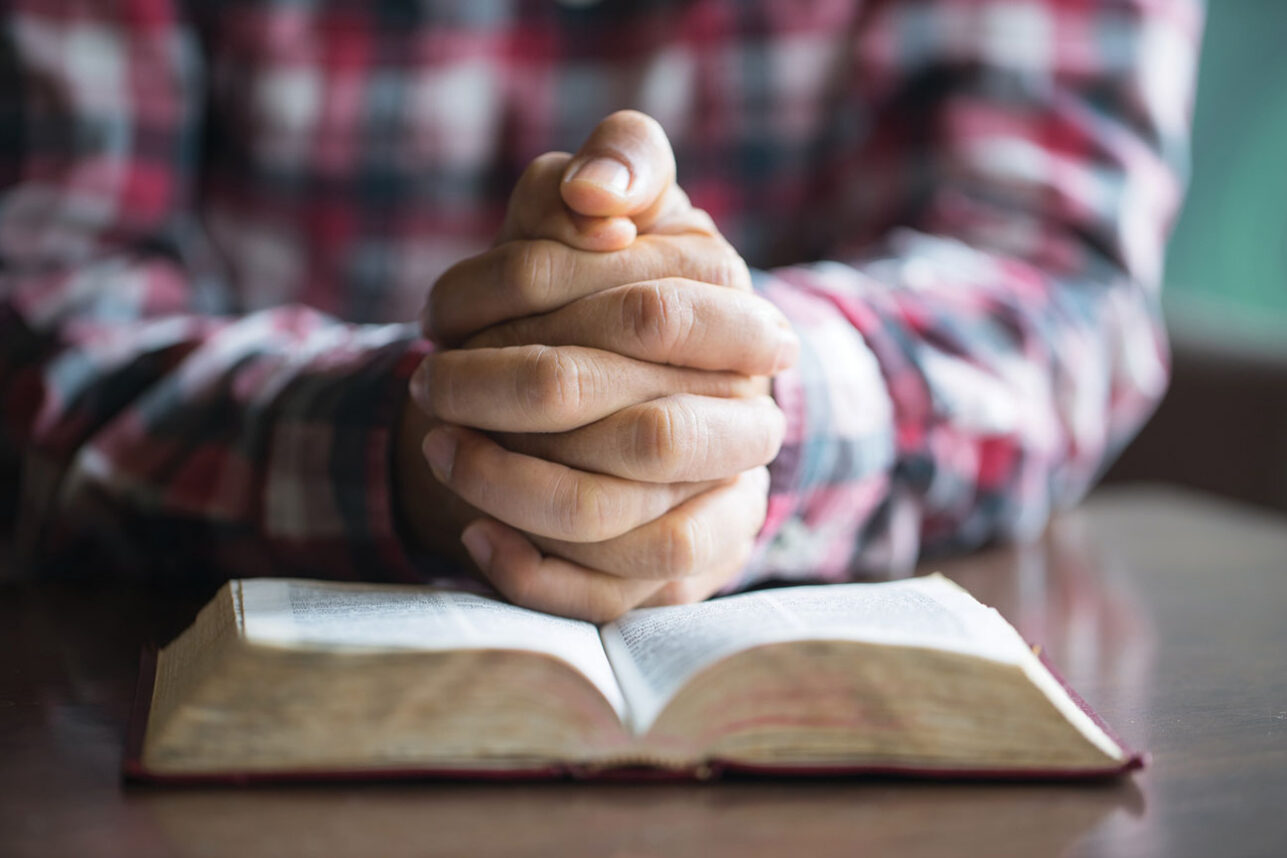
I’ve never been able to pray, whatever that is. I remember trying to back when I was a kid in church but always kept hearing TV theme songs in my head.
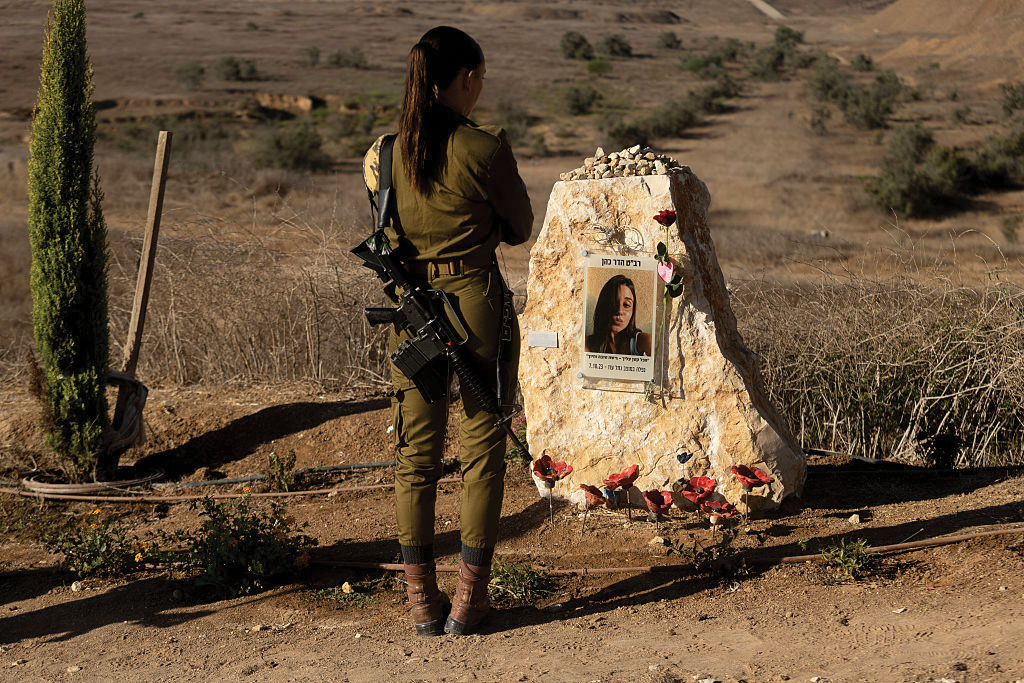
Such confusion and frustration three years later is logical.