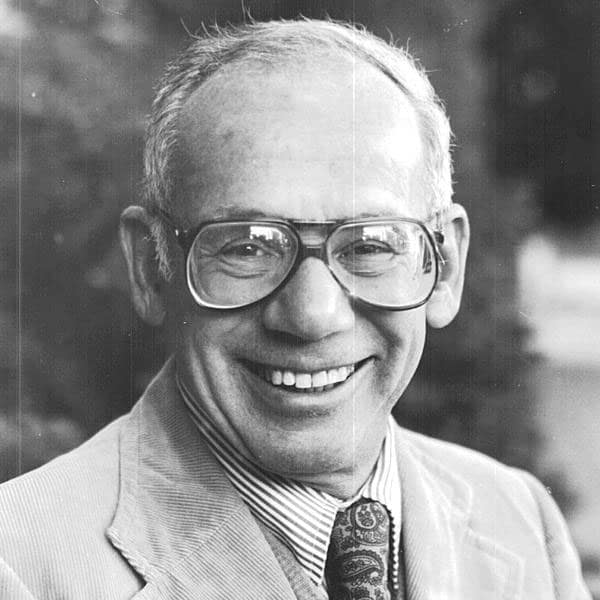
Neil Simon has always laced his plays with aspects of hisown life and, at age 75, he takes on mortality — specifically the mortality ofa creative writer — in “Rose and Walsh.”
In the world premiere of his 33rd play, now at the GeffenPlayhouse in Westwood, Simon examines death, and if the subject might not behilarious at first blush, trust Simon to make the shuffling off the mortal coilan entertaining experience.
The title characters are Rose Steiner, a legendary writer,winner of two Pulitzer Prizes and a self-described “Jewess from Atlanta”(that’s the play’s only Jewish reference, so it’s better to get it in upfront), and Walsh McLaren, a “Mick from Hoboken” and the master of thehard-boiled mystery novel.
The pair has been stormy and profligate lovers and politicalleftists for decades, and if that description brings to mind Lillian Hellmanand Dashiel Hammett, you’re in the right ballpark. (Hellman, who died in 1984,is currently also recreated on Broadway in “Imaginary Friends,” focusing on herbitter rivalry with writer Mary McCarthy.)
There is one damper on their relationship: the fact thatWalsh died five years ago, but continues to visit Rose, in her mind and at herEast Hampton cottage; a more acerbic ghost would be hard to find, even in thevicinity of New York.
Rose, in her mid-60s, is suffering from a massive case offailing creative juices, eyesight and bank balance, but Walsh, during hisfrequent nocturnal visits, suggests a remedy, at least for the last problem.
Dust off a manuscript left unfinished at his death, writethe last 40 pages, and make a killing in the book market.
Rose can’t do the job herself, but Walsh suggests Clancy, adeservedly obscure, one-book author (“Die in Pieces”) as the — ahem — ghostwriter.
Rounding out the quartet is Rose’s young companion, Arlene,who has her own unfinished confrontation with Rose, and if you think that thereserved Arlene and the uncouth Casey are going to fall in love, score one foryour perceptiveness.
“Rose and Walsh” is not prime Simon (and he must be sick andtired of hearing that comparison). The play’s beginning is rather slow, theending a bit soggy, and, given that Simon kept rewriting scenes up to curtaintime, the actors stumble occasionally.
That said, Simon not in top form is probably still the bestAmerican playwright-craftsman around. He handles so devastating an experienceas the loss of a cherished lifetime companion with empathy and considerablewit, and applies the same qualities to a mother-daughter relationship and, ofcourse, the tribulations of a blocked writer.
While the play is hardly a sidesplitter, there are some finecomedic bits in the fractured conversation between Rose and Walsh, while Clancyand Arlene can neither hear nor see the ghost.
In the single funniest scene, Walsh reports on the weddingup yonder of Charles Dickens, with a full complement of 19th century novelistsin attendance.
Credit foremost the work of two of our most skillful senioractors, Jane Alexander as Rose and Len Cariou as Walsh, playing off each otherlike Serena and Venus Williams in a doubles match. That’s tough competition forMarin Hinkle as Arlene and David Aaron Baker as Clancy, but they more than holdtheir own, under the direction of David Esbjornson.
“Rose and Walsh” runs through March 22 at the GeffenPlayhouse, 10866 Le Conte Ave., Westwood. For tickets, call (310) 208-5454, orvisit www.geffenplayhouse.com .