As I recently walked my dog on Hollywood Boulevard one morning, two young men approached me, not wearing masks. I worried. Then I gestured to my mask-covered face, hoping they would get the idea. One guy shook his head “no.” I darted across the street to avoid possibly being exposed to COVID-19, but what about next time?
Were these gentlemen too self-absorbed to care, or had they simply not heard about the mayor’s new order requiring all Angelenos to wear facial coverings outside their homes?
While driving on the 405 Freeway, I saw signs advising Angelenos to “Remember to practice social distancing” and “Remember to wash your hands.” But one sign was notably absent: “Remember to wear a face covering.”
Many around the city share my frustration with people not complying with the mayor’s order. As we struggle to understand the dissent of non-mask wearers, or occasionally lash out at them in anger, I believe we must seek creative solutions to the problem.
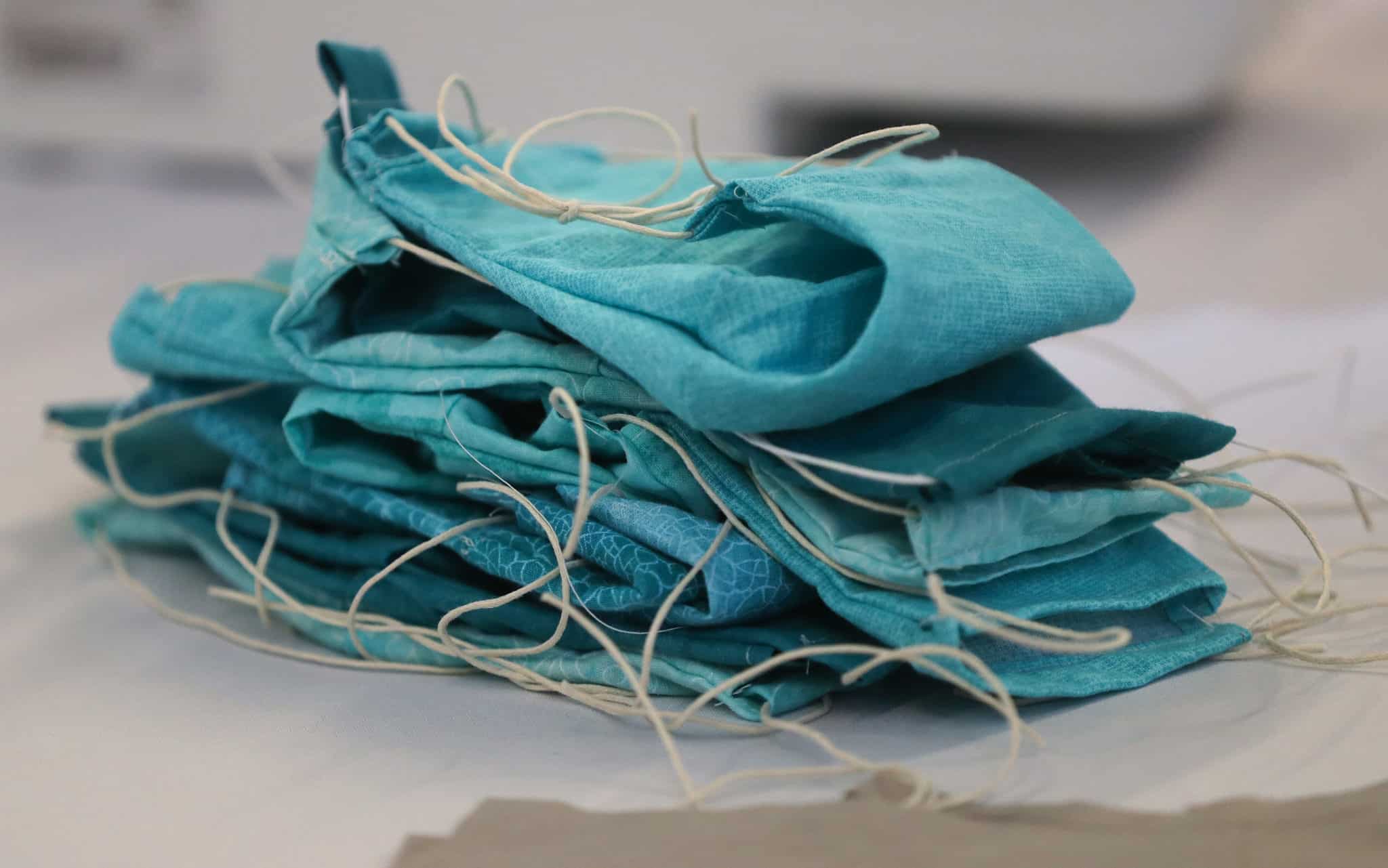
Some people may need tickets and fines to be convinced, but others might merely be unaware. If this sounds like the four children at the Passover seder, perhaps re-reading the Haggadah can inspire us to find ways to educate with compassion and creativity, using the powerful tools of technology and brainpower. Wearing masks is new for most Americans. We enjoy the freedom to dress and speak as we like. We are not used to donning masks to avoid the spread of illnesses.
But the reality is that washing commonly touched surfaces cuts down on the spread of the coronavirus. Wearing masks is crucial for public safety, especially as we reopen our economy. One can avoid touching items and carry sanitizer, but we must breathe.
We must keep the entire city in our hearts and minds to combat COVID-19 successfully and pave the way for a brighter future for our beloved city.
Los Angeles County’s population of approximately 10 million is larger than New York City’s or Hong Kong’s. Wearing masks may go against our individualist grain, but it certainly would help many stay alive, and would keep those who venture out of their homes safer.
Los Angeles endures unprecedented loss of lives and livelihood. Sadly, the pandemic stubbornly persists. As retail shops reopen, life resumes — but at what cost? If we wish to help our city get back on its feet, stand proud and strong, and not tumble again in the near future, we need to ensure every person follows best practices.
As a former elementary and high school teacher, I believe strongly in education. I also believe we Jews cannot idly stand by. We can find ways to educate the public because one-to-one battles are dangerous, exhausting and inefficient. We have laws, but don’t want cops on every corner.
The other day, I walked by three people with masks on their chins. As I approached wearing my mask, they pulled on theirs. In this instance, my individual example worked, but reached only three people. This message needs to be shouted from the rooftops. Our synagogues could schedule Zoom meetings to brainstorm. We could create apps, hire creatives, use nonprofits, volunteers and even college students at home for the summer.
We must keep the entire city in our hearts and minds to combat COVID-19 successfully and pave the way for a brighter future for our beloved city. As we head back to the beach, and to our beloved synagogues — although we don’t know how that will work yet — let us keep in mind the parts of the city where the disease is still running wild. Eighty-six percent of people who tested positive in nursing homes had no symptoms. The only way to stop this deadly virus from spreading is for everyone to wear masks. We still need to work out how to chant Torah with masks on, but I am sure it can be done!
The sky’s the limit to what we can accomplish when we work together. Communication is an art. Let us become angels for our City of Angels and help Angelenos through this crisis.
Deborah Fletcher Blum is a Hollywood-based writer and documentary filmmaker.