I tell you this
to break your heart;
by which I mean only
that it break open and never close again
to the rest of the world.
– From Lead, by Mary Oliver
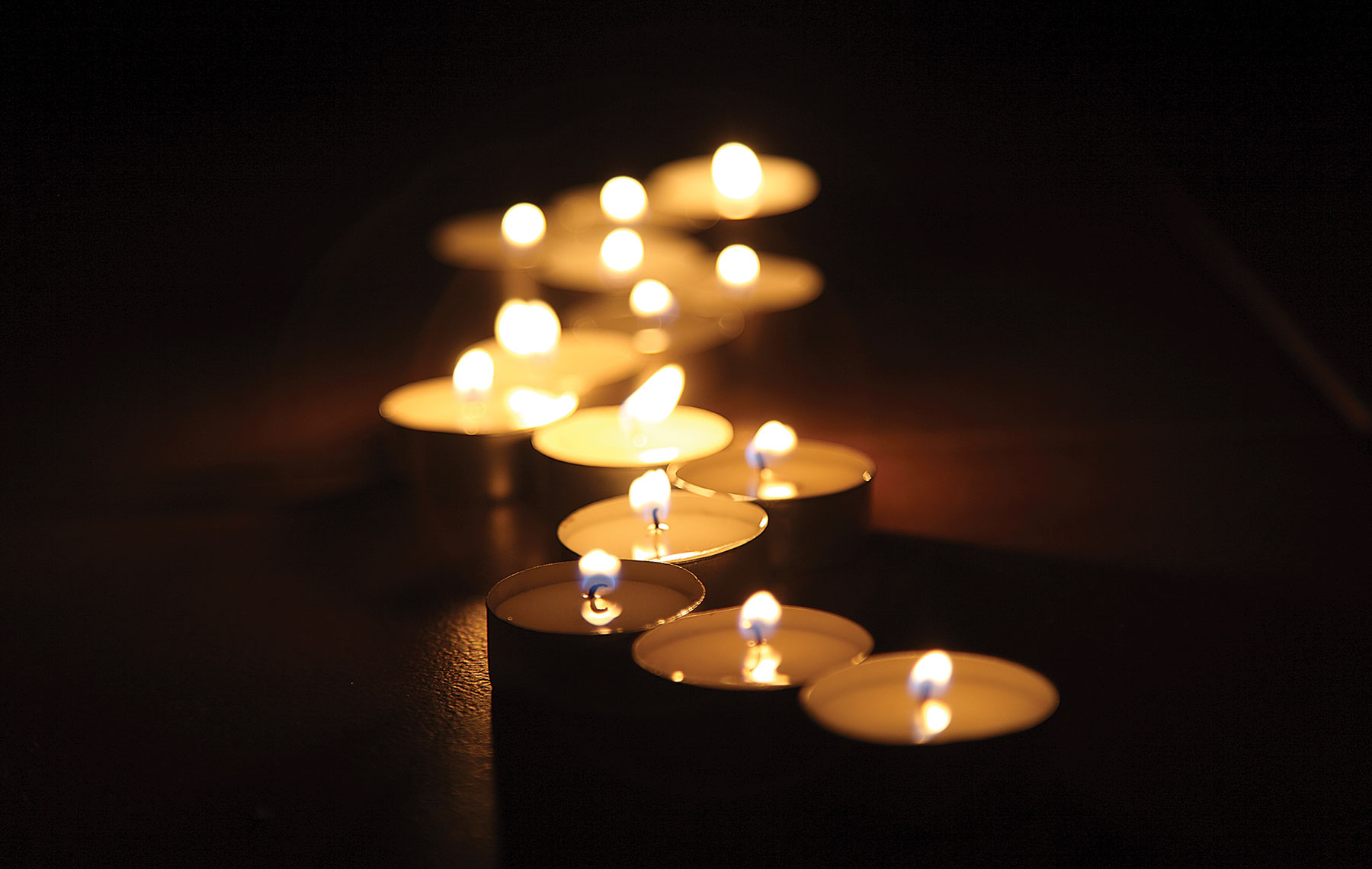
In the last few weeks, I have gathered with community at virtual shivah-making super-sized minyans. We perch before our screens and send hearts and messages of condolence and comfort. We support our community as it mourns: a father at the end of a long battle with dementia, a beloved husband and the weekly recitations of Kaddish for those who were lost before the coronavirus war began.
Surgeon General Jerome Adams shares bracing language and it floats in the air like the virus you cannot see and want to dodge, duck your head like a tall person through a small door with jagged broken glass edges, moving quickly and holding your breath, praying silently to remain unharmed.
The surgeon general says: “This week is going to be the hardest and the saddest week of most American’s lives.” The enormity is impossible to understand as the rain patters on my roof and the house is warm and the pantry is stocked with canned goods and matzo.
Doctors and thinkers on grief and mourning have explored the ways that family pets prepare children to understand death and the agony of grief. Today, I am more prepared than yesterday, even at almost 58, no longer a child, I still have more to learn about life’s hardest lesson. Our family’s beloved pup, sweet Dew, little Dew, little man, the dewster, Dew Boy D, sweetest boy with the long eyelashes and soulful gaze died yesterday in my arms in a small “family room” at the animal hospital in Culver City, in his own bed I brought from home, with his favorite toy as a pillow, wrapped in a shredded olive cashmere blanket that has been in our family for 20 years.
It’s a blanket that swaddled the young and not-so-young on our couch in two homes, while reading, watching movies, talking, day-dreaming and napping. I held him as best I could in my plastic gloves and my cotton gown and talked lovingly through my mask. Across the room the doctor administered his mercy. And then his pain was no more and his little soul left the building leaving only his warm silky body in eternal slumber on my lap.
The doctor said I could stay as long as I wished and I did. Gazing lovingly, weeping, saying good-bye, reminding myself that this was real. Accepting. Loving. Mourning. Grieving.
For weeks, several images have haunted my dreams. Who that I love dearly could fall in this coronavirus war? And if it were I, would my affairs be prepared so that I leave no messes behind.The answer is no. And last, perhaps the worst, is how is it possible for people to die alone? I have always rejected the idea that we’re born alone and we die alone. But now it is clear to me you die alone is true in war and in crisis and in disaster and in chaos.
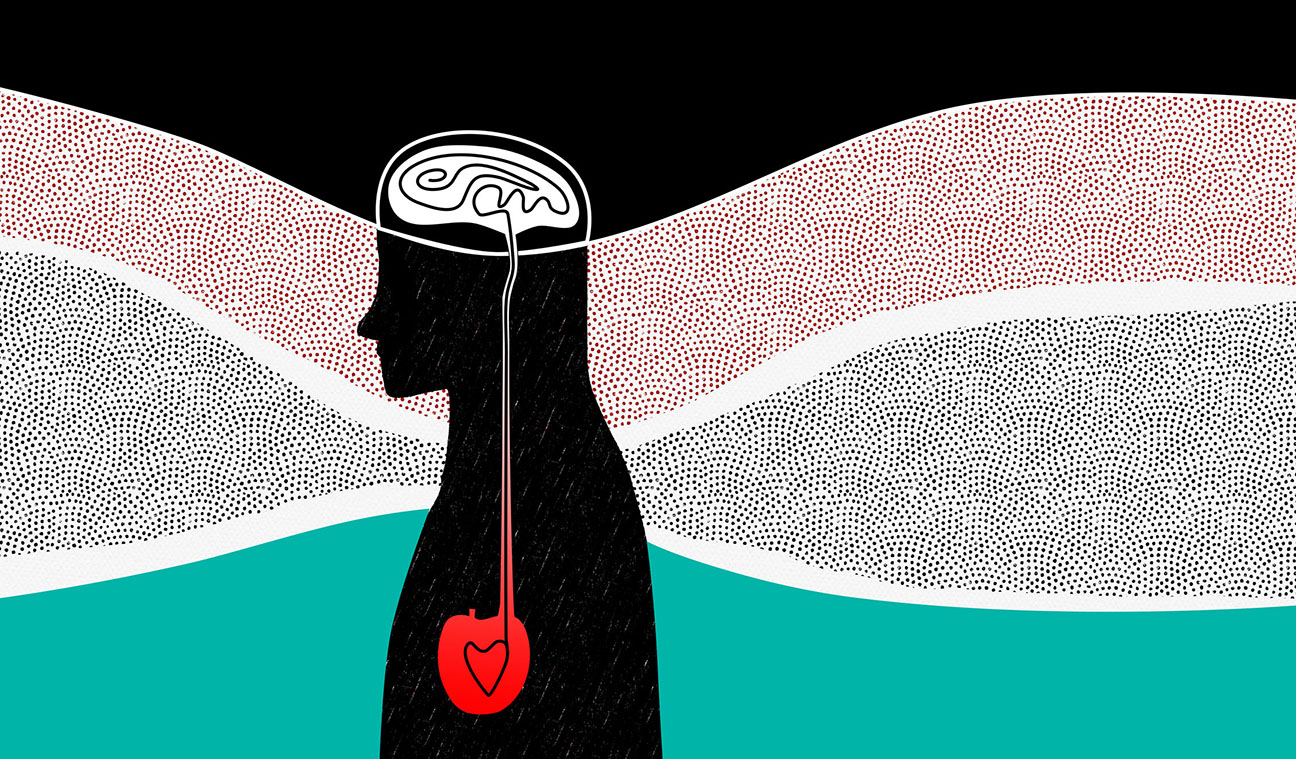
The coronavirus war is here and we are asked to brace ourselves. The Buddhists say “the only way out is through.” Having lost my sweet 13-year-old dog, I have re-learned something I have known in every dark tunnel only to develop amnesia when I come out the other side to the light: the only thing that never dies is love.
While we can, let us give that love away. Let us share it with precautions but not cautiously, this week. May we wrap this country and one another in acts of compassion, generosity, kindness and selflessness. May the week of death receive some pushback from us all.
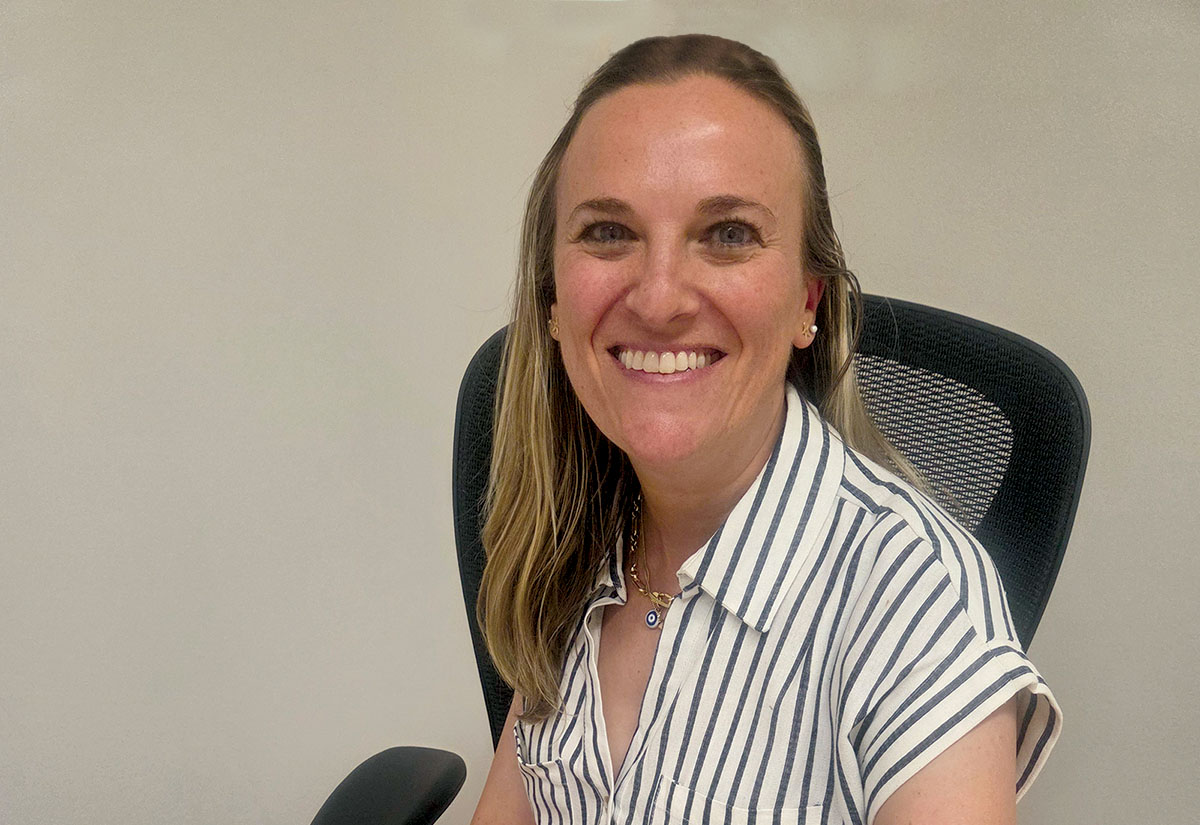
Samara Hutman is the director of Remember Us: The Holocaust B’nai Mitzvah Project.