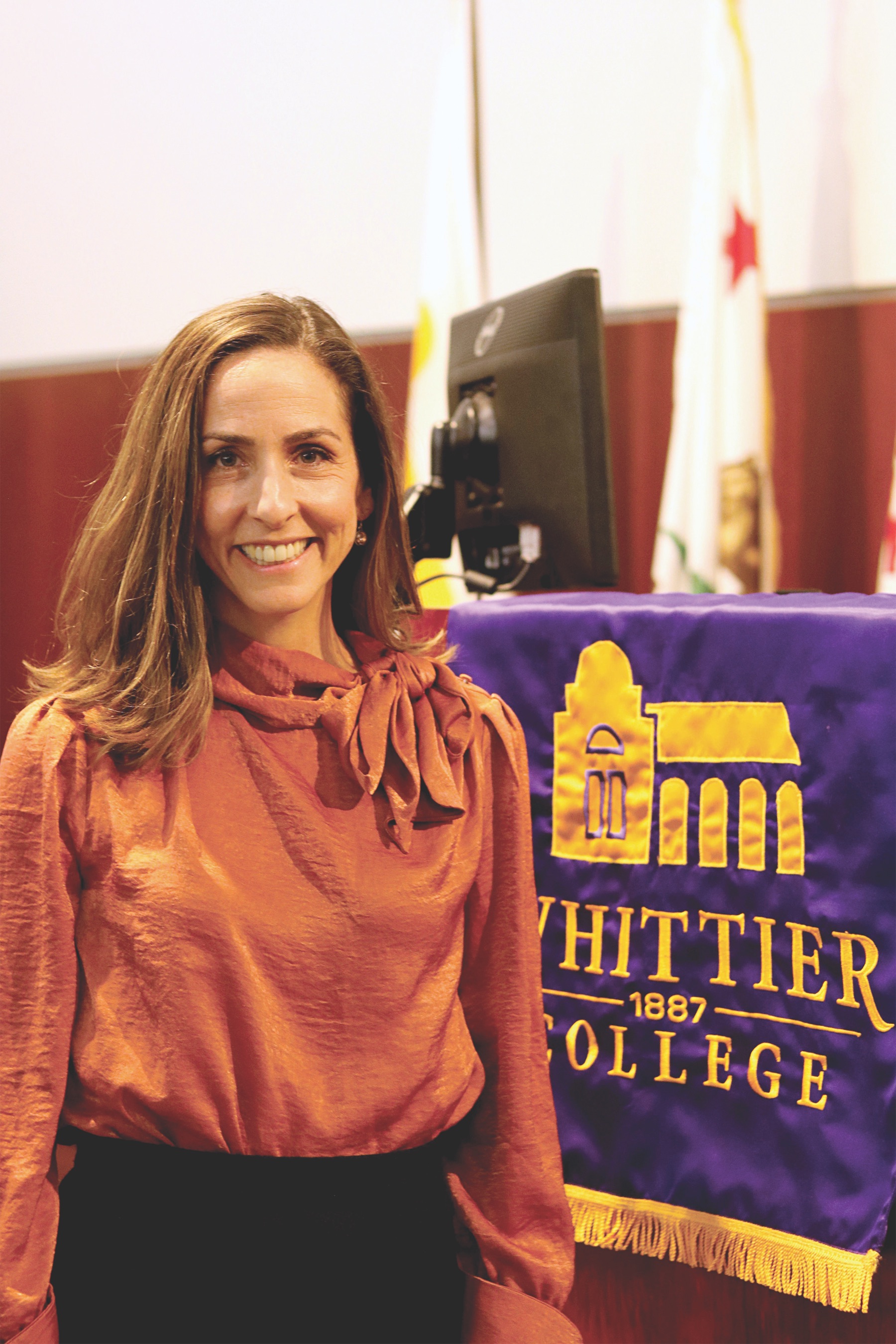
Joanna Mendelson is the senior investigative researcher and director of special projects for the Anti-Defamation League’s Center on Extremism. In her 17th year with the ADL, she provides expertise, analysis and training that enable law enforcement, public officials and community leaders to identify and counter emerging extremist threats.
JJ: What is the likelihood that the fast-expanding white supremacist movement will be stemmed in the near term?
Joanna Mendelson: Parts of the white supremacist movement — notably the alt right—are rapidly expanding. We should take comfort in the fact other segments are not doing so well. Traditional white supremacists, such as Ku Klux Klan groups, have been declining for years. More recently, racist skinheads have been stagnant, perhaps starting to decline.
JJ: What has changed in America in the past 20 years to make these onetime outcasts visible and almost acceptable?
JM: Although it is difficult to measure secretive extremist movements, white supremacists, as in recent decades, have been nowhere near as numerous — or as accepted — as they were during the civil rights movement or before it. What has changed: Largely due to the internet, white supremacists are more connected to each other and more visible. Online propaganda can help radicalize individuals.
“White supremacists, as in recent decades, have been nowhere near as numerous — or as accepted — as they were during the civil rights movement or before it.” — Joanna Mendelson
JJ: When there is a mass killing, some authorities say don’t publicize the names. Would white supremacists retreat if their marches were not covered?
JM: No doubt white supremacists try to take advantage of any media sunshine that can magnify their cause and real-world actions. Many things extremists do are newsworthy. The community needs to be informed to respond appropriately. Coverage must be a delicate balance between arming us with information but not giving them a greater platform to preach hate.
JJ: What is the main cause of white supremacy?
JM: There is no one cause. There are a lot of paths to radicalization. We find common themes of perceived alienation, victimization and scapegoating of others for sundry woes. They perceive themselves as minorities, creating an “us vs. them” paradigm. Others want to belong to something. Some are brought into the movement by more dominant personalities.
JJ: Do they require funding?
JM: White supremacists have costs associated with purveying hate — equipment (official uniforms or accessories, including tattoos, clothing, paraphernalia and weaponry); event organization and travel; internet and print propaganda expenses; merchandise purchasing; legal defense; and even staff/labor costs.
JJ: Who are the people financially supporting them?
JM: The white supremacist movement is poorly funded. A general assumption, fueled by rumors, holds that white supremacists raise a substantial amount from the Russian government, conservative foundations or secretive benefactors. This rarely happens. White supremacists scrape together a small amount from people already in the movement.
One very rare current wealthy donor is William H. Regnery II, a member of the well-known conservative publishing family. He developed extreme right and white supremacist views by the 1990s.
JJ: What kind of women are drawn to the white supremacy movement?
JM: The “14 Words” is a reference to the most popular white supremacist slogan, signifying “We must secure the existence of our people and a future for white children.” Women are a significant part of the equation in their role to help procure future generations of white people.
JJ: Would the white supremacists of the old days recognize latter-day supremacists?
JM: Prior to and during the civil rights movement, most white supremacists would say they stood for preserving the dominance of the white race in America. After losing the war to deny civil rights to minorities, their ideology has evolved. They claim they are fighting for the very survival of the white race, fighting against a “rising tide of color” controlled and manipulated by Jews.
More recently, white supremacists try to cloak ideology in terms more palatable to a modern audience, “culture” for “race,” “western civilization” for identity.
JJ: What drew you to this field?
JM: I was always drawn to social justice work. My family traditions were deeply steeped in values of social equity, healing and righteousness. My zayde, who passed away recently, epitomized a life of virtue and goodness. He believed in the decency of people. In this vein, I persevere, to shine a light on darkness.