US
Robert Kaplan believes that “Marco Polo’s world” is making a return and muses on how the US should respond:
Of course, we must maintain robust land forces for the sake of unpredictable contingencies, and also to demonstrate clearly that we always reserve the right to intervene – even if we don’t, or shouldn’t. The fact is, a robust land force in and of itself affects the power calculations of our adversaries to our advantage. This may seem like a prohibitively expensive insurance policy, but the cost of not maintaining deployable land forces would be far greater in terms of the temptations offered to expansionist, autocratic states such as Russia, China, and Iran, especially as they internally weaken and consequently employ nationalism as a solidifying force.
According to Michael Gerson, the real test of America’s tolerance for Trump comes now:
It is dangerous to have a leader with disdain for the law. It is also dangerous to have a leader who believes that anything legal is permissible. Trump’s firing of Comey was legal. It also violated a democratic norm — a proper presidential deference for an ongoing investigation and the independence of law enforcement. There is no evidence that such considerations even occur to Trump. In their place: What kind of sucker would not press all his advantages?
Israel
Ron Kampeas eulogizes Israel’s long-running public TV newscast, which died a sad death this week:
For many Israelis, Channel 1 was like army reserves duty: It was a necessary evil you were supposed to tolerate, something OK to hate. But secretly, you occasionally longed for it, the way you longed for the surprising joys of watery yogurt and hard-boiled eggs. Channel 1 offered camaraderie and, above all, purpose.
Channel 1, like the 40 days a year you spent in fatigues, surrounded you with less beautiful but reassuringly familiar faces who shared a mission: making Israel a better and more secure place.
Mazal Mualem examines the anxiety in the Israeli right ahead of Trump’s upcoming visit:
As he has been doing since he returned to the prime minister’s office in 2009, the year he gave his landmark Bar-Ilan speech declaring support for the idea of two states, Netanyahu will try to navigate the various pressures that will be brought to bear. He will display willingness to conduct negotiations, as he has done in recent days, as well as try to stall. A critical unknown in this situation is how impatient Trump will be in the face of such stalling. If Netanyahu knew the answer, he would be far more relaxed.
Middle East
George Friedman and Jacob Shapiro write about the debate between the US and Turkey on how to take on ISIS:
Erdoğan does not want to go into the heart of the Syrian Desert to fight IS any more than the US does. Turkey has dipped its toes into the fighting in Syria but marching to Raqqa is a great deal more challenging.
Turkey is using its strategic position and the reputation of its military to try to exact concessions from the US and to manage its relationship with Russia. The great powers are playing chess. But only the pawns are in play right now.
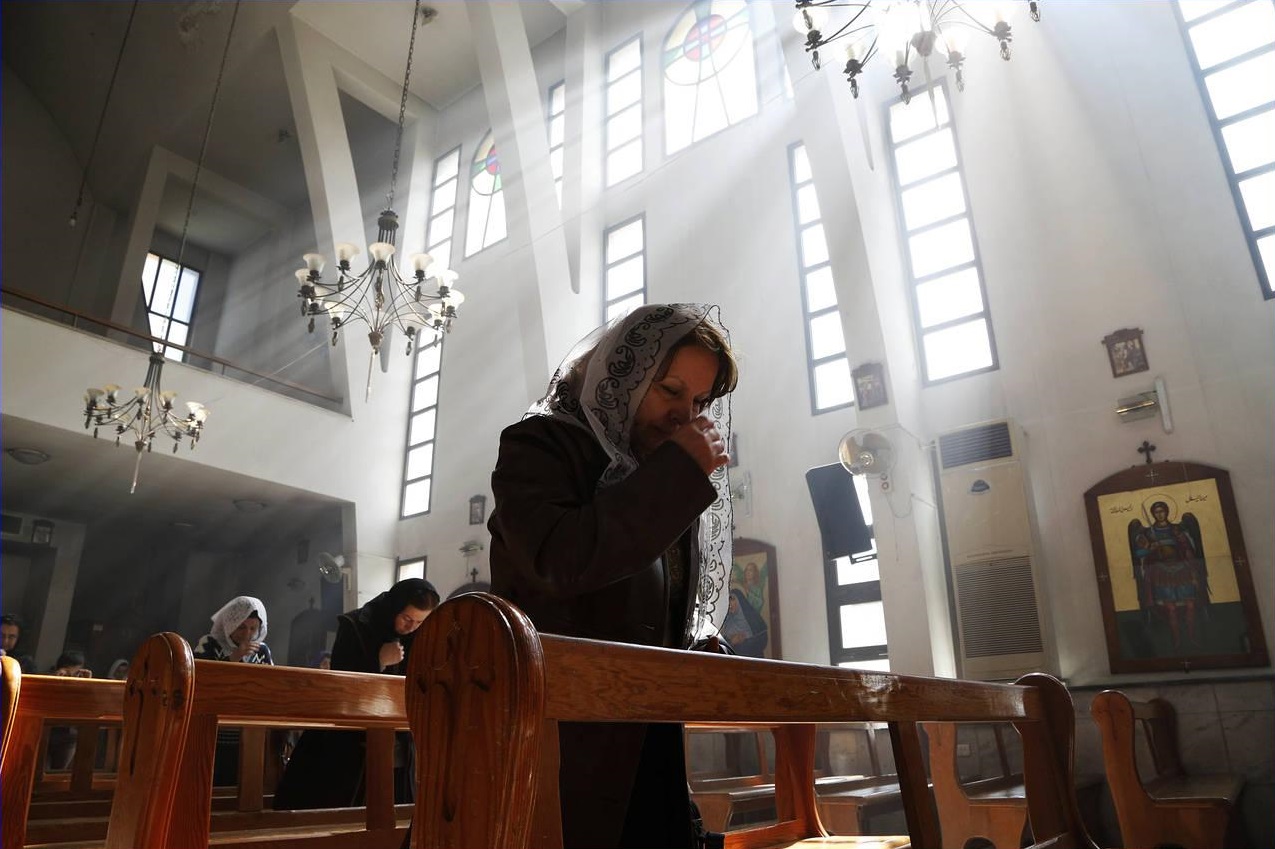
Maria Abi-Habib takes a look at the Middle East’s dwindling Christian population, who are fleeing the region:
By 2025, Christians are expected to represent just over 3% of the Mideast’s population, down from 4.2% in 2010, according to Todd Johnson, director of the Center for the Study of Global Christianity at Gordon-Conwell Theological Seminary in Hamilton, Mass. A century before, in 1910, the figure was 13.6%. The accelerating decline stems mostly from emigration, Mr. Johnson says, though higher Muslim birthrates also contribute.
Jewish Journal
Mosaic Magazine’s May Essay is Daniel Gordis’ analysis of the growing indifference many American Jews feel toward Israel (look out for the response essays):
But let us not delude ourselves. Barring a radical change in their political, cultural, and moral dispositions, sizable proportions of American Jews will continue to bristle not only at what Israel does but at what, to their minds, Israel represents and is. For at least as far as the eye can see, this self-administered exercise in detachment and moral disarmament, with all of its larger implications for Jewish cohesion as well as for American foreign policy in the Middle East, is likely to spread and to deepen.
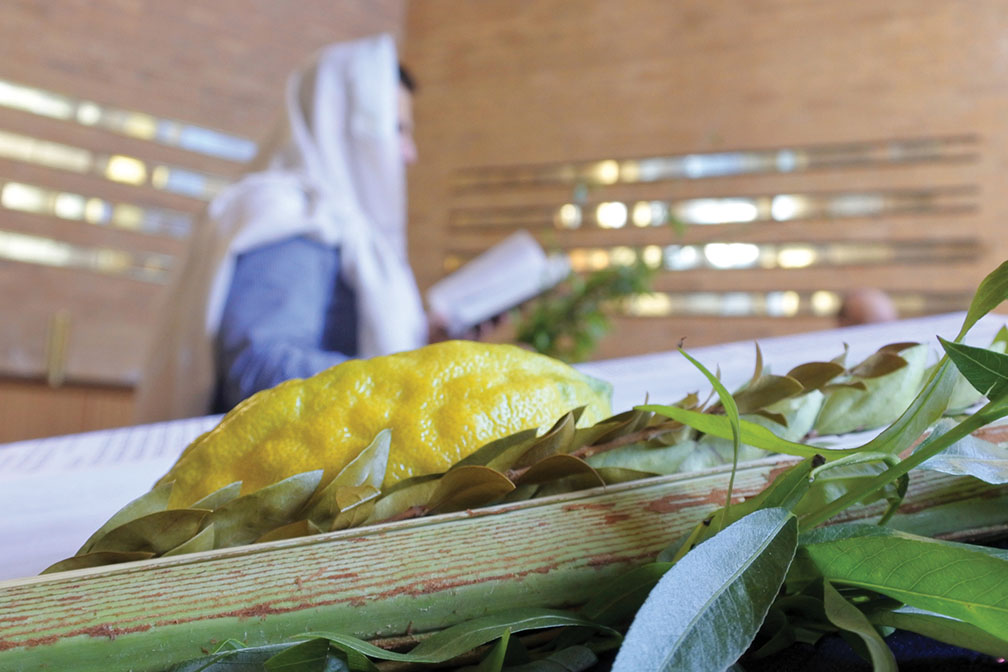
Liel Leibovitz reviews a charming Israeli film about synagogue life:
As so many of us are locked in internecine struggles engulfing just about every aspect of Jewish communal life, we should let the women on the balcony lead us back together and back to sanity. This film’s important: Go see it, and then march down the street to a shul or a university or a community center near you and invite some Jew whose opinions you loathe to do the same thing. It may not bring about the Third Temple, but it’s surely more inspired than the usual shouting.