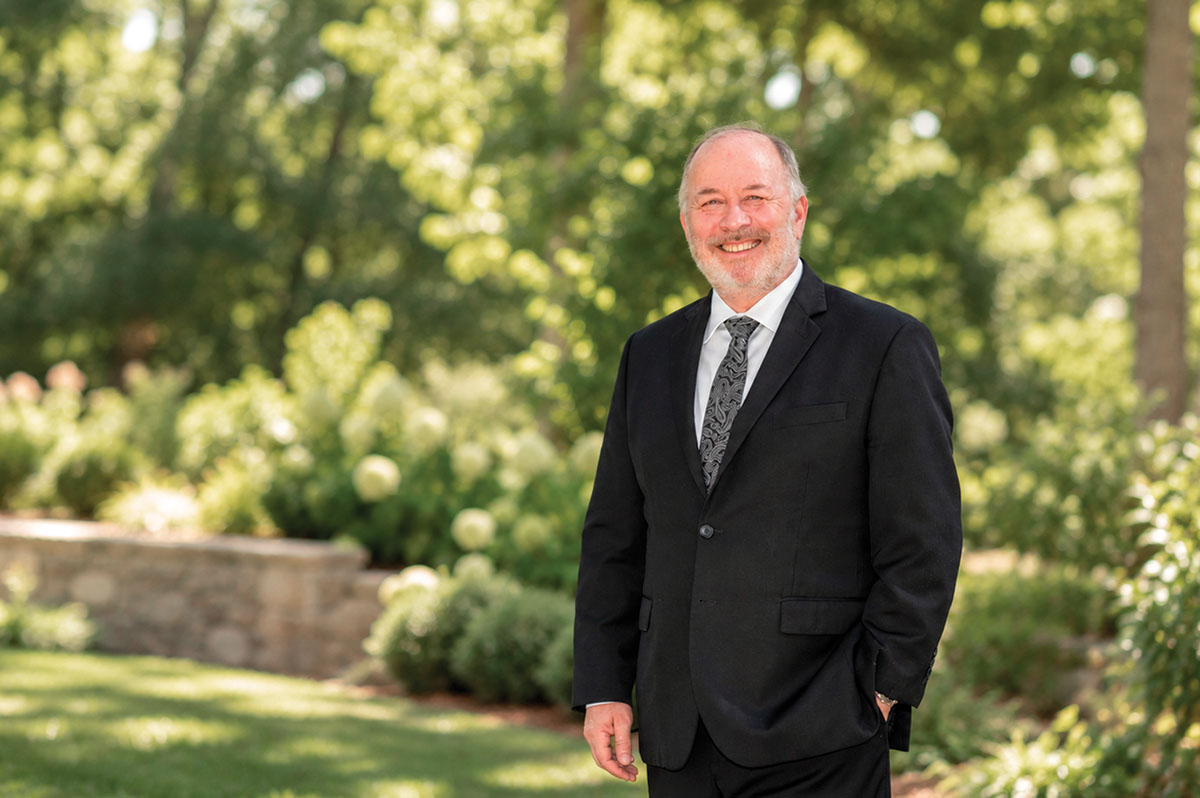
Brad Sherman, a Jewish Los Angeles Congressman and the second-ranking Democrat on the House Foreign Affairs Committee, announced Friday that he plans to oppose the Iran nuclear deal. Sherman represents much of the largely Jewish San Fernando Valley and is widely known as a strong supporter of Israel.
“This Agreement is the Good, the Bad and the Ugly,” Sherman said in a statement issued by his congressional office on Friday, Aug. 7. “I might be willing to accept the good with the bad during the first year of the Agreement. But we must force modifications of the Agreement, and extensions of its nuclear restrictions, before it gets ugly. My efforts have one purpose: Make it clear that future Presidents and Congresses are not bound by this Agreement—not legally, not morally, not diplomatically.”
Sherman said he will vote in favor of a disapproval resolution introduced by California Congressman Ed Royce. The deadline for Congress to vote on the deal is Sept. 17, soon after it returns from its summer recess.
Sherman’s announcement arrived one day after New York Sen. Chuck Schumer, the third-ranking Democrat in the Senate, and Representative Eliot Engel, the ranking Democrat on the House Foreign Affairs Committee, each announced opposition to the deal—further splitting Jewish Democrats in congress. Sherman is the ninth House Democrat to announce opposition to the deal.
Supporting the deal are Los Angeles Congressman Adam Schiff and Michigan Congressman Sander M. Levin—the latter is the longest serving Jewish member in the House.
Opponents still have a long way to go to thwart the deal. Although nearly all Republicans have announced opposition to the agreement, many Democrats have not yet declared how they will vote. Opponents must first gather 60 votes in the Senate to overcome a filibuster by the deal’s supporters and then pass a resolution in opposition. If they overcome that hurdle, President Barack Obama has said he will veto the measure, leaving the deal’s opponents needing a two-thirds majority in both houses of Congress to override the veto.
“The Bad,” Sherman said, is a provision allowing Iran access to billions of dollars in funds currently frozen by sanctions, “and free access to the international oil markets.”
The ugly, he said, is that within 15 years Iran will be permitted “to have an unlimited quantity of centrifuges of unlimited quality, as well as heavy water reactors and reprocessing facilities.”
In recent days, Sherman has met extensively with the president, as well as Secretary of State John Kerry, Energy Secretary Ernest J. Moniz and negotiators in Vienna, plus numerous members of the intelligence community.
In announcing his decision, Sherman praised President Obama and his administration for their efforts “to address the threat of Iran’s nuclear weapons program.”
“This president has worked far harder, taken more diplomatic and political risks, and accomplished far more than the previous administration,” wrote Sherman, who has introduced and supported legislation imposing sanctions on Iran since 1997.
“We cannot ignore Iran’s support for the brutally murderous regime in Syria that is killing thousands of people every month,” he said. “Nor can we ignore their support for terrorist groups such as Hezbollah, and Hamas and the Houthi rebels. Nor can we forget about the four American hostages Iran is holding.”
Sherman promised to introduce new sanctions on Iran next month targeting this “non-nuclear behavior.”