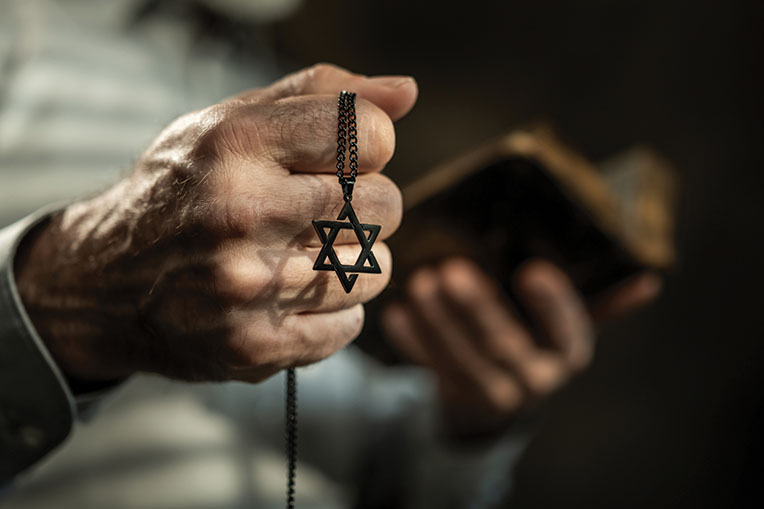
I wonder what our prayers sound like to God during these Days of Awe. As the earth spins on its axis and Jews across the globe gather together to worship, I imagine that God hears our longings as a symphony – each soul a note, singular, exceptional, and essential to the whole. Our hearts, the instruments; our words, music to God’s ears.
When the shofar sounds and our voices float heavenward, we give great reflection to, among other things, the power of something uniquely human: the power of speech. We ask for forgiveness for mistakes that originate as often from our lips as from our deeds. We repent for words that are negative, meaningless, traitorous, foolish, vulgar, and deceitful, for we understand the eternal truth in King Solomon’s observation, “Life and death are in the hands of the tongue” [Proverbs 18:21]
The very idea of prayer, however, recognizes the power of speech not just to harm, but to uplift and transform. We uplift and transform ourselves with prayer, each other with kind words, and the world through art.
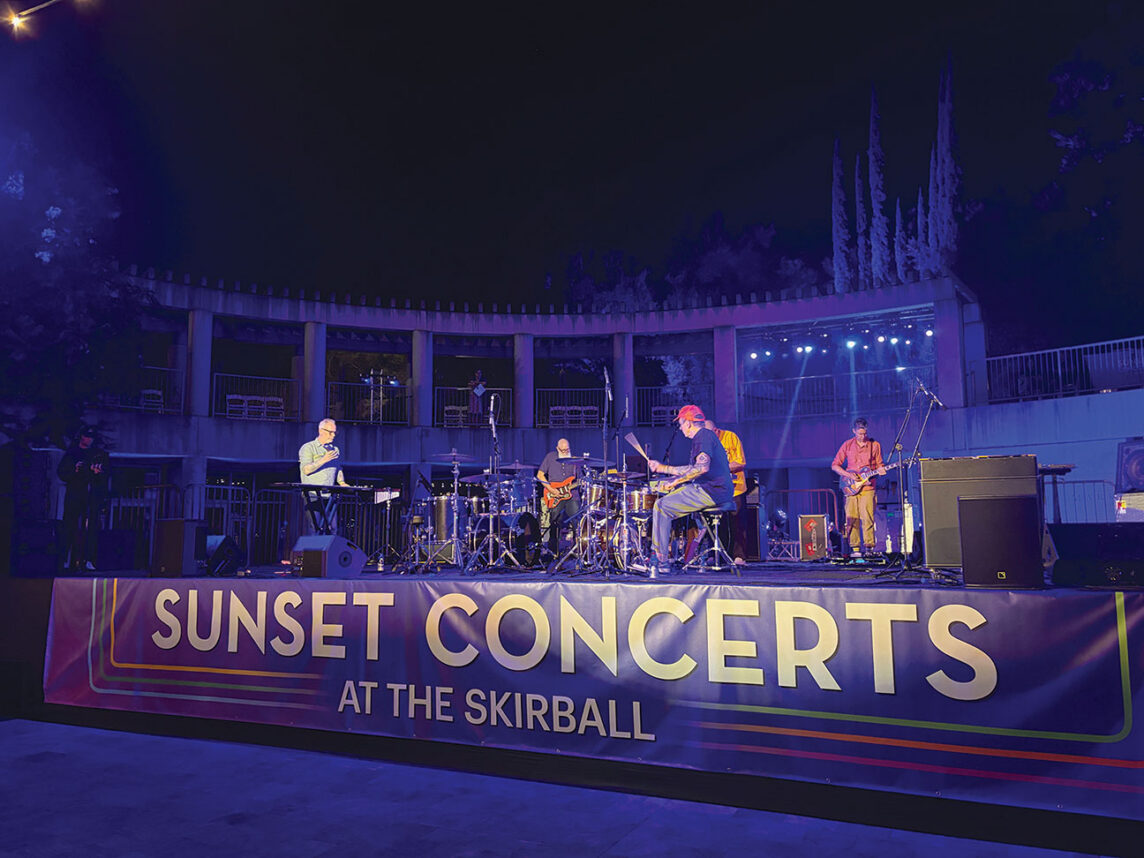
Art, the universal language, touches us all; atheist and Orthodox, Christian, Muslim, and Jew. It is both earthly and divine; the gift of creation from the Creator.
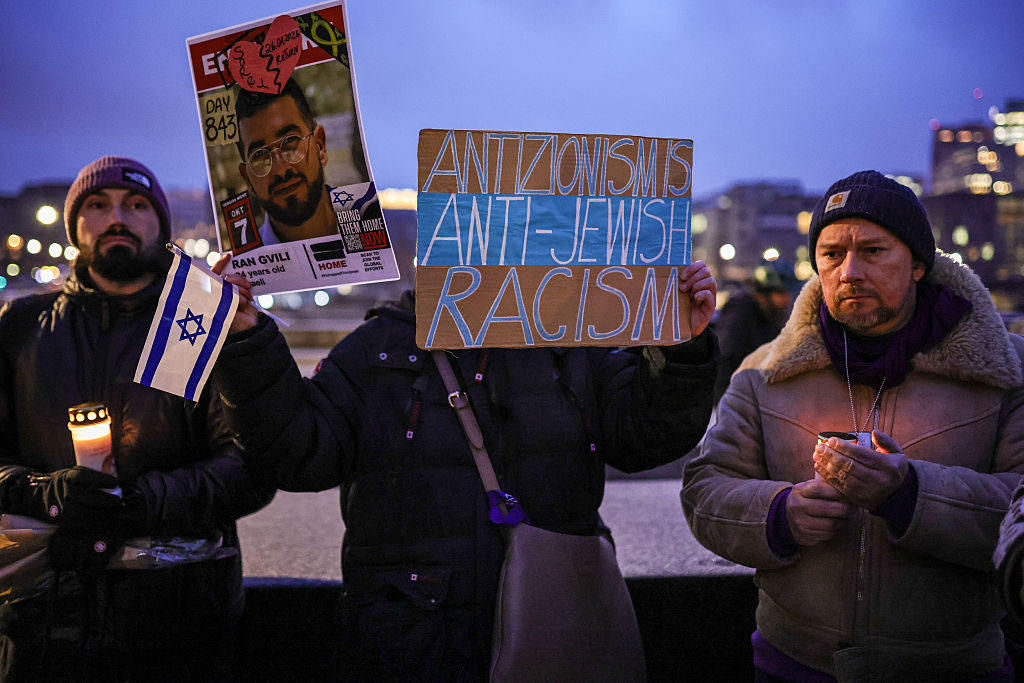
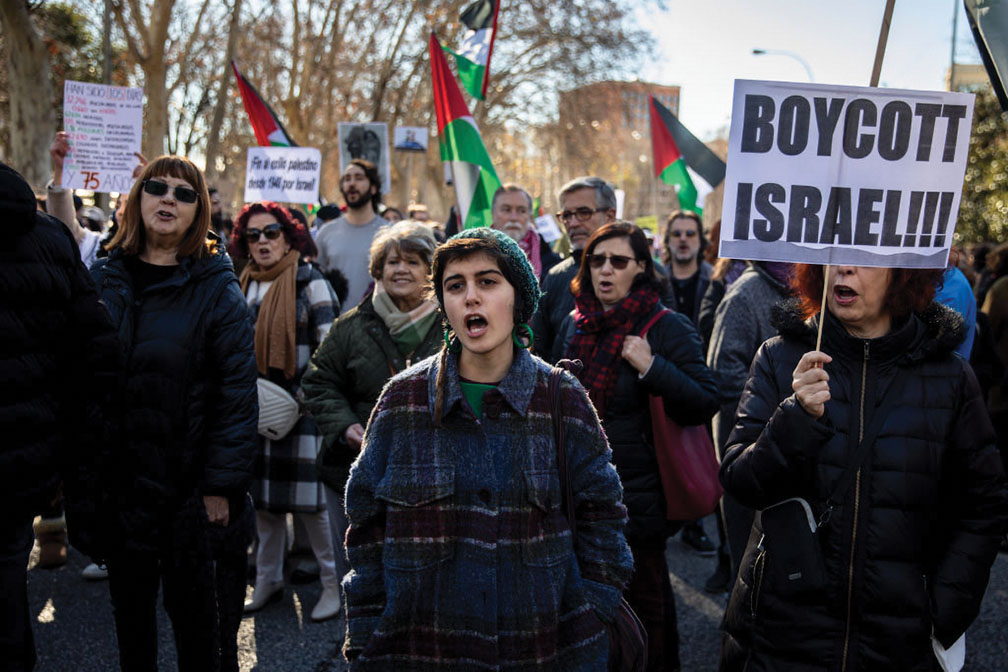
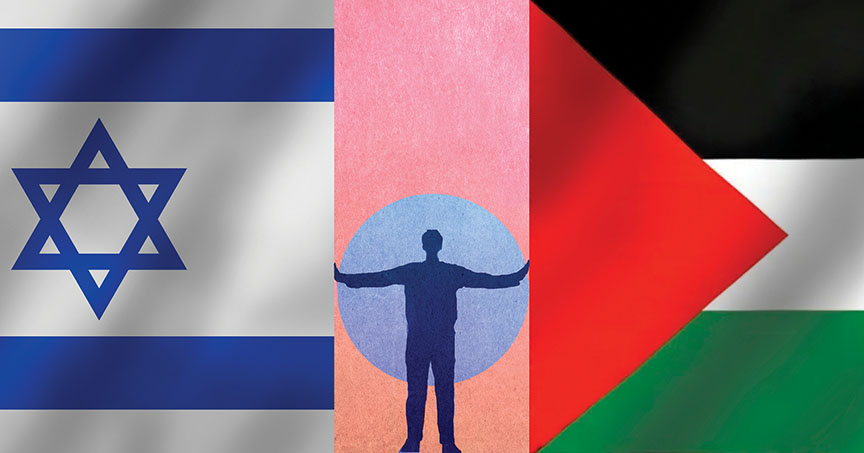
Tragically, today, art is under siege. With the cultural Boycott, Divestment, and Sanctions (BDS) effort against Israel, politically motivated organizations and individuals in free western societies are using censorship as a strategy to advance their agenda.
Proponents of the cultural boycott want to prevent international audiences from experiencing Israeli art and want to cut the flow of world art going into Israel. They want to bar films from festivals, silence instruments, and take canvases off walls.
The risk posed to mankind goes far beyond Israel’s borders or the lineage of the Jewish people. Boycott proponentshave orchestrated a social media and on-the-ground campaign of intimidation that, left unchecked, poses an existential threat to the freedom of artistic expression.
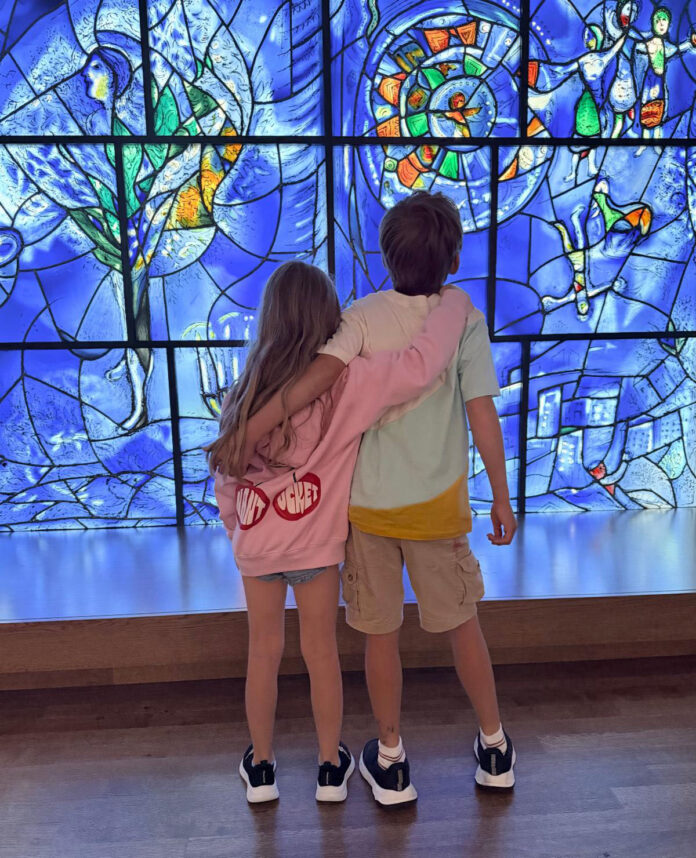
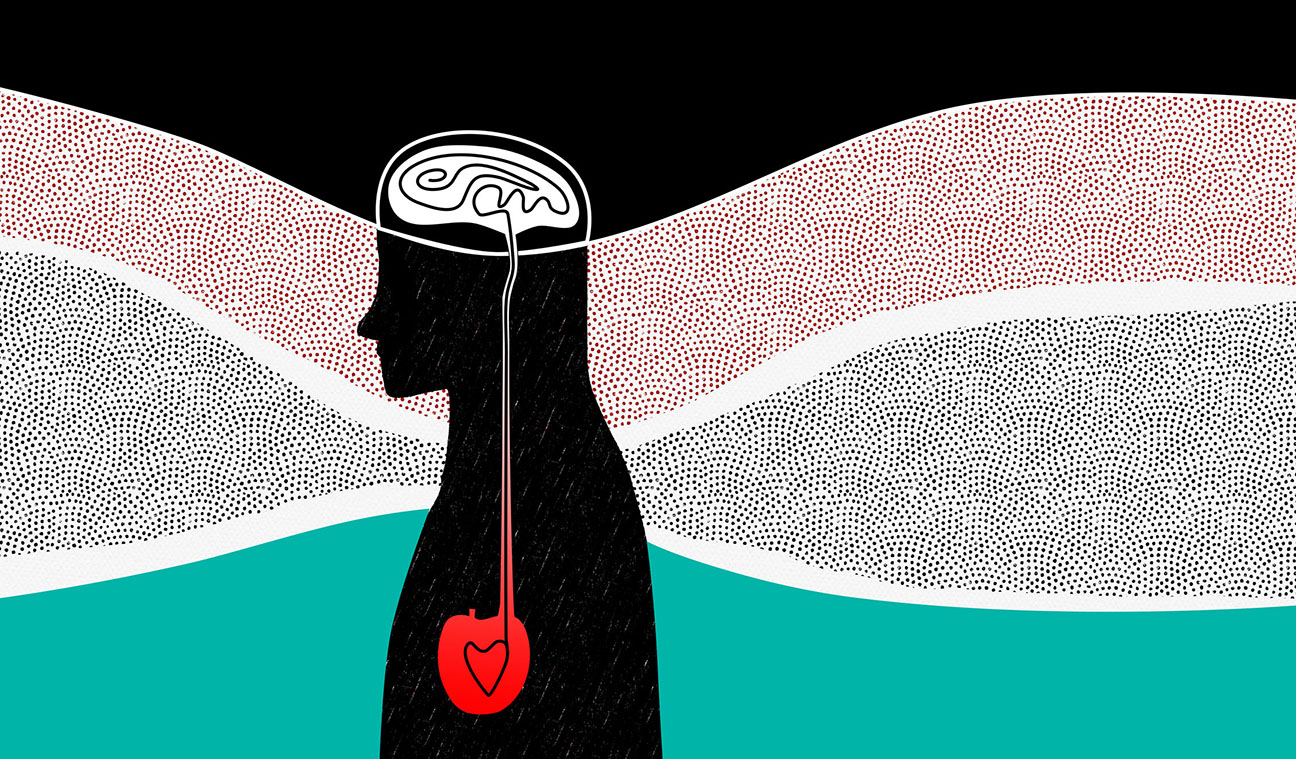
Art is integral to the human experience. It is a connective tissue between people and places. It simultaneously reflects the world in which we live and serves as a vehicle for change.
Artists challenge us, bring us together, and provide a bedrock for peace.
From the poetry of King David, to the writings of postmodern linguist Ludwig Wittgenstein, traditions both spiritual and secular recognize art’s unique ability to help us understand the world around us in profoundly deep ways that extend beyond the capacity of mere conscious thought.
A song can elevate a moment; a book can inspire one’s mind to new thinking. With a human’s breath, the ram’s horn shatters hearts of stone and washes away layers of complacency. Its call is capable of bringing us back to places inside ourselves impenetrable by any other means.
The proximate target of the boycott effort is Israel, but freedom of artistic expression, fundamental to our humanity, is its ultimate victim.
Lana Melman is the CEO of Liberate Art Inc., a leading expert and commentator on the cultural boycott effort against Israel, a Hollywood liaison, and a professional speaker and write