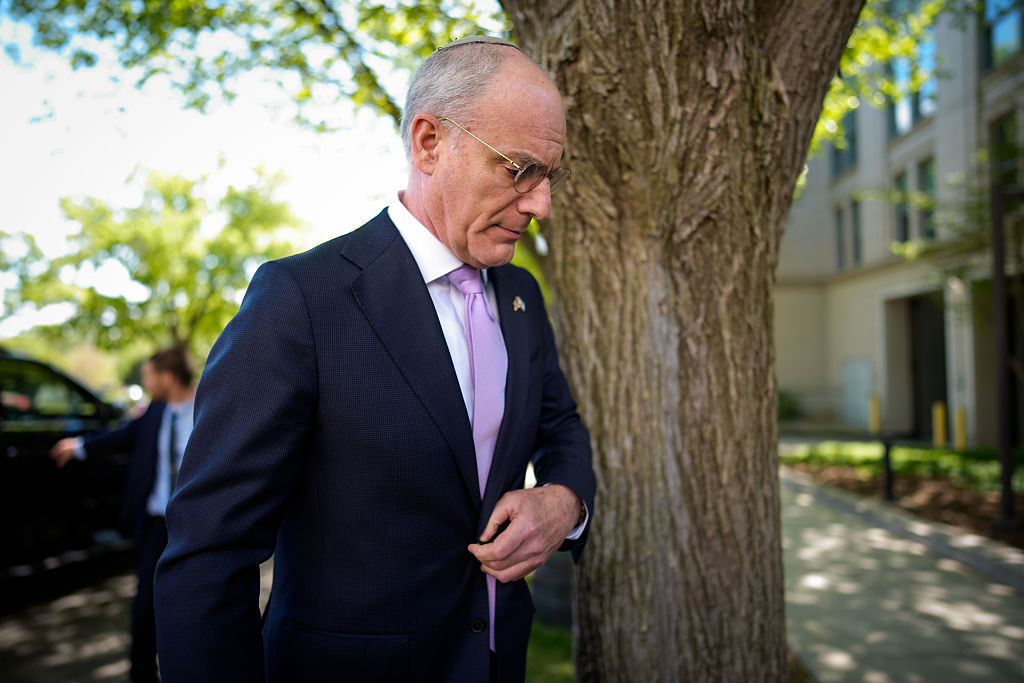
Recently new promotional videos came out of my office, in which airings began at this season’s opening Wyoming Cowboy’s football game. An image of my partner Mark, a research professor at UW, appeared. Before the game even ended, we began receiving text messages and emails from people in attendance, praising the university for using an openly gay professor in promotional videos. Before we knew it, Mark had gained a bit of unsolicited celebrity.
Almost simultaneously, my office launched our new university-wide brand and website. Again an image of Mark was used as a “profile” shot and story on our Research page. (This is common practice, to strengthen messaging between promotional materials.) Before you too assume favoritism, at the same time a number of the people showcased in the video(s) have been shown in the exact same manner on our website. In addition to being a strong scientist and mentor, Mark just happens to be handsomely photogenic.
It is true that my department supports Mark and I equally, but in this instance it is more important that Mark has been recognized as a valuable member of UW’s research community. So…to many it comes as no surprise that images of Mark working in his lab would show up in promotional materials.
The point I am getting to in somewhat of a long-winded manner is that, immediately some people assumed images of Mark were chosen because of his openly gay status and not because of the dynamic research program he has built. And, some people impressed by the video assumed that I chose to put him in the videos. It is important to know that neither of these presumed reasons is the case.
The problem for me is two-fold: 1) that GLBTQ persons are seen as such an anomaly that we would be shown in promotional manners strictly to make a point about our sexual orientation; and 2) that a teacher, mentor, professor, spouse, friend, etc., is first and foremost seen as a gay man. Mark has many wonderful characteristics but is least defined by his sexuality. His being gay has no bearing on his “celebrity” or his career. So, why does sexuality even come into the equation?
I am unsure as to whether this is positive, negative, or even a relevant issue! And, guess my concern is that as GLBTQ person’s we are so often defined by our sexuality and the farcical notion that we have chosen “lifestyles,” so much so that we are often not recognized for many more powerful attributes. When will sexuality become a secondary notion to our existences?