fbpx

Nice Jewish Art Dealer Becomes Museum Director

[additional-authors]
January 12, 2010

The talk of the art world today is how Jeffrey Deitch, 57, a nice Jewish guy and a hot-ticket art dealer from New York who grew up working in his father’s heating and cooling business in Connecticut, landed the job as the director of L.A.‘s Museum of Contemporary Art.

To say the choice of an art dealer—even one with an MBA from Harvard and an art history degree from Wesleyan—to lead a major art museum—any museum for that matter—is an untraditional appointment is, well, an understatement. Outside the realm of possibility would probably have been the take on it—if it weren’t true.

But these are days for thinking outside the box, even if that means crossing the line between the world of for-profit and non-profit, between the academy and commerce.
The fact is, MOCA—ever an adventurous institution—seems to be more than ever in a place to be trying new things. A year ago, the highly esteemed institution seemed to be on the brink of falling off a cliff—having spent much of its substantial endowment to survive under the leadership of Jeremy Strick (another nice Jewish boy). Thankfully, the museum was rescued, in large part through the donations and fundraising efforts of L.A. philanthropist Eli Broad (also Jewish).

Now MOCA, whose current exhibition of its extraordinary permanent collection demonstrates the museum’s great depth, curatorial vision and thoughtful scholarship, is attempting to find new ways to shine—and raise more money to set itself on firm footing. (Never mind that Broad is a major collector with an interest in many of the same artists Deitch has shown).

Deitch’s greatest strength is his history of provocative and thoughtful shows at Deitch Projects, which he established in 1996. He has an impressive track record of working with an extraordinary range of artists like Jeff Koons, Vito Acconci, Chen Zhen, Sue de Beer and Laura Parnes. He has served as both curator and advocate, salesman and showman. Yet it remains to be seen how he will transition from running his own shop to overseeing an experienced curatorial staff—notably a museum with one of the best curators in the business, Paul Schimmel.

Even if Deitch can successfully put his considerable commercial instincts aside and throw himself into this new and different role, there will inevitably be a learning curve. How that all will work for an already precarious institution in these difficult economic times requires a giant leap of faith. We can only hope it’s for the best.


Did you enjoy this article?
You'll love our roundtable.

Editor's Picks

Latest Articles

The Beat Goes On

While so much of the world seems obsessed with and consumed by its hatred of Israel and Jews, Israelis continue to build, create, work, celebrate, argue, raise families, and plan for the future.

Viral AI Video Targets Jewish Comedian

“The biggest concern is that people now have a pathway to shut down Jewish voices through complete falsities that people will believe. … For the future of Jewish entertainment, it’s very scary.”

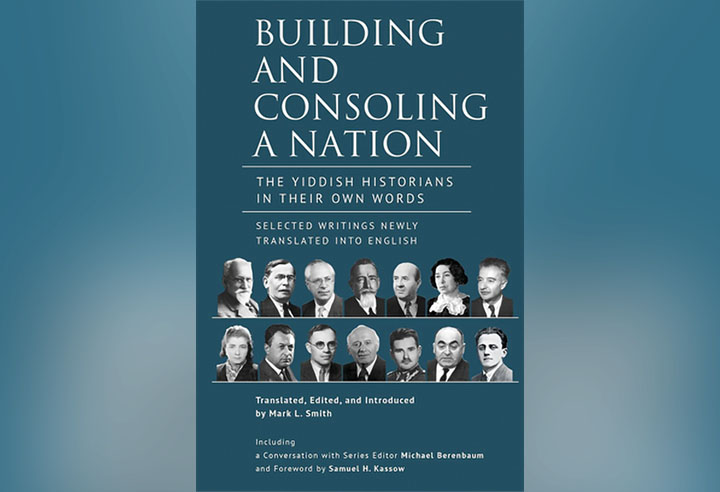
Yiddish Historians: Writing in Their Own Language for Their Own People

Mark Smith has compiled an important anthology of Jewish history using 49 works by Yiddish historians to recreate or at least open the door to a world of Jewish thought that was once almost mainstream, but which no longer exists, except in the minds of too few specialists.

The Everlasting Melody

Most Jews who have sung “Eitz Chaim” over the past half-century probably never knew Portnoy. They did not know when he wrote the melody or how young he was when he composed it. They simply knew the song.

Who’s Really the Victim?

Those who would revel in Israel’s demise are claiming victimhood on every front and denying attacks on us in the same breath.

Biblical Deterrence

After Oct. 7, the sentiment in Israel toward the Iranian leadership was unequivocal: You went medieval — so we will go biblical.

How Sukkot Makes Us Whole

This year, I bless us that we open our eyes to truly see the beauty and the holiness of the world, and of the person before us at each and every moment, and to see the godliness of their aspirations and their fears.

The New Ushpizot

Ushpizin invite us to “welcome in our ancestral constellation and dwell amongst them.” This year, it’s Ushpizot, for the women. It’s the year of the Feminist Visitation.

Macklemore, Or Less

In between his songs, he proclaimed, “Free Palestine,” which is fine, asserted that opposing Israeli military actions is not antisemitic, which is accurate, and accused Israel of apartheid and genocide, which is offensive, untrue and hateful.

The Rokeach’s Remarkable Sukkah

To Rabbi Eleazar ben Judah of Worms (1176-1238), the medieval German pietist known as the Rokeach, the sukkah symbolized Jewish military might.

The Sukkah and the Power of Endurance

They can destroy our Temples, demonize us in social media, shower us with hate, but they can’t destroy a spirit that never stops building. That enduring spirit is the power of the sukkah.

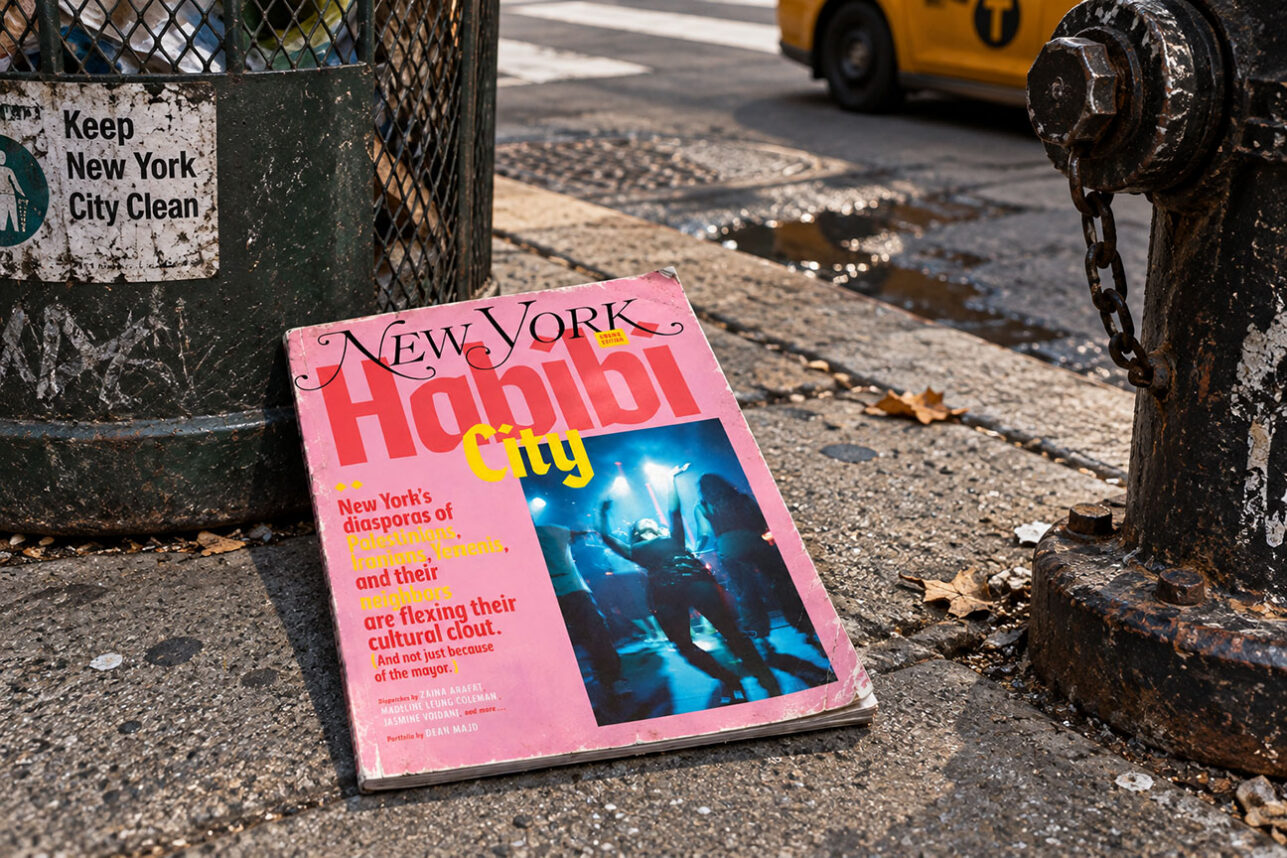
NY Mag’s Habibi City

A satirical response to Zaina Arafat’s erasure of Jews in her New York Magazine article “Habibi City,” written as Zaina Arafat.

More news and opinions than at a Shabbat dinner, right in your inbox.