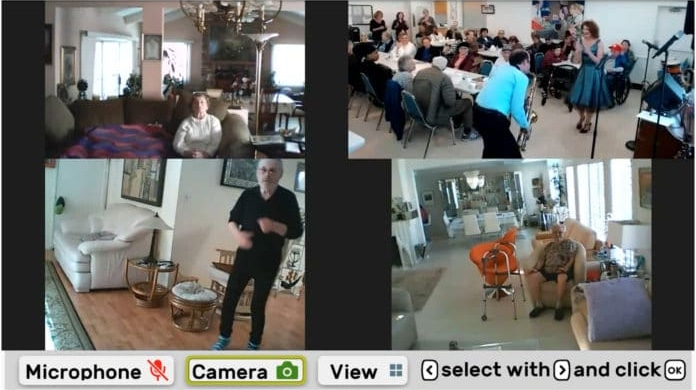
Nancy Brenner, an 89-year-old Holocaust survivor living in Los Angeles, has been isolated from friends for more than a year due to the COVID-19 pandemic. But on Yom Hashoah, the day when Jewish communities around the world remember the six million souls killed in the Holocaust, she was not alone.
Brenner joined survivors across the U.S. for a virtual commemoration, thanks to a collaboration between The Jewish Federations of North America (JFNA) and Uniper, an innovative Israeli startup. Uniper’s objective is to empower older adults to stay connected by providing them with technology that is easy for them to access and use.
The virtual event also brought together members of the second, third, and fourth generation of Holocaust survivors, along with representatives of the federal government, JFNA, and the Network of Jewish Human Service Agencies (NJHSA).
For Brenner and hundreds of fellow survivors, it was meaningful to observe Yom Hashoah as a community, with friends they have connected with during the pandemic. Throughout the year, they have been able to participate in current events discussions, group yoga, name that tune trivia games, and other virtual programming. This was made possible by a new partnership between the federal government, JFNA, and NJHSA, which has invested in virtual socialization.
According to a 2020 report of the National Academies of Sciences, Engineering, and Medicine, at least one in four older adults was already socially isolated before COVID-19, and even more – 43 percent – reported feeling lonely. Isolation and loneliness are associated with an increased risk of dementia, heart disease, and early death, and higher rates of depression, anxiety, and suicide, according to the report.
For millions of older adults, the pandemic nearly destroyed their already limited social connections. In the spring of 2020, the government issued guidance encouraging all older adults to isolate, and directing nursing homes to cancel all visitors and group activities. Holocaust survivors, already among the most vulnerable older populations in the U.S, with about 35% living in poverty, became almost completely isolated.
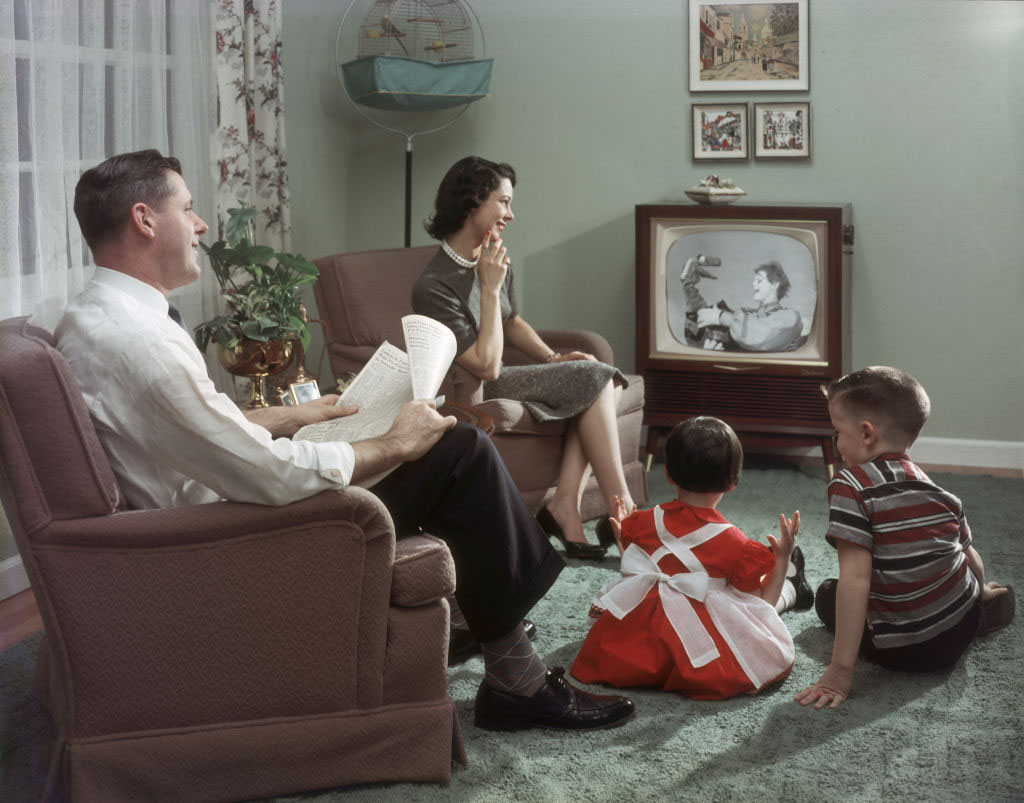
According to a Pew Research Center survey conducted in April 2020, only 20 percent of adults age 65 and older have had a virtual party or social gathering online, and only 8 percent have participated in an online fitness class. While many technologies aimed at keeping older adults connected require a computer, an app, or a tablet, Uniper only requires a TV, a medium most older people are already comfortable using. A special box and remote completes the set up.
The partnership between JFNA and NJHSA expanded in 2021 with a goal of bringing Uniper to nearly 900 older adult clients by 2022, most of them Holocaust survivors. As COVID-induced isolation ends, this partnership will continue to address the social isolation and loneliness that plagues homebound older adults, offering them opportunities to participate in meaningful virtual programming.
In line with the federal government’s grant to help Holocaust survivors and diverse older adults with a history of trauma, Uniper’s programming embodies the person-centered, trauma-informed approach, giving participants choice and a voice. The Yom HaShoah ceremony exemplified that approach, highlighting the voices and memories of survivors.
Brenner empowered other participants with her message, “Never forget what we went through; that has to be with us for the rest of our lives. But also remember what you accomplished since you came here.”
Mark Wilf, chairman of JFNA and the son and grandson of Holocaust survivors, participated in the Yom Hashoah event. “We have a responsibility to help Holocaust survivors live with comfort and dignity,” he said. “And in these times, keeping them connected to each other and to Jewish community is essential to their well-being. I’m proud that JFNA is investing in innovative ways to carry out this mission.”
Even as Brenner sits alone in her Los Angeles home, she reflects and dreams, “We were always a close family. We still should be. We lost too many families. We lost our aunts, uncles, and cousins. And the rest of us [survivors], you are my family.”