Adom Olam, the Ruler of the universe,
recognized as constitutional monarch of all Jews,
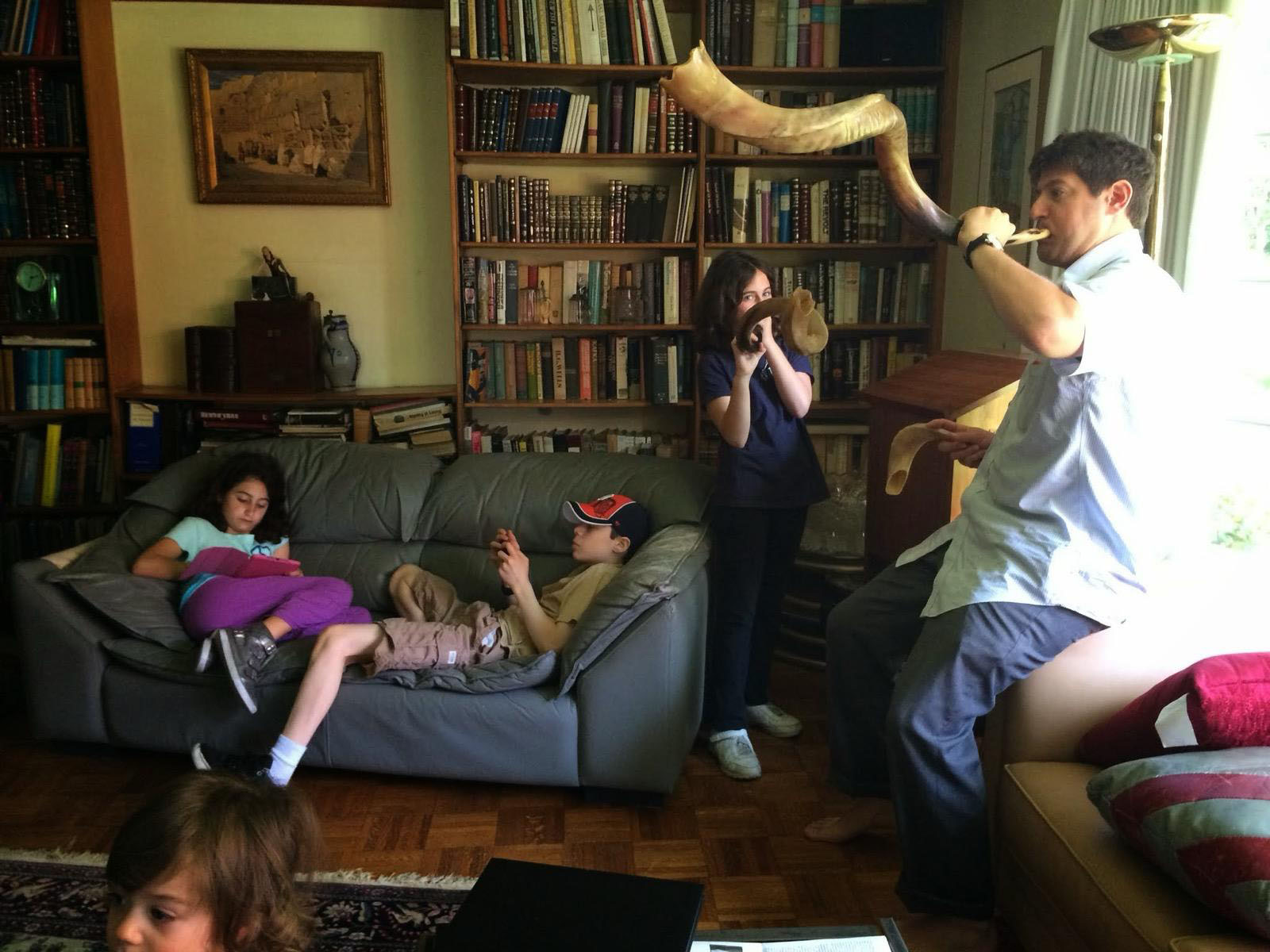
since with a shofar we are able to converse
with Him, and wordlessly express our loyal views,
as Abraham did famously on Mount Moriah
when offering instead of Isaac a wild ram,
of God’s mysterious demand not a denier;
He’s God whose name means “I am who I am.”
This is His motto, one He hopes each loyal Jewish subject understands,
not only as what defines Him, but a point of view that He from every Jew demands.
The Adon Olam, a song by Ibn Gabirol with which many prayer services conclude, implies that God is a constitutional monarch, an inference Meir Soloveichik implied but did not express explicitly on 9/5/24 in his podcast, “Coronation Night,” in which, after informing his audience that the first night of Rosh Hashanah is called by some Jews Koronatzie Nacht, Coronation Night, he recalled a midrash in which Rabbi Pinhas states that the angel who is appointed to coronate God takes the prayers of all Jewish communities throughout the world and weaves them into a crown that the angel places on God’s head. Rabbi Meir added that his uncle, Rabbi Joseph Soloveitchik, used to recall how in his childhood his hasidic teacher taught him: “Do you know who crowns God on Koronatzie Nacht? Yankel the tailor, Berel the shoemaker and Zalman the water carrier.”
Here is the first verse of the Adon Olam
אֲדוֹן עוֹלָם אֲשֶׁר מָלַךְ
בְּטֶֽרֶם כָּל יְצִיר נִבְרָא:
לְעֵת נַעֲשָׂה בְחֶפְצוֹ כֹּל,
אֲזַי מֶֽלֶךְ שְׁמוֹ נִקְרָא:
This is my translation:
Regarding the on Olam, Master of the Universe, Who reigned
before any creature was created,
there came a time this was confirmed by universal assent:
that is when His Name was proclaimed King.
Exod. 3:14 states:
יד וַיֹּאמֶר אֱלֹהִים אֶל-מֹשֶׁה, אֶהְיֶה אֲשֶׁר אֶהְיֶה; וַיֹּאמֶר, כֹּה תֹאמַר לִבְנֵי יִשְׂרָאֵל, אֶהְיֶה, שְׁלָחַנִי אֲלֵיכֶם. 14 And God said unto Moses: ‘I AM THAT I AM’; and He said: ‘Thus shalt thou say unto the children of Israel: I AM hath sent me unto you.’
In 1 Sam. 15:29 Samuel says to Saul, explaining to him why God replaces him with David:
וְגַם֙ נֵ֣צַח יִשְׂרָאֵ֔ל לֹ֥א יְשַׁקֵּ֖ר וְלֹ֣א יִנָּחֵ֑ם כִּ֣י לֹ֥א אָדָ֛ם ה֖וּא לְהִנָּחֵֽם׃
Moreover, Netzah. the Glory, of Israel does not deceive or change His mind, for He is not human that He should change His mind.”
The term נֵ֣צַח יִשְׂרָאֵ֔ל, Netzah Yisrael, describes God as a constitutional monarch who changes His mind, contrary to what is stated in the verse that precedes this.
וַיֹּ֤אמֶר אֵלָיו֙ שְׁמוּאֵ֔ל קָרַ֨ע יְהֹוָ֜ה אֶֽת־מַמְלְכ֧וּת יִשְׂרָאֵ֛ל מֵעָלֶ֖יךָ הַיּ֑וֹם וּנְתָנָ֕הּ לְרֵעֲךָ֖ הַטּ֥וֹב מִמֶּֽךָּ׃ {ס}
And Samuel said to him, “The LORD has this day torn the kingship over Israel away from you and has given it to another who is worthier than you.
The counterintuitive nature of the decision contradicts the heavenly decision of God in the story of the debate regarding the purity of the oven of Akhnai, well summarized in Wikipedia but more fully recorded in the Talmud in Baba Metsia 59b.:
עָמַד רַבִּי יְהוֹשֻׁעַ עַל רַגְלָיו וְאָמַר: ״לֹא בַשָּׁמַיִם הִיא!״ מַאי ״לֹא בַּשָּׁמַיִם הִיא״? אָמַר רַבִּי יִרְמְיָה: שֶׁכְּבָר נִתְּנָה תּוֹרָה מֵהַר סִינַי, אֵין אָנוּ מַשְׁגִּיחִין בְּבַת קוֹל, שֶׁכְּבָר כָּתַבְתָּ בְּהַר סִינַי בַּתּוֹרָה ״אַחֲרֵי רַבִּים לְהַטֹּת״. אַשְׁכְּחֵיהּ רַבִּי נָתָן לְאֵלִיָּהוּ, אֲמַר לֵיהּ: מַאי עָבֵיד קוּדְשָׁא בְּרִיךְ הוּא בְּהַהִיא שַׁעְתָּא? אֲמַר לֵיהּ: קָא חָיֵיךְ וְאָמַר, ״נִצְּחוּנִי בָּנַי! נִצְּחוּנִי בָּנַי!״
Rabbi Yehoshua stood on his feet and said: It is written: “It is not in heaven” (Deuteronomy 30:12). The Gemara asks: What is the relevance of the phrase “It is not in heaven” in this context? Rabbi Yirmeya says: Since the Torah was already given at Mount Sinai, we do not regard a Divine Voice, as You already wrote at Mount Sinai, in the Torah: “After a majority to incline” (Exodus 23:2). Since the majority of Rabbis disagreed with Rabbi Eliezer’s opinion, the halakha is not ruled in accordance with his opinion. The Gemara relates: Years after, Rabbi Natan encountered Elijah the prophet and said to him: What did the Holy One, Blessed be He, do at that time, when Rabbi Yehoshua issued his declaration? Elijah said to him: The Holy One, Blessed be He, smiled and said: My children have triumphed over Me; My children have triumphed over Me.
The words נִצְּחוּנִי בָּנַי! נִצְּחוּנִי בָּנַי imply that God Himself is a constitutional monarch, His title נֵ֣צַח יִשְׂרָאֵ֔ל not only denoting “Glory of Israel,” but “The God over whose decisions the Israelites may triumph as that of Rabbi Yehoshua does over the opinion expressed by Rabbi Eliezer, since God as Netzah Yisrael is a constitutional monarch.
How incredible it was of Rabbi Yehuda Leib Maimon (1875-1962) to introduce into in the statement of the Independence of the State of Israel a reference to God, describing Him נֵ֣צַח יִשְׂרָאֵ֔ל, Netzah Yisrael, meaning not only “Glory of God” but “Constitutional Monarch of Israel,” the term used by Samuel in 1 Sam. 15/29, describing God when He changes His mind by appointing David to replace Saul. He implies that though He seems to be changing His mind, He is actually acting with divine right as Israel’s constitutional monarch, a right that true kings of Israel like David share with God in imitatio dei.
Gershon Hepner is a poet who has written over 25,000 poems on subjects ranging from music to literature, politics to Torah. He grew up in England and moved to Los Angeles in 1976. Using his varied interests and experiences, he has authored dozens of papers in medical and academic journals, and authored “Legal Friction: Law, Narrative, and Identity Politics in Biblical Israel.” He can be reached at gershonhepner@gmail.com.