fbpx

And the Fourth Son is Silent

Some people come to hear the story...
[additional-authors]
March 23, 2023
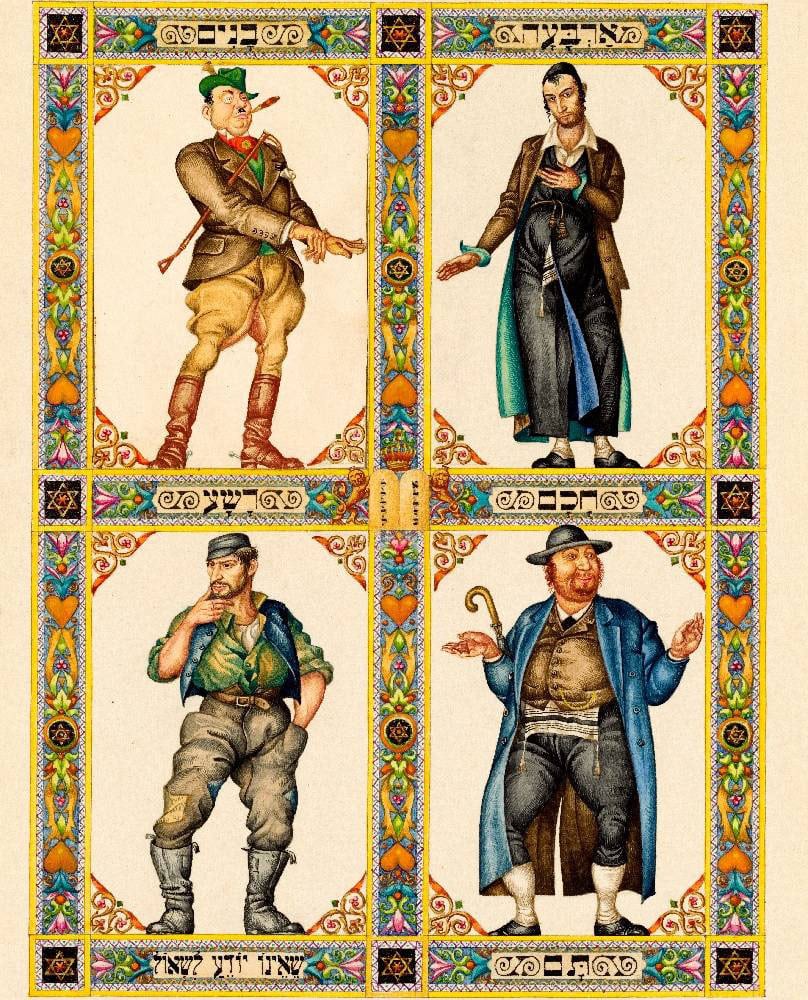
The Four Sons, Arthur Szyk, 1934, Łódź, Poland.The Arthur Szyk Society, Burlingame, CA (www.szyk.org). Wikimedia. Creative Commons Attribution-Share Alike 4.0 International license.

Some people come to hear the story,

the wonders and the signs,

the rationale of rituals gory,

and read between the lines


the tale they wish to hear: the wise,

the wicked and the plain,

the one who does not ask, four guys

who cannot feel the pain


their ancestors once felt, and joy

their father cannot wait

to share with them.  They don’t annoy

if they participate


by asking father questions, he

is happy they have come,

however wayward they may be,

or simple, even dumb,


though dumbness is the worst, sad choice

one makes: he loves the most

the questions that three ask, their voice

replacing Paschal roast.

The wise one learns no story, for

he only studies laws,

the wicked one, not shown the door,

is made to clench his jaws,


the simple one is told a tale

a child could understand,

the fourth one’s head is like a tail

since he does not demand,


with questions, explanations

of Jewish history,

like heads or tails, its expectations

a mighty mystery.


This Passover he gets a pass,

while we hope that he’ll ask

next year the questions that, alas,

his mind and mouth now mask.


Gershon Hepner is a poet who has written over 25,000 poems on subjects ranging from music to literature, politics to Torah. He grew up in England and moved to Los Angeles in 1976. Using his varied interests and experiences, he has authored dozens of papers in medical and academic journals, and authored “Legal Friction: Law, Narrative, and Identity Politics in Biblical Israel.” He can be reached at gershonhepner@gmail.com.


Did you enjoy this article?
You'll love our roundtable.

Editor's Picks

Latest Articles

The Beat Goes On

While so much of the world seems obsessed with and consumed by its hatred of Israel and Jews, Israelis continue to build, create, work, celebrate, argue, raise families, and plan for the future.

Viral AI Video Targets Jewish Comedian

“The biggest concern is that people now have a pathway to shut down Jewish voices through complete falsities that people will believe. … For the future of Jewish entertainment, it’s very scary.”

Yiddish Historians: Writing in Their Own Language for Their Own People

Mark Smith has compiled an important anthology of Jewish history using 49 works by Yiddish historians to recreate or at least open the door to a world of Jewish thought that was once almost mainstream, but which no longer exists, except in the minds of too few specialists.

The Everlasting Melody

Most Jews who have sung “Eitz Chaim” over the past half-century probably never knew Portnoy. They did not know when he wrote the melody or how young he was when he composed it. They simply knew the song.

Who’s Really the Victim?

Those who would revel in Israel’s demise are claiming victimhood on every front and denying attacks on us in the same breath.

Biblical Deterrence

After Oct. 7, the sentiment in Israel toward the Iranian leadership was unequivocal: You went medieval — so we will go biblical.

How Sukkot Makes Us Whole

This year, I bless us that we open our eyes to truly see the beauty and the holiness of the world, and of the person before us at each and every moment, and to see the godliness of their aspirations and their fears.

The New Ushpizot

Ushpizin invite us to “welcome in our ancestral constellation and dwell amongst them.” This year, it’s Ushpizot, for the women. It’s the year of the Feminist Visitation.

Macklemore, Or Less

In between his songs, he proclaimed, “Free Palestine,” which is fine, asserted that opposing Israeli military actions is not antisemitic, which is accurate, and accused Israel of apartheid and genocide, which is offensive, untrue and hateful.

The Rokeach’s Remarkable Sukkah

To Rabbi Eleazar ben Judah of Worms (1176-1238), the medieval German pietist known as the Rokeach, the sukkah symbolized Jewish military might.

The Sukkah and the Power of Endurance

They can destroy our Temples, demonize us in social media, shower us with hate, but they can’t destroy a spirit that never stops building. That enduring spirit is the power of the sukkah.

NY Mag’s Habibi City

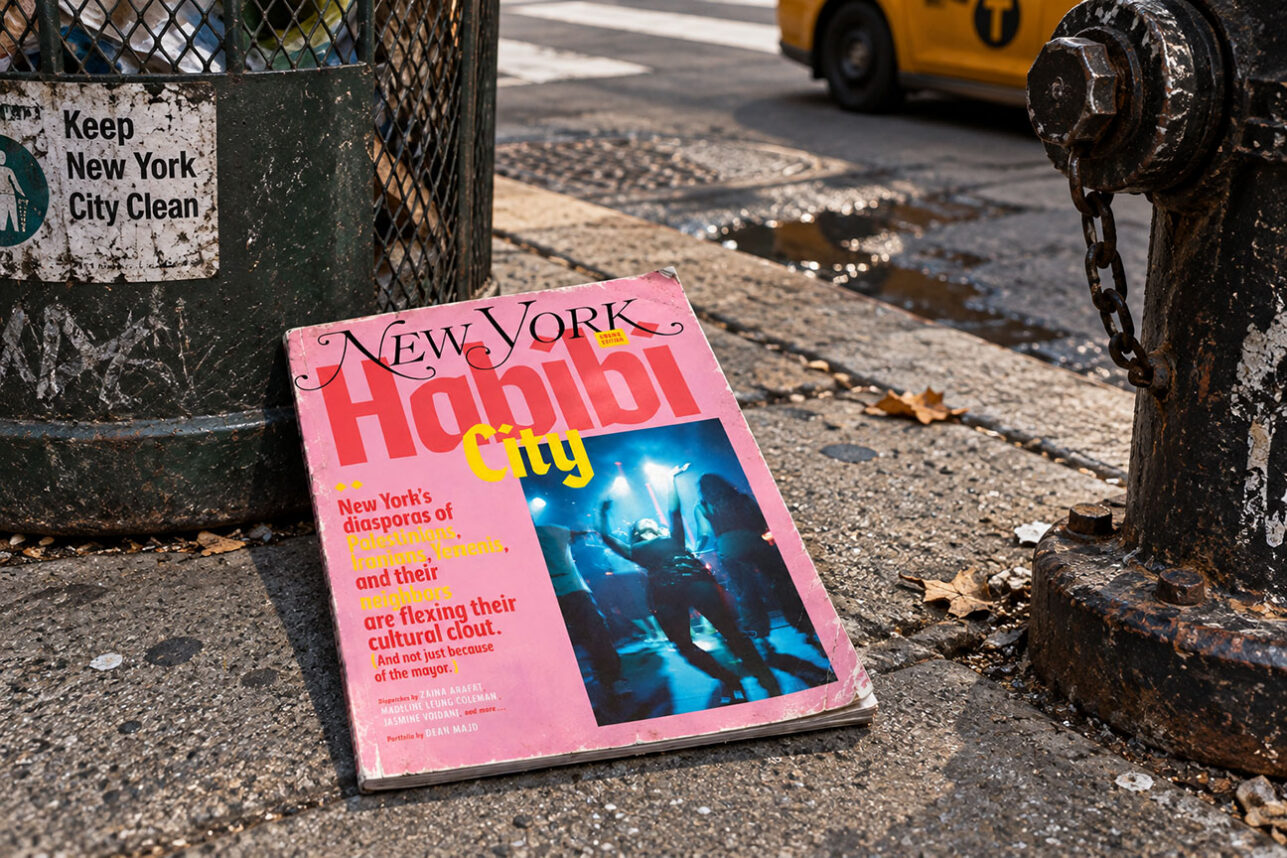
A satirical response to Zaina Arafat’s erasure of Jews in her New York Magazine article “Habibi City,” written as Zaina Arafat.

More news and opinions than at a Shabbat dinner, right in your inbox.