fbpx

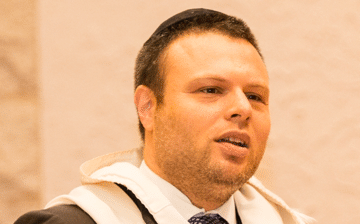
Parshat Nitzavim-Vayelech with Rabbi Tal Sessler

[additional-authors]
September 10, 2020

Rabbi Tal Sessler teaches Jewish Philosophy at the Academy for Jewish Religion in California. He is also the senior rabbi of Sephardic Temple Tifereth Israel. Born and raised in Tel Aviv, he moved to the United States in 2000, first earning his doctorate in philosophy, and then receiving rabbinical ordination. A published author and recognized scholar, Sessler has written three books focusing on philosophy and Jewish identity.

This week’s Torah portion – Parashat Nitzavim-Vayelech (Deuteronomy 29:9-31:30) – begins with Moses gathering the people of Israel to enter them into a covenant with God. Moses then warns of the great desolation that will befall them if they stray from the covenant, but he assures them that if they repent God will bring them back together again from the ends of the world. The portion continues to talk about free choice and repentance, and tells of Moses passing his leadership to Joshua. Our discussion focuses on the evolution of Moses as a leader as he approaches his death (parallel to our own process approaching Yom Kippur), his increasing acceptance of death as an inevitable aspect of life and his response, which is to express faith and confidence in the people and the “process” of God’s unfolding truth.

Previous Torah Talks on this parsha

Rabbi Suzanne Singer

Rabbi Jeremy Kalmanofsky

Rabbi Rick Shapiro

Rabbi Morley Feinstein

Rabbi Marc Margolis

Rabbi Richard Block


Did you enjoy this article?
You'll love our roundtable.

Editor's Picks

Latest Articles

Cerf’s Up!

As the publisher and co-founder of Random House, Bennett Cerf was one of the most important figures in 20th-century culture and literature.

Are We Still Comfortably Numb?

Forgiving someone on behalf of a community that is not yours is not forgiveness. It is opportunism dressed up as virtue.

National Picnic Day

There is nothing like spreading a soft blanket out in the shade and enjoying some delicious food with friends and family.

John Lennon’s Dream – And Where It Fell Short

His message of love — hopeful, expansive, humane — inspired genuine moral progress. It fostered hope that humanity might ultimately converge toward those ideals. In too many parts of the world, that expectation collided with societies that did not share those assumptions.

Journeys to the Promised Land

Just as the Torah concludes with the people about to enter the Promised Land, leaders are successful when the connections we make reveal within us the humility to encounter the Infinite.

More news and opinions than at a Shabbat dinner, right in your inbox.