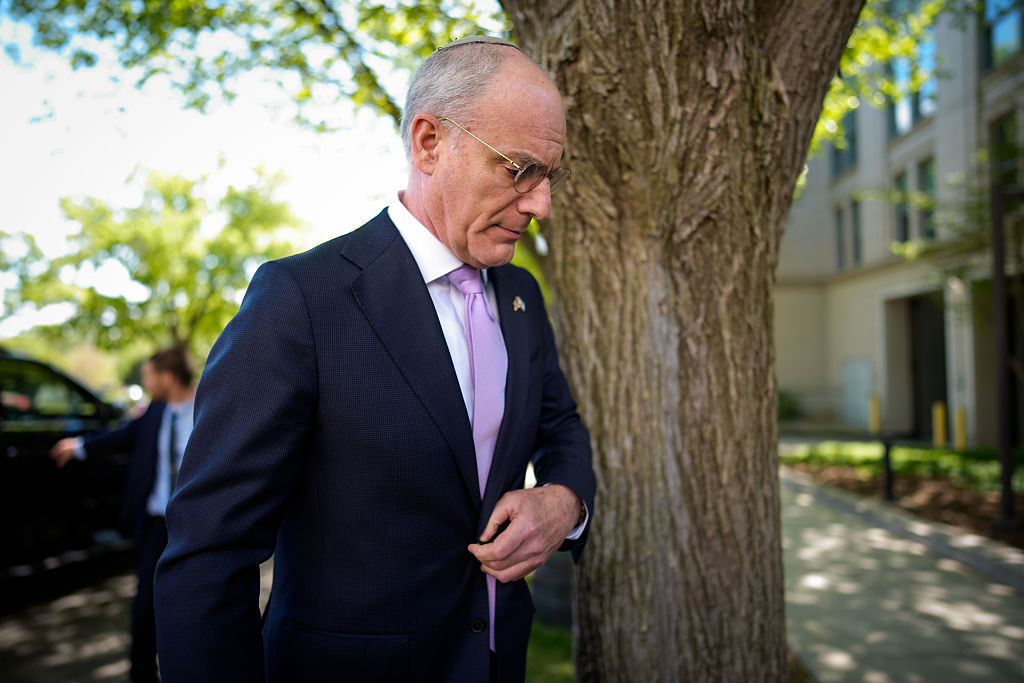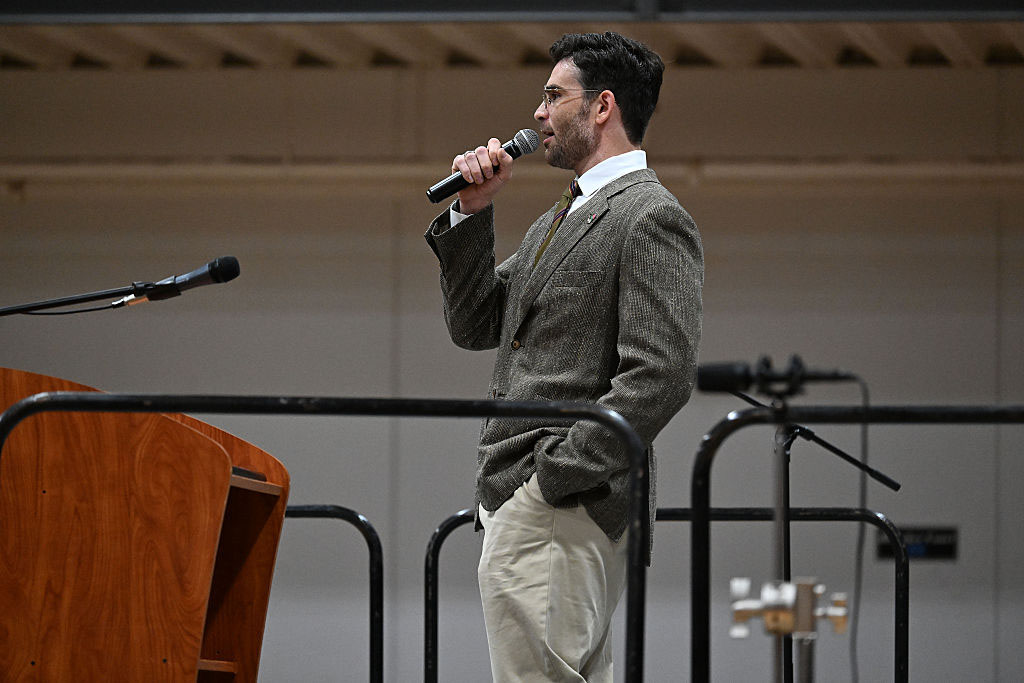
Hiroki Sugihara (foreground) is among the five Simon Wiesenthal Center honorees in the new exhibit, “Visas for Life: The Righteous Diplomats.”Members of a small and select club were remembered and honored on Monday with the opening of the exhibit “Visas for Life: The Righteous Diplomats” at the Simon Wiesenthal Center.
The five honorees, now all deceased, were consular officials who defied the orders of their respective governments by issuing life-saving visas and safe passes to a combined 150,000 Jewish refugees during World War II. These diplomats paid with their professional careers.
The exhibit of previously unpublished photographs and letters pays tribute to Raoul Wallenberg of Sweden, Aristides de Sousa Mendes of Portugal, Chiune Sugihara of Japan, Hiram Bingham of the United States, and Jan Zwartendijk of Holland.
Sons of three of the diplomats were on hand to recognize their fathers’ courageous deeds during 1940, as desperate refugees sought to escape the Nazi juggernaut.
John Paul Abranches, son of Sousa Mendes, recalled the words of his father: “I would rather be with God against man, than with man against God.” While stationed in Bordeaux, France, Sousa Mendes and his family issued 30,000 visas during a three-day period.
William Bingham spoke of his father, who, while stationed in Marseilles, France, was instrumental in bringing to the United States such notables as Marc Chagall, writer Heinrich Mann, and 20 Jewish Nobel Prize winners.
Hiroki Sugihara noted that his father was considered a meshugener by colleagues for issuing visas to more than 10,000 Polish Jews while serving in Kaunas, Lithuania.
Eric Saul, who created the exhibit, noted that these five diplomats must be counted among the 36 Righteous Men of each generation, through whose merit the world is preserved.
Saul regretted that “less than 1 percent of Jews know even the names of these five rescuers.”
Rabbi Abraham Cooper, associate dean of the Wiesenthal Center, said that an attempt will be made to mount the exhibit at the U.S. State Department, and later at the British and French foreign ministries.
“Visas for Life” is open to the public through Aug. 27 at the Museum of Tolerance.
In the same location, the exhibit “Beta Israel: The Jews of Ethiopia” will be on display until Aug. 10.
Through illustrated charts, primitive tools, handicraft, musical instruments and photos, the exhibit traces the likely origins, history and daily life of the Beta Israel.
The final panel shows the Ethiopian Jews’ present life in Israel through somewhat romanticized photos, but the accompanying text does not gloss over their difficulties in integrating into modern Israeli society.
For information on both exhibits, call (310) 553-9036.