fbpx

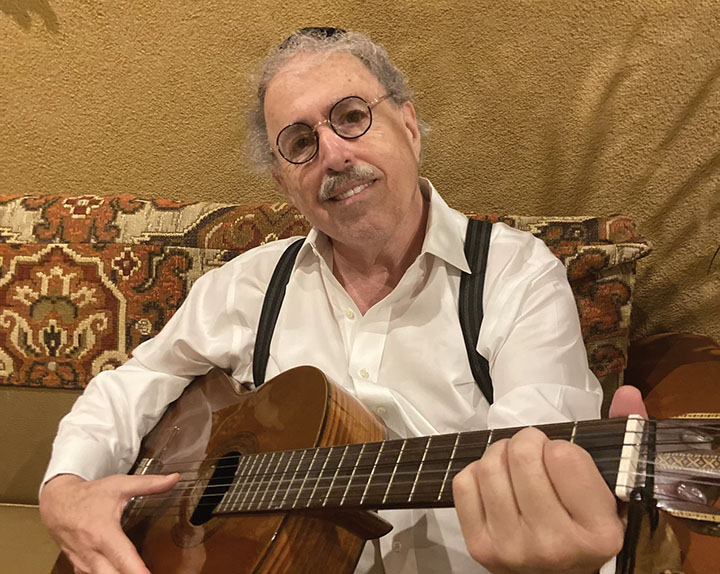
David Kalish: A Caring Voice

\"As a Jew, I felt an extreme amount of anger and outrage that Jews had been attacked,\" says Kalish, 46. \"I also felt frustration, as a police officer, that we knew the identity of the suspect, but we hadn\'t yet caught up with him. Yet I did feel a certain amount of optimism and relief that so many people had come together to address the issue.\"
[additional-authors]
August 19, 1999

After working a 24-hour shift on the day of the North Valley Jewish Community Center shootings, Cmdr. David Kalish, LAPD’s spokesperson, arrived home at 2:30 a.m., exhausted.

“When I responded to the scene, my responsibility was to disseminate information to the media,” says Kalish, who is Jewish and a past president of the Shomrim Society, a fraternal organization for Jews in law enforcement. “In emergency situations, you can’t allow your emotions to interfere.”

But Kalish finally allowed his personal feelings to emerge as he changed out of his uniform and removed his gun belt in the wee hours the night after the shooting.

“As a Jew, I felt an extreme amount of anger and outrage that Jews had been attacked,” says Kalish, 46. “I also felt frustration, as a police officer, that we knew the identity of the suspect, but we hadn’t yet caught up with him. Yet I did feel a certain amount of optimism and relief that so many people had come together to address the issue.”

Ask Kalish, the father of a 4-month-old son, about whether he will feel comfortable sending his child to religious school, and he responds, “Yes, of course.” But he would like his synagogue and others to re-evaluate their security options and take precautionary measures without going overboard. He wouldn’t want to send his son to a Jewish school that resembled a prison.

Kalish, now a familiar figure on the nightly news, grew up in the San Fernando Valley and Orange County, where he attended a Tustin synagogue. He initially dismayed his parents with his intentions of becoming a police officer. Jewish men, they assumed, become doctors and lawyers, not cops. “It’s cute when a little boy says he wants to become a policeman, but when he grows up and still wants to be a police officer, that causes anxiety,” Kalish says.

Over the years, he steadily worked up the LAPD ranks. He served as a patrol officer in South Central, a detective working with juveniles in Rampart Division, a captain in the Hollywood Patrol Division and a commander working in criminal intelligence, among other positions, before Chief Bernard Parks appointed him department spokesperson two years ago.

In the aftermath of the NVJCC shootings, Kalish had a message for the Jewish community: “This incident and others throughout history have taught Jews that we must be concerned about security, but we don’t need to overreact,” he says.


Did you enjoy this article?
You'll love our roundtable.

Editor's Picks

Latest Articles

The Beat Goes On

While so much of the world seems obsessed with and consumed by its hatred of Israel and Jews, Israelis continue to build, create, work, celebrate, argue, raise families, and plan for the future.

Viral AI Video Targets Jewish Comedian

“The biggest concern is that people now have a pathway to shut down Jewish voices through complete falsities that people will believe. … For the future of Jewish entertainment, it’s very scary.”

Yiddish Historians: Writing in Their Own Language for Their Own People

Mark Smith has compiled an important anthology of Jewish history using 49 works by Yiddish historians to recreate or at least open the door to a world of Jewish thought that was once almost mainstream, but which no longer exists, except in the minds of too few specialists.

The Everlasting Melody

Most Jews who have sung “Eitz Chaim” over the past half-century probably never knew Portnoy. They did not know when he wrote the melody or how young he was when he composed it. They simply knew the song.

Who’s Really the Victim?

Those who would revel in Israel’s demise are claiming victimhood on every front and denying attacks on us in the same breath.

Biblical Deterrence

After Oct. 7, the sentiment in Israel toward the Iranian leadership was unequivocal: You went medieval — so we will go biblical.

How Sukkot Makes Us Whole

This year, I bless us that we open our eyes to truly see the beauty and the holiness of the world, and of the person before us at each and every moment, and to see the godliness of their aspirations and their fears.

The New Ushpizot

Ushpizin invite us to “welcome in our ancestral constellation and dwell amongst them.” This year, it’s Ushpizot, for the women. It’s the year of the Feminist Visitation.

Macklemore, Or Less

In between his songs, he proclaimed, “Free Palestine,” which is fine, asserted that opposing Israeli military actions is not antisemitic, which is accurate, and accused Israel of apartheid and genocide, which is offensive, untrue and hateful.

The Rokeach’s Remarkable Sukkah

To Rabbi Eleazar ben Judah of Worms (1176-1238), the medieval German pietist known as the Rokeach, the sukkah symbolized Jewish military might.

The Sukkah and the Power of Endurance

They can destroy our Temples, demonize us in social media, shower us with hate, but they can’t destroy a spirit that never stops building. That enduring spirit is the power of the sukkah.

NY Mag’s Habibi City

A satirical response to Zaina Arafat’s erasure of Jews in her New York Magazine article “Habibi City,” written as Zaina Arafat.

The ‘Fauda’ Enigma

In many of the nations that believe Israel has no right to exist and routinely root for terrorists to slaughter Jews, a TV show that depicts Israeli covert operatives outsmarting and dispatching Arabs has an inexplicably loyal global audience.

More news and opinions than at a Shabbat dinner, right in your inbox.