fbpx

Charlie Hebdo attack survivor is leaving publication

One of the few cartoonists to survive an Islamist militant attack on France\'s Charlie Hebdo journal is leaving the publication, saying he can no longer bear the pressure.
[additional-authors]
May 19, 2015

One of the few cartoonists to survive an Islamist militant attack on France's Charlie Hebdo journal is leaving the publication, saying he can no longer bear the pressure.

Renald Luzier, better known simply as Luz, announced his decision in an interview in Liberation, the newspaper that has housed Charlie Hebdo and helped it publish since an attack in which most of his cartoonist colleagues were killed.

“The time came when it was just all too much to bear. There was next to nobody to draw the cartoons. I ended up doing three or every four front-pages. Every print-run was torture because the others are no longer there,” said Luz.

He drew the cover picture on the first post-attack edition of Charlie Hebdo – which sold some eight million copies across the world compared to a normal week's sales of around 60,000 – but he had recently said he would no longer draw cartoons of the Prophet Mohammad because he was fed up with the matter.

For Muslims, any depiction of the Prophet is blasphemous; but Charlie Hebdo's first post-attack edition carried on its cover a Luz cartoon of a tearful Mohammad holding a “Je suis Charlie” (“I am Charlie”) sign under the words “All is forgiven”.

NO HERO

Islamist militants saying they were avenging the Prophet killed 12 people in January when they attacked the Paris offices of the irreverent weekly known for lampooning Islam along with other religions and the political establishment. Among those killed were chief editor Stephane Charbonnier and household-name cartoonists such as Georges Wolinski and Jean Cabut.

Luz, who lives under police protection like the rest of the survivors and colleagues at other newspapers such as the Canard Enchaine, cited pressure of work and media scrutiny as the main reasons for quitting.

The ad-free publication overcame serious financial woes thanks to donations since the Jan.7 attack and the massive but temporary post-attack boost to sales for the journal that sells at 3 euros ($3.36) per copy.

Luz said his decision had nothing to do with the problems at the journal, including splits that only recently surfaced over its staff ownership structure and disciplinary proceeedings against one of its journalists.

“I'm no longer interested in returning to normal life as a news cartoonist,” said Luz.

He spoke of the fear of no longer being inspired and being fed up with hero status that meant his every move triggered media headlines.

“We're not heroes, we never were and we never wanted to be,” he said.

At no point, however, did he speak of fear of being targeted again by militants.

Did you enjoy this article?
You'll love our roundtable.

Editor's Picks

Latest Articles

The Beat Goes On

While so much of the world seems obsessed with and consumed by its hatred of Israel and Jews, Israelis continue to build, create, work, celebrate, argue, raise families, and plan for the future.

Viral AI Video Targets Jewish Comedian

“The biggest concern is that people now have a pathway to shut down Jewish voices through complete falsities that people will believe. … For the future of Jewish entertainment, it’s very scary.”

Yiddish Historians: Writing in Their Own Language for Their Own People

Mark Smith has compiled an important anthology of Jewish history using 49 works by Yiddish historians to recreate or at least open the door to a world of Jewish thought that was once almost mainstream, but which no longer exists, except in the minds of too few specialists.

The Everlasting Melody

Most Jews who have sung “Eitz Chaim” over the past half-century probably never knew Portnoy. They did not know when he wrote the melody or how young he was when he composed it. They simply knew the song.

Who’s Really the Victim?

Those who would revel in Israel’s demise are claiming victimhood on every front and denying attacks on us in the same breath.

Biblical Deterrence

After Oct. 7, the sentiment in Israel toward the Iranian leadership was unequivocal: You went medieval — so we will go biblical.

How Sukkot Makes Us Whole

This year, I bless us that we open our eyes to truly see the beauty and the holiness of the world, and of the person before us at each and every moment, and to see the godliness of their aspirations and their fears.

The New Ushpizot

Ushpizin invite us to “welcome in our ancestral constellation and dwell amongst them.” This year, it’s Ushpizot, for the women. It’s the year of the Feminist Visitation.

Macklemore, Or Less

In between his songs, he proclaimed, “Free Palestine,” which is fine, asserted that opposing Israeli military actions is not antisemitic, which is accurate, and accused Israel of apartheid and genocide, which is offensive, untrue and hateful.

The Rokeach’s Remarkable Sukkah

To Rabbi Eleazar ben Judah of Worms (1176-1238), the medieval German pietist known as the Rokeach, the sukkah symbolized Jewish military might.

The Sukkah and the Power of Endurance

They can destroy our Temples, demonize us in social media, shower us with hate, but they can’t destroy a spirit that never stops building. That enduring spirit is the power of the sukkah.

NY Mag’s Habibi City

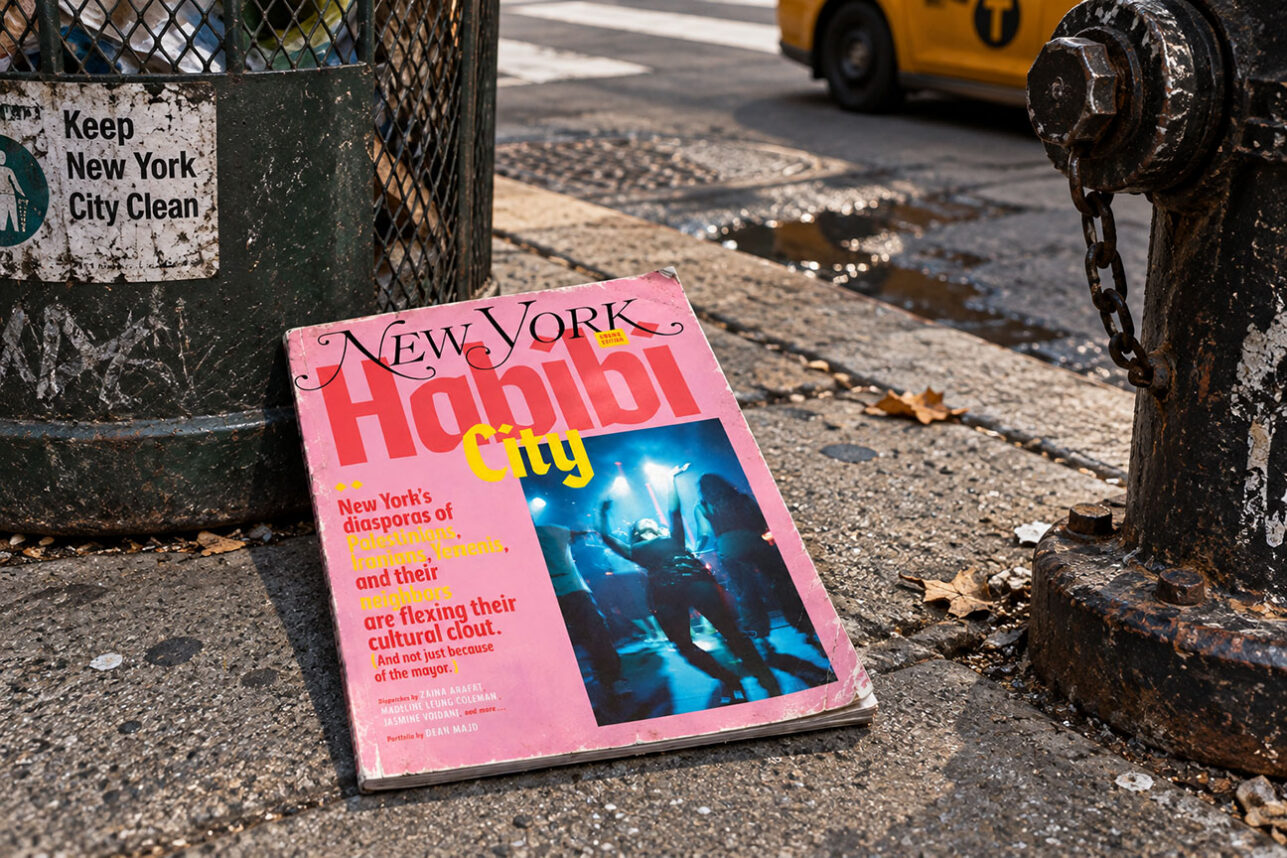
A satirical response to Zaina Arafat’s erasure of Jews in her New York Magazine article “Habibi City,” written as Zaina Arafat.

The ‘Fauda’ Enigma

In many of the nations that believe Israel has no right to exist and routinely root for terrorists to slaughter Jews, a TV show that depicts Israeli covert operatives outsmarting and dispatching Arabs has an inexplicably loyal global audience.

More news and opinions than at a Shabbat dinner, right in your inbox.