fbpx

Short Memories: Jews And Immigration

Even though attitudes in the Jewish community towards illegal immigration appear to have hardened, a February report published by the U.S. Department of Homeland Security (DHS) suggests that the Jewish immigration experience over the past century has more in common with present-day migrants than many Jews recognize or fully appreciate.\n
[additional-authors]
February 25, 2010

From huffingtonpost.com

Even though attitudes in the Jewish community towards illegal immigration appear to have hardened, a February report published by the U.S. Department of Homeland Security (DHS) suggests that the Jewish immigration experience over the past century has more in common with present-day migrants than many Jews recognize or fully appreciate.

Each year, the DHS’ Office of Immigration Statistics gamely puts out “Estimates of the Unauthorized Immigrant Population Residing in the United States.” Even the government statisticians acknowledge the limitations of their data collection: keeping an accurate count of immigrants, particularly those here illegally, is far from an exact science. The experts assume that their estimate of illegal immigrants may be 10 percent lower than the actual numbers. Nonetheless, using the same methodology from year to year provides at the very least a good indication of trends. They show that between 2007 and 2009, the U.S. illegal immigrant population dropped by 8.5 percent—from 11.8 million to 10.8 million.

Read the full story at HuffingtonPost.com.

Did you enjoy this article?
You'll love our roundtable.

Editor's Picks

Latest Articles

A Bisl Torah — Season of Renewal

What is it that we want to renew within ourselves, strengthen, embolden, and what characteristics and traits should ultimately be discarded?

Mark Ruffalo, Meet Dolly Parton

Instead of the arrogance of cynicism, Parton embodied the innocence of humility. We could all use some of that humility.

The Legacy of Everyday Love

We may not remember every conversation or every accomplishment, but we remember how people made us feel. In the end, it is those ordinary acts of kindness that stay with us the longest.

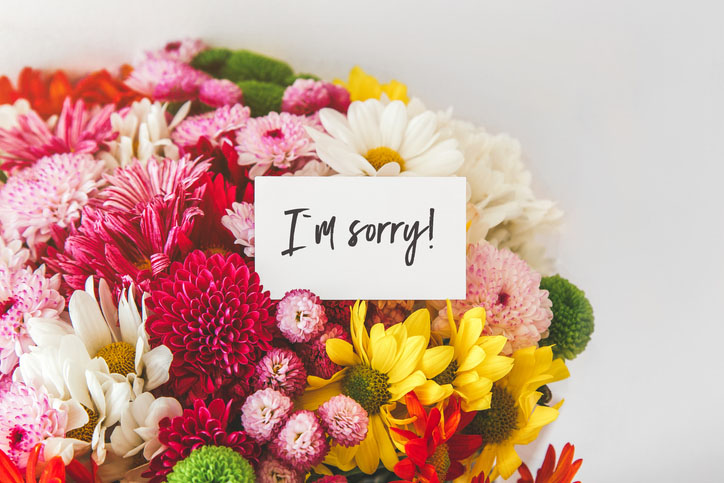
I’m So (Sorta) Sorry

The classic case of a “nonapology” apology is when the allegedly contrite offender says something to the effect of “I’m so sorry that you’re upset.” Note that the speaker doesn’t actually acknowledge doing anything wrong.

More news and opinions than at a Shabbat dinner, right in your inbox.