
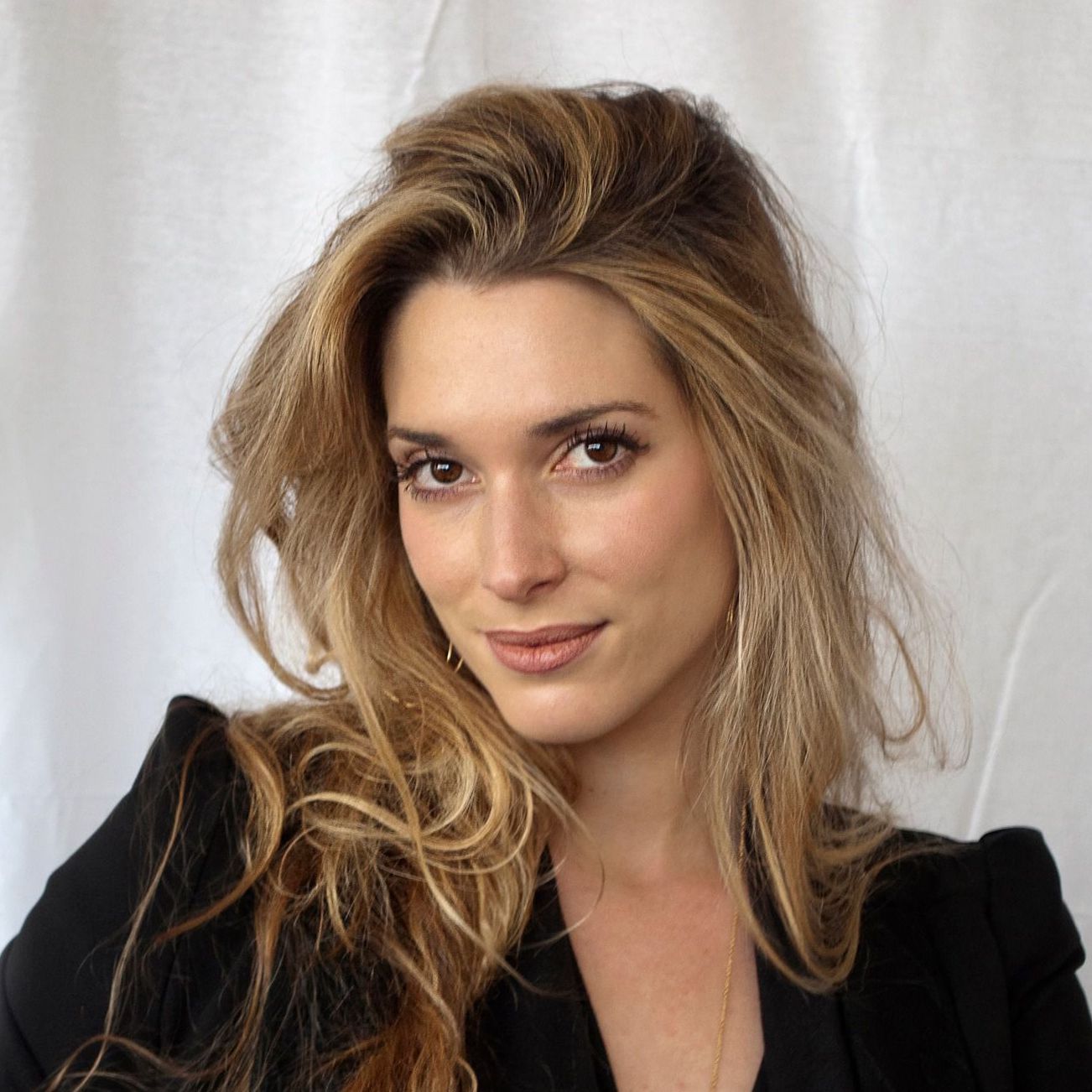
For 18 years, Harriet Zaretsky has been devoting her time to helping the abused, abandoned and neglected foster children that the rest of society tends to forget.
Beginning in 1996, she became a court-appointed special advocate with CASA of Los Angeles, serving as a case manager for some of the most troubled children in the foster-care system. Out of an estimated 28,000 children in foster care in L.A., CASA takes on approximately 800 cases each year that are deemed to be the most dire. “This program brings foster kids in, only when they’re failing,” Zaretsky said. “We’re dealing with the worst 30 percent of foster kids in L.A.” — meaning, the most vulnerable. In her role, Zaretsky acts as both an advocate and overseer, tracking individual cases from start to finish as children make their way out of broken homes and into the tortuous world of foster care.
“One of my first cases involved nine children,” Zaretsky recalled. “Their mother had a fourth-grade education, and they all had various challenges and medical issues — it isn’t always a happy ending. It isn’t always a happy life.”
Even though she is a licensed attorney, Zaretsky gave up a career practicing law to work full-time as a volunteer. The needs of the children are enormous, she said. As an advocate, she can offer some consolation, as advocates are often the sole consistent adult “anchor” in a foster child’s life.
“Children just move me,” she said.
The seed was planted in junior high, when Zaretsky volunteered for a local orphanage and became heartbroken at the living conditions there. “Growing up, I felt lucky, and I felt fortunate, and I saw too many children suffering,” she said. “So there’s a certain amount of appreciation you have, and then there’s this guilt: Why am I so lucky?”
In a cruel twist of fate, Zaretsky’s luck changed in the summer of 2007, when her teenage son, Dillon, was killed in a car accident before his senior year of high school. The tragedy irreparably altered her life, but she was compelled to respond to it: That year, she established the Dillon Henry Foundation, a nonprofit whose work reflects her son’s passions and values — surfing, the environment and global social justice. Each year, the foundation grants 10 college scholarships to deserving seniors from Dillon’s alma mater, Palisades Charter High School. It also subsidizes paid internships with the Surfrider Foundation and supports the work of Jewish World Watch, for which Zaretsky also serves on the board. Through the partnership with Jewish World Watch, Zaretsky established the Dillon Henry Community Health Clinic in the Central African Republic, which provides medical care to survivors of genocide.
And she shows no signs of slowing up anytime soon. With her 22-year-old daughter off at college in Colorado, Zaretsky decided to foster a 16-year-old boy two days a week. “It just seemed like the right thing to do,” she explained, “and I didn’t see any other way to really help him. There are interim periods in people’s lives when they could really use someone to be a help and support to them — because there are no homes for these kids.”
From her loss, a child gained — the boy has become “a part-time family member,” as Zaretsky described it, included in family vacations, holidays and other meaningful occasions.
“It was the only way to deal with the blow,” Zaretsky said of her son’s death. “If I wasn’t helping, if I wasn’t doing things that I think [my son] would be proud of, it wouldn’t work. At least by doing these things, I’m leaving a mark for him and for me. I want people to remember his name.”

































