fbpx

A Bisl Torah – Journey to the Promised Land

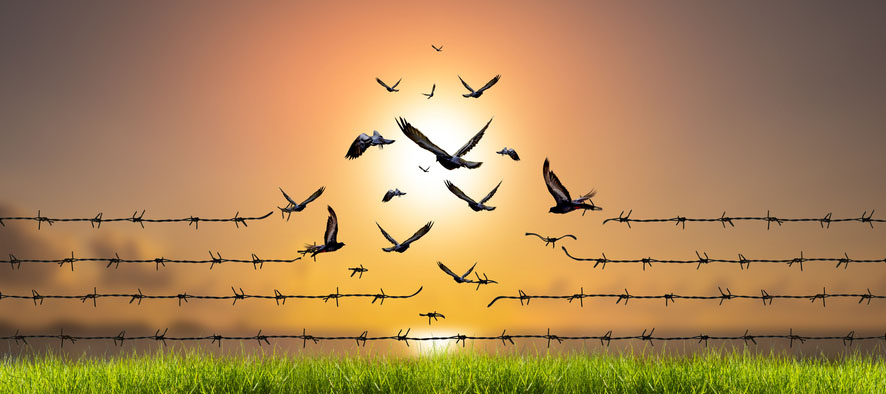
Although the journey is arduous and long, we too must believe freedom is coming.
[additional-authors]
April 4, 2024
Surasak Suwanmake/Getty Images

Of all the Jewish holidays, Passover requires the longest preparation. We clean our homes, kasher our kitchens, buy an obscene amount of food and design elaborate seder meals. There is an abundance of effort and exhaustion in the process of attaining “freedom.”

Perhaps, this is a minuscule step in understanding the historical journey of our people. Freedom was an effort filled, exhausting process. A mental and physical maze that felt impossible to escape. Imagine a Pharaoh that refused to let our people go, even after giving hints of relenting. Imagine a Jewish people that prayed day and night to live safely in the Promised Land?Imagine preparing for a meal in which you are a main character of the story, seeing yourself as an essential ingredient in the continuity of Jewish living?

An effort filled, exhausting journey that doesn’t feel far from what our people are experiencing today. Today, we pray for a “Pharaoh” to let our people go. We yearn for safety and freedom in our holy land. When we read the Haggadah, this year, it is easier to see ourselves as the ones that are trying to flee the narrowness of Egypt. The ones that urgently open the door for Elijah, anguished with wonder if peace will be achieved in our lifetimes.

But remember, at the end of the seder, we sing “Dayeinu.” A song of gratitude for leaving Egypt. An exultation for receiving the Torah and Shabbat. We cry with joy, “All of this would have been enough!” Because the taste of freedom is beyond glorious.

Although the journey is arduous and long, we too must believe freedom is coming. And when we “cross into the Promised Land”, we will sing. And undoubtedly, we will give thanks.

Shabbat Shalom


Rabbi Nicole Guzik is senior rabbi at Sinai Temple. She can be reached at her Facebook page at Rabbi Nicole Guzik or on Instagram @rabbiguzik. For more writings, visit Rabbi Guzik’s blog section from Sinai Temple’s website.


Did you enjoy this article?
You'll love our roundtable.

Editor's Picks

Latest Articles

Post-Passover Pasta and Pizza

What carbs do you miss the most during Passover? Do you go for the sweet stuff, like cookies and cakes, or heartier items like breads and pasta?

Freedom, This Year

There is something deeply cyclical about Judaism and our holidays. We return to the same story—the same words, the same questions—but we are not the same people telling it. And that changes everything.

A Diary Amidst Division and the Fight for Freedom

Emma’s diary represents testimony of an America, and an American Jewish community, torn asunder during America’s strenuous effort to manifest its founding ideal of the equality of all people who were created in the image of God.

More than Names

On Yom HaShoah, we speak of six million who were murdered. But I also remember the nine million who lived. Nine million Jews who got up every morning, took their children to school, and strove every day to survive, because they believed in life.

Gratitude

Gratitude is greatly emphasized in much of Jewish observance, from blessings before and after meals, the celebration of holidays such as Passover, a festival that celebrates liberation from slavery, and in the psalms.

Freedom’s Unfinished Journey

The seder table itself is a model of radical welcome: we are told explicitly to invite the stranger, to make room for those who ask questions and for those who do not yet know how to ask.

Thoughts on Security

For students at Jewish schools, armed guards, security gates, and ID checks are now woven into the rhythm of daily life.

Can Playgrounds Defeat Antisemitism?

The playground in Jerusalem didn’t stop antisemitism, and renovating playgrounds in New York City is not likely to stop it there, either — because antisemitism in America today is not rooted in a lack of slides or swings.

More news and opinions than at a Shabbat dinner, right in your inbox.