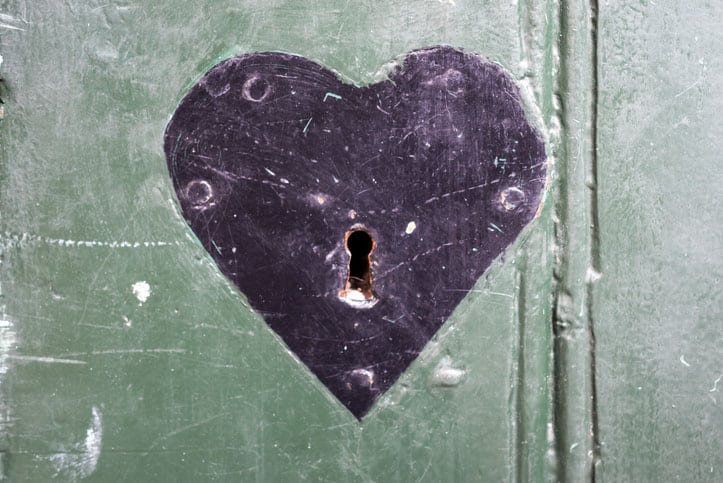
While the sukkah, lulav and etrog are common images associated with Sukkot, unlocked gates are just as central of symbols. As we reach the final stretch of the Sukkot festival, the seventh day receives a special name: Hoshana Rabba. Translated as: the great salvation. Hoshana Rabba serves as a bookend to Yom Kippur. The gates of repentance, compassion and mercy are considered unlocked until the end of this minor holiday.
We still work on Hoshana Rabba. Not a fast day nor celebratory feast. A longer morning service with additional prayers. But the lack of holiday gloss is significant. An almost average day with an urgent message:
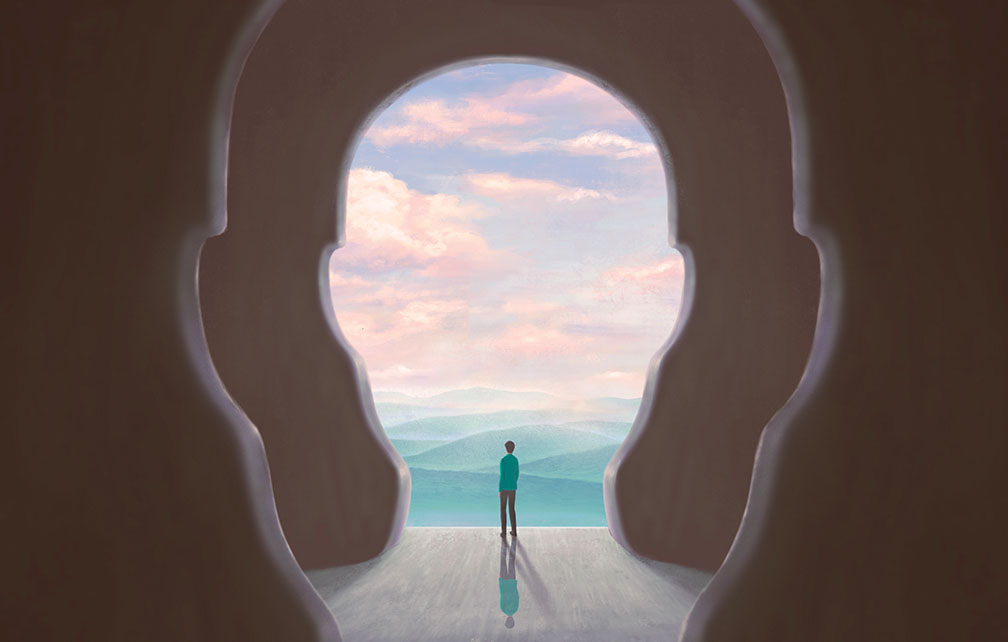
The gates of our hearts should never be locked. For those that seek our attention, let us be mindful of their presence. For those that seek our assistance, let us be open to their needs. For those that seek our love, let us take time to respond. And perhaps most of all, let our hearts be open to what it is we are seeking in a world that often feels closed, impenetrable, locked.
The High Holy Days are carved into the calendar to give us time to mend relationships and prioritize what is most important. But Hoshana Rabba reminds us, this introspection and soulful action is welcomed during the average days as well.
The gates are still open. And God is praying that we enter with hearts unlocked.
Shabbat Shalom and Chag Sameach
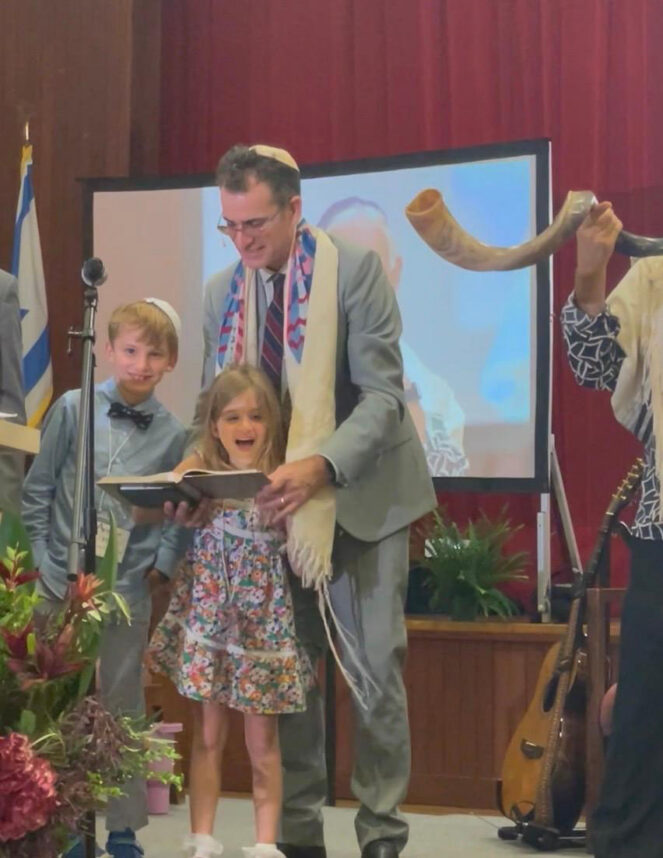
Rabbi Nicole Guzik is senior rabbi at Sinai Temple. She can be reached at her Facebook page at Rabbi Nicole Guzik or on Instagram @rabbiguzik. For more writings, visit Rabbi Guzik’s blog section from Sinai Temple’s website.