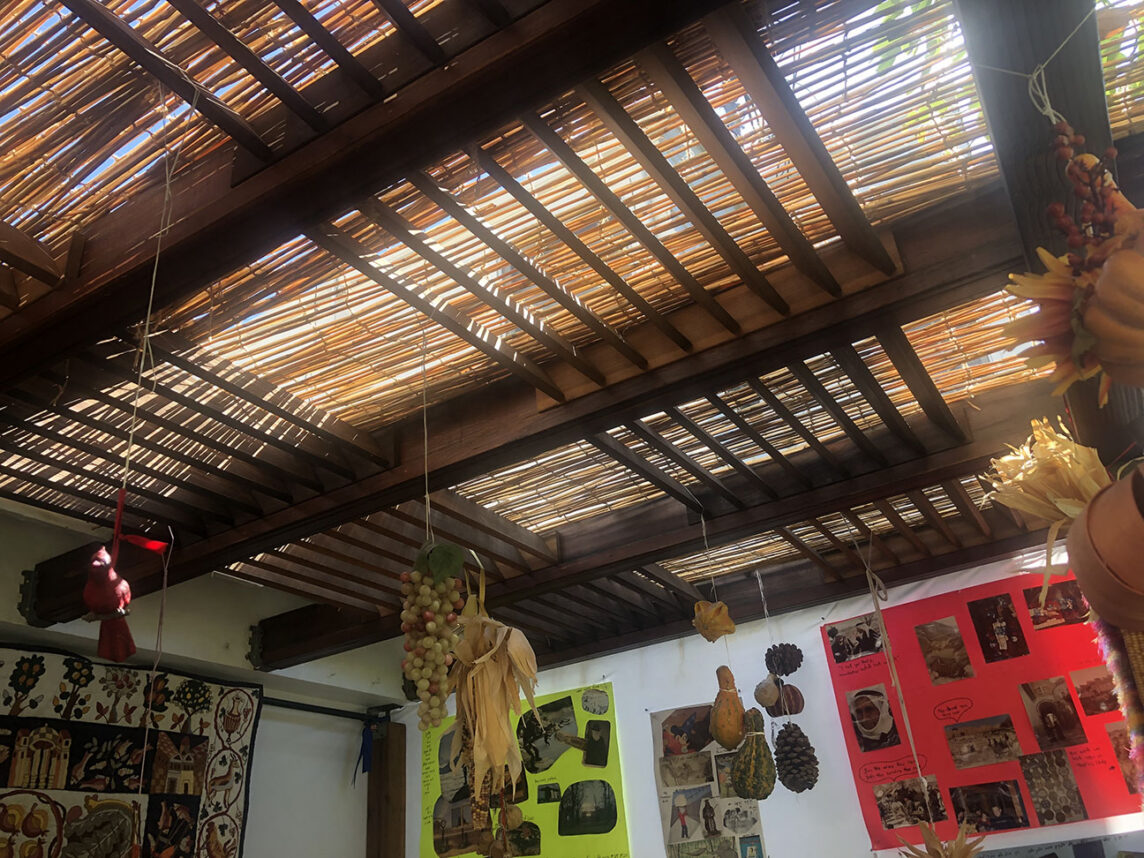

As I visit preschool classrooms and watch model seders, the prayer, “Dayeinu” is belted out, chanted with fervor and enthusiasm. Over any other Pesach tune, Dayeinu is clearly a childhood favorite. Perhaps it is because of the catchy melody. Perhaps because of the tradition of taking scallions, singing, and tapping the person that you find most annoying. Or perhaps because Dayeinu is the essence of the Passover holiday.
At first glance, one might think Dayeinu is a declaration that the Jews have had enough. Slavery? It’s enough! Under Pharaoh’s evil gaze? It’s enough! The horrors of life in Egypt? It is more than enough! But the verses convey a different message. God, you took us out of Egypt. That is more than enough. God, you gave us Shabbat. That alone is more than enough. God, you gave us the Torah. It is enough beyond imagination. God, you give and give and give.
Dayeinu is a song of thanks and Pesach is a holiday of gratitude.
We are designed to compare. We can’t help but wonder whether the person across the street is happier. We scroll Instagram and Facebook, curious about who is more successful and who is less. But Pesach begs us to stop. Dayeinu. What we have in our lives at this very moment is more than enough. Thank God for the blessings that sit within your hands. There will certainly be room to reach further, moments to ask, and time to inch higher. But for now, give thanks.
Dayeinu. Count your blessings. For what I have, I am grateful. It is more than enough.
Shabbat Shalom
Rabbi Nicole Guzik is a rabbi at Sinai Temple. She can be reached at her Facebook page at Rabbi Nicole Guzik or on Instagram @rabbiguzik. For more writings, visit Rabbi Guzik’s blog section from Sinai Temple’s website.