fbpx

Thousands of Arab Israelis march for Palestinian right of return

Thousands of Arab Israelis, including several Knesset members, demonstrated in favor of the Palestinian right of return, the first time such an event took place in the Negev.
[additional-authors]
May 12, 2016

Thousands of Arab Israelis, including several Knesset members, demonstrated in favor of the Palestinian right of return, the first time such an event took place in the Negev.

Wednesday’s demonstration came on the eve of Israel’s Independence Day, a date when Arab citizens of Israel mourn the plight of the more than 700,000 Arabs who lost their homes in the 1948 Arab-Israeli war. Palestinians also mark their losses on Nakba Day, which falls on May 15. Nakba is Arabic for “catastrophe.”

According to Haaretz, Wednesday’s rally near the Bedouin town of Rahat attracted thousands of people displaced from their original villages in Israel’s War of Independence. Several Arab lawmakers and leaders of the Higher Arab Monitoring Committee, which Haaretz described as the “unofficial leadership of the Israeli Arab community,” also attended.

The rally, where some people waved Palestinian flags, included a mass vow to support Bedouins at risk of being uprooted from unauthorized villages and to continue pressing for a Palestinian “right of return,” the idea that the descendants of all the original refugees be allowed to resettle in Israel. The right of return has been a sticking point in numerous Israeli-Palestinian peace talks, as Israel has argued that it would mean Israel would cease to be a Jewish state.

“What happened in the Nakba was a crime of slaughter and displacement, and it’s impossible to correct this injustice without ensuring the right of return,” said Mohammed Barakeh, head of the Higher Arab Monitoring Committee. “What’s happening today is clear. Israel is degenerating into an apartheid state, but still, the world praises Israeli democracy.”


Did you enjoy this article?
You'll love our roundtable.

Editor's Picks

Latest Articles

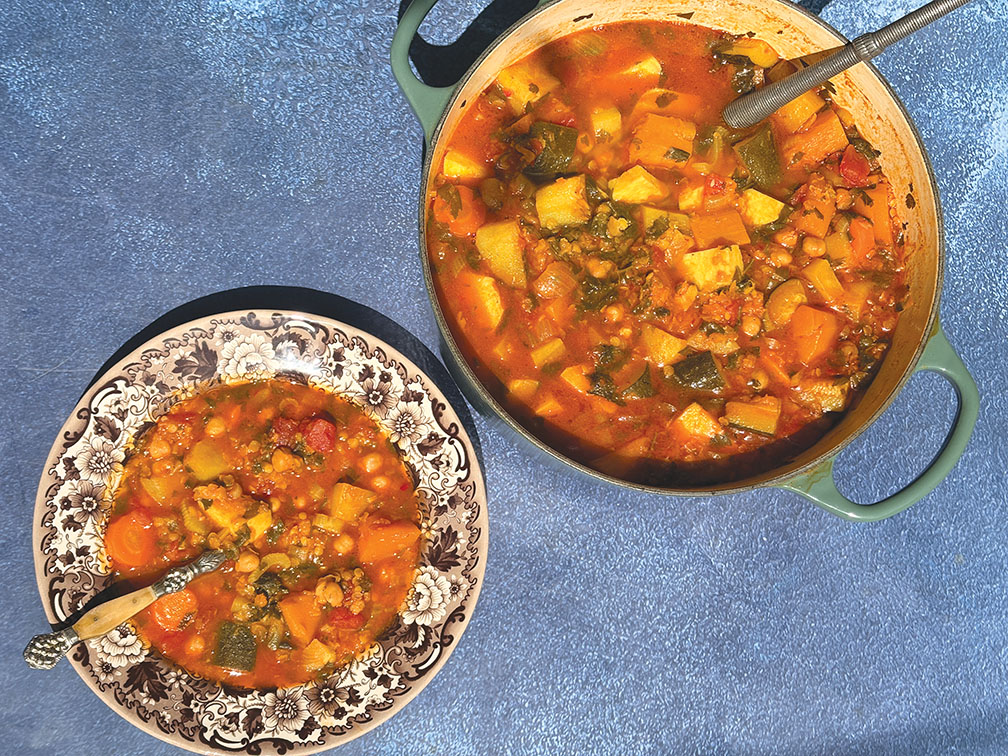
A Harira Hug in the Sukkah

I love making soup for this holiday because even if the days are still warm, the cooler evenings make you start craving something warm and comforting.

The Beat Goes On

While so much of the world seems obsessed with and consumed by its hatred of Israel and Jews, Israelis continue to build, create, work, celebrate, argue, raise families, and plan for the future.

Viral AI Video Targets Jewish Comedian

“The biggest concern is that people now have a pathway to shut down Jewish voices through complete falsities that people will believe. … For the future of Jewish entertainment, it’s very scary.”

Yiddish Historians: Writing in Their Own Language for Their Own People

Mark Smith has compiled an important anthology of Jewish history using 49 works by Yiddish historians to recreate or at least open the door to a world of Jewish thought that was once almost mainstream, but which no longer exists, except in the minds of too few specialists.

The Everlasting Melody

Most Jews who have sung “Eitz Chaim” over the past half-century probably never knew Portnoy. They did not know when he wrote the melody or how young he was when he composed it. They simply knew the song.

Who’s Really the Victim?

Those who would revel in Israel’s demise are claiming victimhood on every front and denying attacks on us in the same breath.

Biblical Deterrence

After Oct. 7, the sentiment in Israel toward the Iranian leadership was unequivocal: You went medieval — so we will go biblical.

How Sukkot Makes Us Whole

This year, I bless us that we open our eyes to truly see the beauty and the holiness of the world, and of the person before us at each and every moment, and to see the godliness of their aspirations and their fears.

The New Ushpizot

Ushpizin invite us to “welcome in our ancestral constellation and dwell amongst them.” This year, it’s Ushpizot, for the women. It’s the year of the Feminist Visitation.

Macklemore, Or Less

In between his songs, he proclaimed, “Free Palestine,” which is fine, asserted that opposing Israeli military actions is not antisemitic, which is accurate, and accused Israel of apartheid and genocide, which is offensive, untrue and hateful.

The Rokeach’s Remarkable Sukkah

To Rabbi Eleazar ben Judah of Worms (1176-1238), the medieval German pietist known as the Rokeach, the sukkah symbolized Jewish military might.

More news and opinions than at a Shabbat dinner, right in your inbox.