fbpx

Ashkenazi-Sephardic Strife and Israel’s New Shekels

[additional-authors]
May 1, 2013

You may have heard that Israel's Cabinet has authorized newly designed bank notes to be issued at the end of this year, despite criticism that the new bills feature only Ashkenazi Jews. The new green 50 shekel bill will feature famed poet Shaul Tchernichovsky, and the blue 200 shekel bill will have a portrait of Nathan Alterman on it.

Yesterday, I wrote an article for the IHT-NYT about this unnecessary (yet illuminating) controversy. You can read it in full here. Or just these few paragraphs:

Now the devil is appearing in the faces of our next shekels. The new bills are an unhelpful reminder that both early Zionism and early Israel were dominated by Ashkenazi Jews. One would be hard-pressed to find a 20th-century Sephardic poet of a stature comparable to those of the four who were selected.

Whether that’s because Sephardic poets were not as prolific, or because they didn’t get their fair chance at becoming prolific is a question for which there will never be an answer. Still, according to the economy and trade minister, Naftali Bennett, issuing new bills without representing Sephardics amounts to an unforced error. “There’s no reason to miss opportunities that could bridge that gap between different sectors,” Bennett said.

Prime Minister Benjamin Netanyahu has tried to quiet the controversy by proposing as his first pick for future bills the great poet rabbi Yehuda Halevi. That’s a telling choice: To come up with the name of a sufficiently significant Sephardic poet, Netanyahu had to go back almost a millennia. And as it is, we’ll have to wait 10 or 15 years to see his face on any new shekels.


Did you enjoy this article?
You'll love our roundtable.

Editor's Picks

Latest Articles

Who’s Really the Victim?

Those who would revel in Israel’s demise are claiming victimhood on every front and denying attacks on us in the same breath.

Biblical Deterrence

After Oct. 7, the sentiment in Israel toward the Iranian leadership was unequivocal: You went medieval — so we will go biblical.

How Sukkot Makes Us Whole

This year, I bless us that we open our eyes to truly see the beauty and the holiness of the world, and of the person before us at each and every moment, and to see the godliness of their aspirations and their fears.

The New Ushpizot

Ushpizin invite us to “welcome in our ancestral constellation and dwell amongst them.” This year, it’s Ushpizot, for the women. It’s the year of the Feminist Visitation.

Macklemore, Or Less

In between his songs, he proclaimed, “Free Palestine,” which is fine, asserted that opposing Israeli military actions is not antisemitic, which is accurate, and accused Israel of apartheid and genocide, which is offensive, untrue and hateful.

The Rokeach’s Remarkable Sukkah

To Rabbi Eleazar ben Judah of Worms (1176-1238), the medieval German pietist known as the Rokeach, the sukkah symbolized Jewish military might.

The Sukkah and the Power of Endurance

They can destroy our Temples, demonize us in social media, shower us with hate, but they can’t destroy a spirit that never stops building. That enduring spirit is the power of the sukkah.

NY Mag’s Habibi City

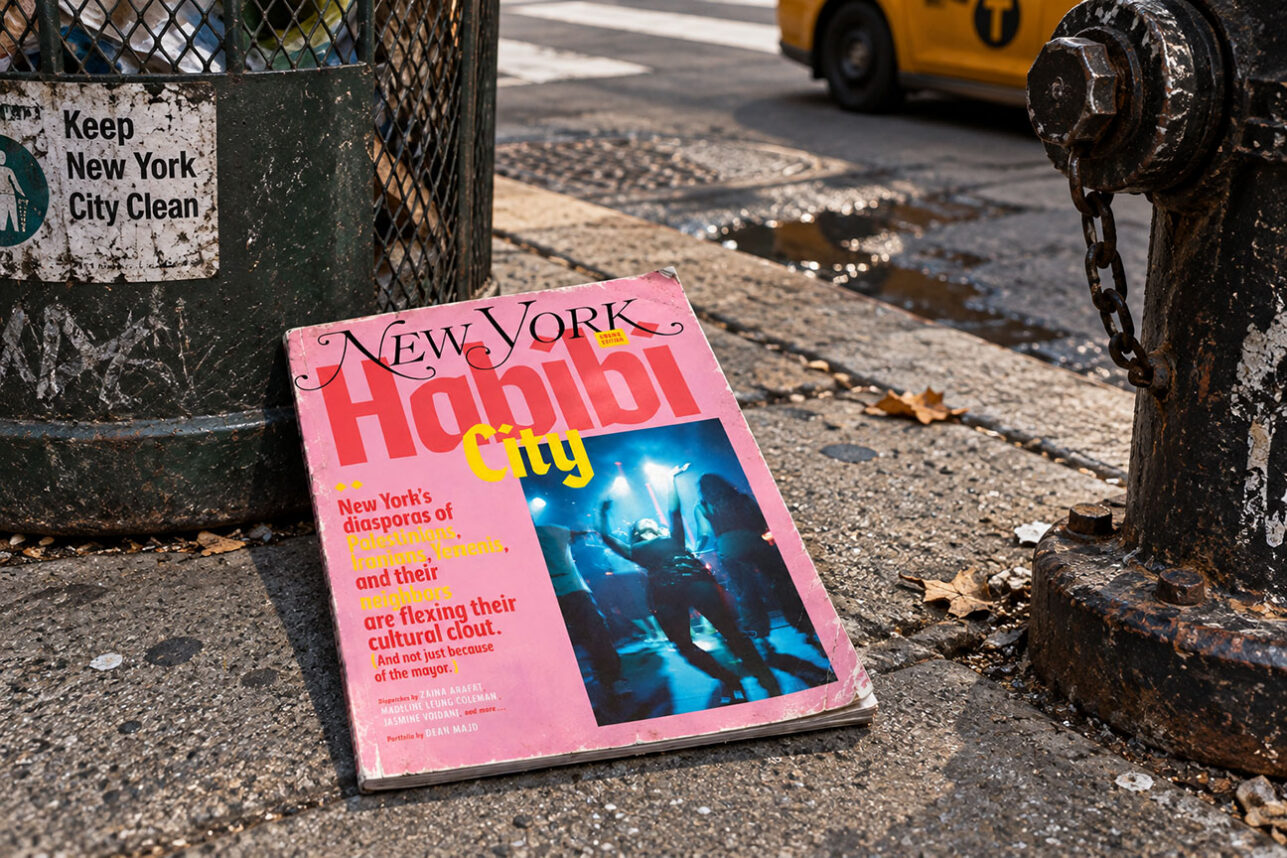
A satirical response to Zaina Arafat’s erasure of Jews in her New York Magazine article “Habibi City,” written as Zaina Arafat.

The ‘Fauda’ Enigma

In many of the nations that believe Israel has no right to exist and routinely root for terrorists to slaughter Jews, a TV show that depicts Israeli covert operatives outsmarting and dispatching Arabs has an inexplicably loyal global audience.

Jewish Democrats Cave to Anti-Semites

Those of us who are not of the Democrat politic party have believed that the Democrats have done little to stop the disease of Jew hatred from infiltrating their party.

More news and opinions than at a Shabbat dinner, right in your inbox.