fbpx

Karachi through the eyes of Singapore

[additional-authors]
July 12, 2012

I have not written for a while because I was away on the East West Center Jefferson fellowship to study urban solutions. I was away for a month with a group of 14 journalists from countries like Mongolia and Indonesia, places like Seattle and Atlanta, questions like what is the future for our megacities as they continue to absorb people.

Some journalists in Pakistan with the right connections are what some people call “conference whores” or fellowship junkies – they receive the invitations but instead of sending members of their teams who deserve the exposure, they hog them. I am happy to say that my editor, Kamal Siddiqi, at The Express Tribune and publisher Bilal Lakhani make sure everyone gets a fair chance.

That said, I turned down a lot of fellowships/scholarship/visits/junkets because they were all about terrorism blah blah. I don’t give a rat’s ass about terrorism because far more pressing urban problems exist. Violence in Karachi, yes, that worries me all the time. But even these issues are tackled by trying to find solutions for the city. Is the city a place where young men feel a part of the social fabric?

I jumped at this fellowship because it was not about answers but about questions – growing questions for me about Karachi, the city that I love. And I write this blog sitting at a Starbucks off Regent Street in London, a city I hate. Envy and hate. I hate all cities that have figured it out, how to serve their populations. And then I hate Karachi’s two main parties, the PPP and MQM, for NOT changing Karachi and instead fighting among themselves.

I learnt on my one month away from Karachi that the world has moved forward so impossibly far ahead that we are going to have a hard time catching up unless we really decide to alter our destiny. In Singapore, for example, the Jefferson fellows visited the city planning department and I realised that Singapore in the 1960s was Karachi in 2012. (See picture).

The fellowship studied waste management, transport systems, energy solutions in Hawai’i, Singapore, Guangzhou, Seoul, Songdo. And at the tail end of the trip I skipped over to Hong Kong with a friend to see how that city lived and breathed.

When you have lived in Karachi long enough something will happen to you. I am frustrated by my inability to articulate this phenomenon, but to put it crudely, your sense of up goes down and your sense of down goes up. I am reminded of Richard Farina’s great Beat classic ‘Been down so long it looks like up to me’. You lose hope that it will ever be better; despite all the tweets, all the platitudes, all the yapping on TV. We all feel hopeless deep down. We run around in circles with the same kind of rhetoric but in the end we all exit in survivalist mode.

Karachi is 20 million people and growing and the people in charge have completely ignored their duty to the city. We need to overhaul our mass transit, sewage and water systems – these are just three major ones (more on the others later). Before I went on the fellowship I was caught up with the idea that the government was trapped in a deadlock. Even if it wanted to make changes, like build the Karachi circular railway, there were squatters in the way. Trying to remove them would lead to protests, violence. Does anything happen in Karachi without violence? That is our new language.

But then, I learnt in Singapore that Lee Kwan Yew, its first prime minister, oversaw the transformation of the nation state from a relatively underdeveloped colonial outpost with no natural resources into a First World Asian Tiger. In China, and yes, you can laugh later, the central government decides on something AND IT IS DONE. I agree that this is a slippery slope. But I wonder if some sacrifices need to be made to save Karachi. Who will be Karachi’s Lee Kwan Yew?

That leader would have to take a decision to go ahead with the mass transit projects. The problem with the Karachi Circular Railway is that the government flubbed up with compensation to people in earlier projects in which land needed to be cleared. That was the Lyari Expressway Project, which sent people to far-flung wastelands like Scheme 33 and Taiser Town.

But now, the debate is, can the government go ahead with this mass transit despite resistance. After all the Japanese government is footing 93% of the bill. The time is now. If we don’t have mass transit our traffic jams will get worse, and the costs will rise each day economically.

(For more details see our latest on the KCR by Saad Hasan

Did you enjoy this article?
You'll love our roundtable.

Editor's Picks

Latest Articles

The Beat Goes On

While so much of the world seems obsessed with and consumed by its hatred of Israel and Jews, Israelis continue to build, create, work, celebrate, argue, raise families, and plan for the future.

Viral AI Video Targets Jewish Comedian

“The biggest concern is that people now have a pathway to shut down Jewish voices through complete falsities that people will believe. … For the future of Jewish entertainment, it’s very scary.”
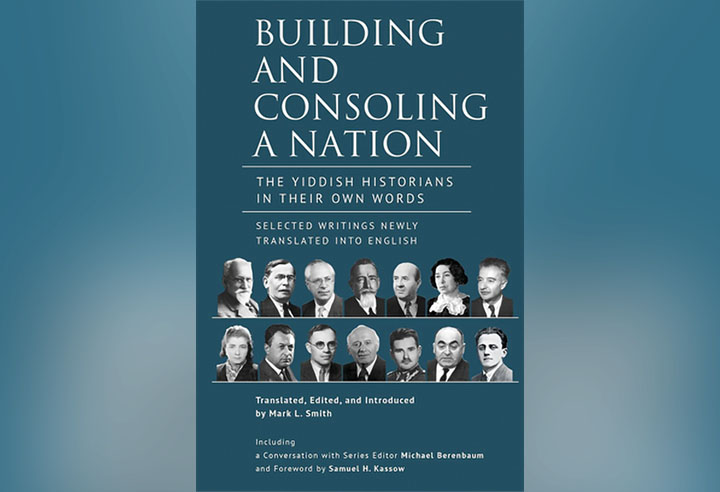
Yiddish Historians: Writing in Their Own Language for Their Own People

Mark Smith has compiled an important anthology of Jewish history using 49 works by Yiddish historians to recreate or at least open the door to a world of Jewish thought that was once almost mainstream, but which no longer exists, except in the minds of too few specialists.
The Everlasting Melody

Most Jews who have sung “Eitz Chaim” over the past half-century probably never knew Portnoy. They did not know when he wrote the melody or how young he was when he composed it. They simply knew the song.

Who’s Really the Victim?

Those who would revel in Israel’s demise are claiming victimhood on every front and denying attacks on us in the same breath.

Biblical Deterrence

After Oct. 7, the sentiment in Israel toward the Iranian leadership was unequivocal: You went medieval — so we will go biblical.

How Sukkot Makes Us Whole

This year, I bless us that we open our eyes to truly see the beauty and the holiness of the world, and of the person before us at each and every moment, and to see the godliness of their aspirations and their fears.

The New Ushpizot

Ushpizin invite us to “welcome in our ancestral constellation and dwell amongst them.” This year, it’s Ushpizot, for the women. It’s the year of the Feminist Visitation.

Macklemore, Or Less

In between his songs, he proclaimed, “Free Palestine,” which is fine, asserted that opposing Israeli military actions is not antisemitic, which is accurate, and accused Israel of apartheid and genocide, which is offensive, untrue and hateful.

The Rokeach’s Remarkable Sukkah

To Rabbi Eleazar ben Judah of Worms (1176-1238), the medieval German pietist known as the Rokeach, the sukkah symbolized Jewish military might.

The Sukkah and the Power of Endurance

They can destroy our Temples, demonize us in social media, shower us with hate, but they can’t destroy a spirit that never stops building. That enduring spirit is the power of the sukkah.
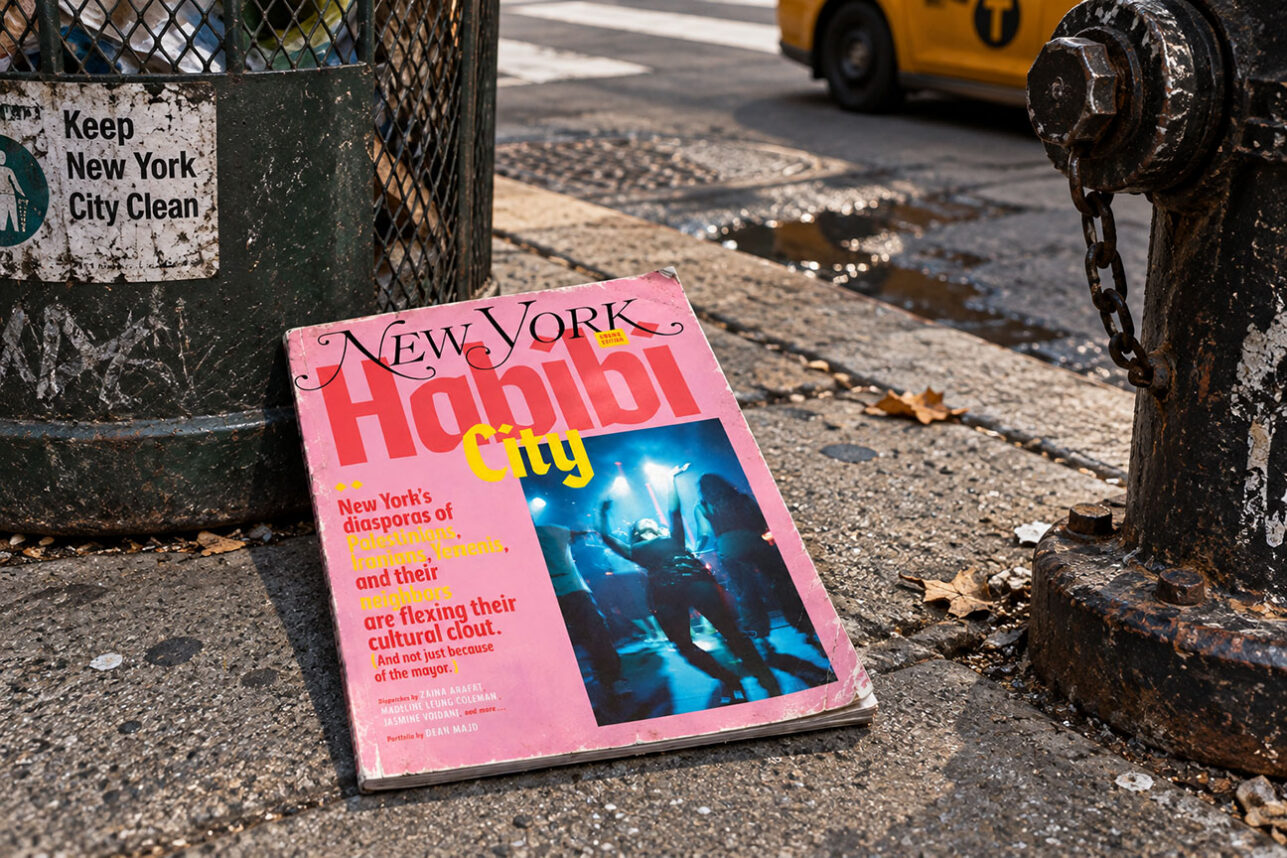
NY Mag’s Habibi City

A satirical response to Zaina Arafat’s erasure of Jews in her New York Magazine article “Habibi City,” written as Zaina Arafat.
The ‘Fauda’ Enigma

In many of the nations that believe Israel has no right to exist and routinely root for terrorists to slaughter Jews, a TV show that depicts Israeli covert operatives outsmarting and dispatching Arabs has an inexplicably loyal global audience.


More news and opinions than at a Shabbat dinner, right in your inbox.