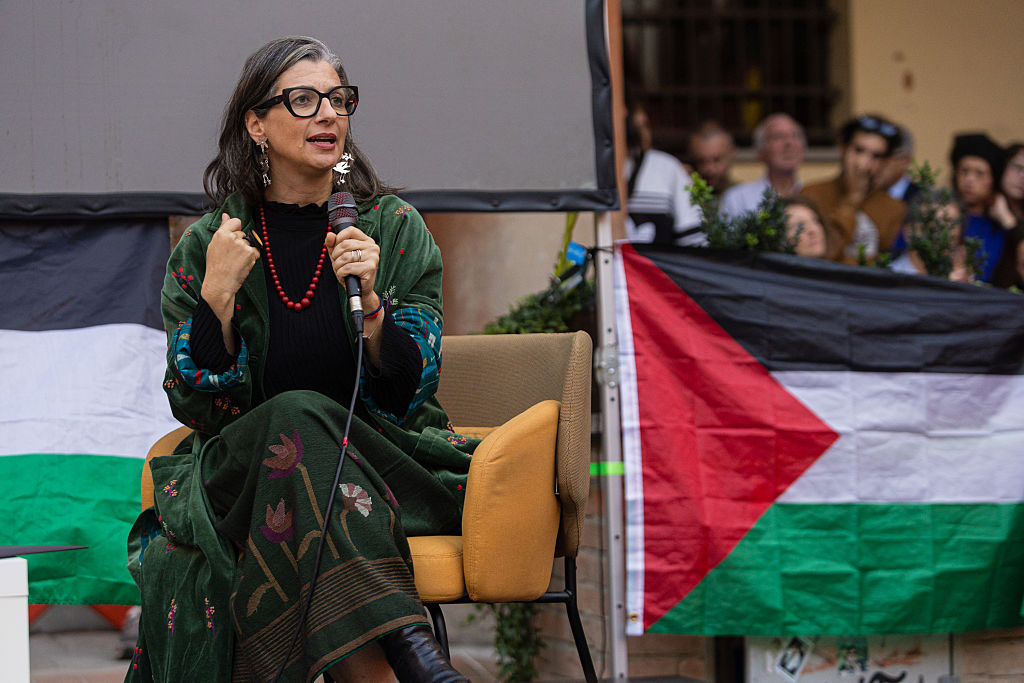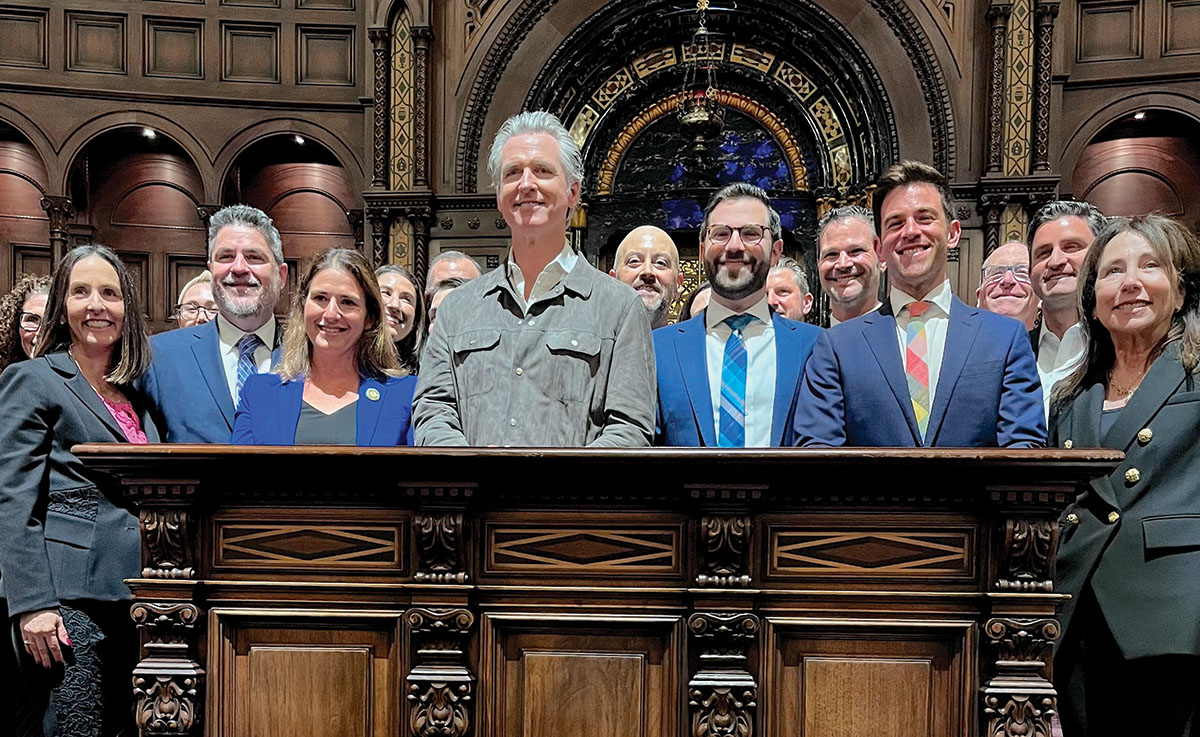
In the last year, 40,000 students from around the world, 80 percent from North America, participated in Birthright Israel trips. Last summer, 12 of them, members of the group If Not Now, staged a walkout on two Birthright trips. It was planned in advance. They signed up with the agenda of walking out, sharing the story on social media and creating controversy. Now, some five months later, the Los Angeles Times took the bait. In a front-page story, “Young American Jews spark Birthright Debate” (Dec. 5), they played up what they called a small movement among American Jews to protest Israeli policies by leaving Birthright. The Times did not tell the reader that this was far from a small movement. Rather it’s a sliver; some 12 students out of 40,000, just .0003 percent.
Yes, this group does have a few supporters, but this is not news. Ever since Israel was established 70 years ago, there has been an element of the Jewish community on the far-left opposed to its policies. In the 1970s, Breira and the New Jewish Agenda emerged, criticizing Israel’s policies when PLO terror was at its height. They were followed by Peace Now and others. If Not Now is just the latest incarnation of this political philosophy. It is carrying on the same ideas that have been championed by its ideological predecessors for decades. It’s old news.
Instead of turning to campus rabbis, leaders and professionals on the ground to give the Times more perspective, the writer seeks the viewpoints of community rabbis with little campus involvement. The Times highlights the views of Rabbi Sharon Brous, known for her criticism of Israel. The reporter also doesn’t explore the other criticisms of Birthright that I and others have, namely its refusal to give balance to the program by visiting Jewish settlements beyond the Green Line. Clearly, this seems more like agenda journalism than real reporting.
With a little gumshoe, the reporter could have discovered the biggest challenge facing Jewish students today. One of the leading campus professionals in the United States, Rebbetzin Rivkah Slonim, of Rohr Chabad Center for Jewish Student Life in Binghamton, N.Y., recently described the real threat of BDS: Jewish students who are “Bored, Disinterested and Satisfied.” Growing up with little Jewish education and weakening ties to Jewish community, feeling little motivation from outside threats of anti-Semitism or causes like the plight of Soviet Jewry to rally around, today’s students are increasingly disengaging from Jewish life. According to Slonim, the actual challenge is reconnecting these students to Judaism.
Campus rabbis and Birthright organizers say that there is a marked change among students today from those of 10 years ago. Then, they had a modicum of Jewish knowledge and were active in the community. Today’s students, says Rabbi Hirschy Zarchi at Harvard Chabad, come knowing almost nothing. Some feel sympathy for what they perceive are the victims, in this case, the “weak” Palestinians versus the “powerful” Israelis, but that percentage is not large. The real issue is that Israel and Judaism is not important to many Jewish students. One of the great successes of Birthright is that it has, in many cases, ignited that bond.
Assigning a reporter known for her excellent coverage of local news on such a complicated and nuanced story, the connection of American Jews to Israel, is clearly a major mistake. Inexperienced and lacking a depth on the real issue, the reporter and the Times has done all of us a major disservice. It’s absurd to claim that 12 students out of 40,000 walking out over a trip to Israel is sparking a major debate or signals a shift in the attitudes of American Jews toward Israel. There have always been students critical of Israel—that is not news. The real news is the disengagement of Jews from Judaism and Israel because of the lack of Jewish education and the strategies like Birthright that are changing that trend. Which the Times never even tried to discover.
Rabbi David Eliezrie, a former campus rabbi, is the president of the Rabbinical Council of Orange County. His email is rabbi@ocjewish.com.