fbpx

April 7, 2017

Lindy Hop puts swing in filmmaker’s step

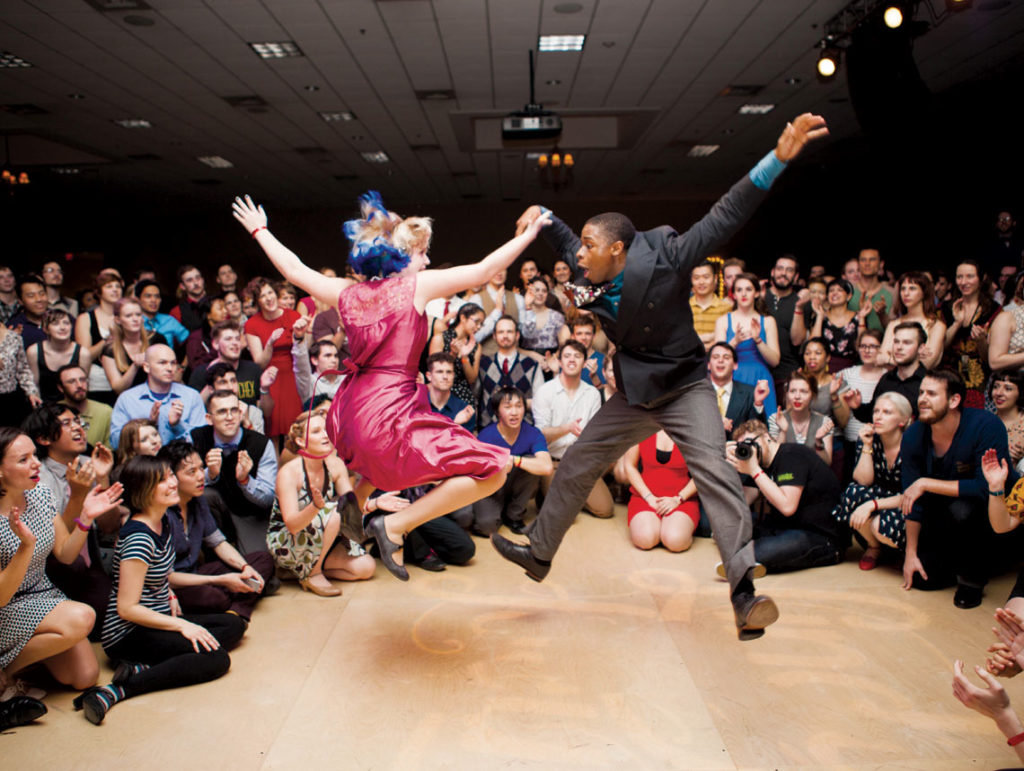
In the new documentary “Alive and Kicking,” the world’s renewed interest in the Lindy Hop — popularly known as swing dancing — is presented as more than a series of improvised steps; it’s a life-altering experience.

A former Marine named Augie, for example, discusses post-traumatic stress syndrome and how he couldn’t relate to people in his own country after he left the service — until he started going to swing dances, where he found an outlet, a purpose and a bond with other people.

“I came back [from Iraq] and I just wanted to kill myself,” he says. “And the dancing was a huge outlet for me — to see people doing all the crazy footwork and the aerials, doing the splits. They were dancing to this old-time music and dressed up in vintage clothes. That just blew me away, and I thought to myself, ‘If it takes me the rest of my life, I’m going to learn how to do that.’ And it gave me a reason to live.”

Filmmaker Susan Glatzer recalled, in a phone interview with the Journal from her home in East Hollywood, one point in her own life when she was the primary caretaker for someone who was suffering from cancer and dancing provided her with an important relief.

“I found that, if I could drag myself to a dance for two hours, I could smile and giggle and laugh and have fun,” she said. “It didn’t change my situation, but it changed my attitude, and gave me the strength and the wherewithal to keep going another day. And I discovered, as I started doing this film, that that was such a common occurrence. You change the names and the disease, but this was really something that people were using to keep themselves going.”

An exuberant dance done to jazz music, the Lindy Hop had its heyday during the Depression and World War II. Back then, it was an antidote to the angst of the era, but it was resurrected during the 1980s and has given rise to an international subculture.

Glatzer, a Lindy aficionado for almost two decades, said when she is doing this dance, the world disappears. “You’re not thinking — at least as the follower, I’m not thinking — you’re just feeling. You’re feeling the music, you’re feeling the way your partner’s interpreting the music, and then you interpret the music, and you just move together, and it’s a high. It’s truly a high, without being on drugs.”

The Lindy is mainly improvised, although it is built on a basic step called the swingout. The dancers’ hands are linked as they twirl away from each other and then snap back again, almost in an embrace. The more adventurous dancers add spins, tosses, overhead flips, slides between the partner’s legs and other acrobatic-style movements.

Social dancing is at the heart of the Lindy Hop, Glatzer said, and there are weekly dances at clubs and other community spaces in large cities, including Los Angeles. The dancers dress in vintage clothes, come with or without a partner, and dance with as many people as they can.

Glatzer added that there also are swing camps offering lessons, such as Camp Hollywood, which lasts for a weekend, or the camp in Herräng, Sweden, that goes on for five weeks.

“They usually have the top instructors from all over the world,” Glatzer said.  “That’s why our characters [in the film] are always traveling. They’re going to these big events. And, in the evenings, they’ll have social dancing, but then they’ll also have competitions or a performance. You might have a dance troupe. In that case, when you’re in a troupe, the dancing is choreographed.”

Created by African-Americans on the streets of Harlem, the Lindy was performed in several films of the 1930s and ’40s, among them “A Day at the Races” (1937), with the Marx Brothers, and “Hellzapoppin’ ” (1941). It spawned such dance stars as the late Frankie Manning and Norma Miller, still going strong at age 97, both of whom appear in “Alive and Kicking.”

“Norma talks about the Savoy Ballroom, which, back in the day, was the first ballroom in Harlem to integrate Black and white dancers,” Glatzer said. “At all the other ones, the dancers were the hired entertainment and the white people would dance. But when it became integrated, a lot of the white people who danced at the Savoy actually were Jewish. In fact, there was a woman and her partner, both of whom were Jewish, that were part of the troupe called Whitey’s Lindy Hoppers, but because things were so segregated, even in the North, they couldn’t travel with the troupe, and they weren’t in the movies with them, because they couldn’t show Black and white interaction.”

Glatzer, who is Jewish, said she had a very secular upbringing. “My father escaped the Nazis and came here when he was 3, with his family, and half my family died in the Holocaust. I think, out of that experience, he is sort of an agnostic or atheist. So we weren’t really observant. We belonged to a Reform temple. I was a Hebrew school dropout.”

But, she added, her father did believe she shouldn’t be working on the High Holy Days out of respect for what those holidays mean to her people. “My father does not believe in God — it’s not a God thing. It’s not religion. I think it’s more of an identity. It’s a heritage. And that’s why I feel so strongly that young Black kids need to see this movie, because that is their heritage. They own that; it belongs to them.”

Several of the older Black Lindy hoppers who appear in the film say that, unfortunately, the young African-Americans of today are not as involved in the Lindy’s revival as they should be.  They don’t realize that their community gave rise to this dance, which eventually faded from the scene when musical styles changed, the big-band era ended, and clubs that had large dance floors started to close.

As explained in the film, it wasn’t until the advent of videotape in the mid-1980s, when studios began rereleasing old movies on tape, that young people who were watching them became fascinated by Lindy hopping. There were also films made in the ’90s that focused on swing dancing, such as “Swing Kids,” as well as Gap commercials in which the dancing was prominent. The result is that the rediscovered Lindy has become a worldwide craze.

As for her film, Glatzer wants it to be more than just a history of the dance.

“I personally would love it if there are people who’ve never heard of the dance or the music that say, ‘Hey, I really like this music. I want to listen to more of it,’ or ‘Maybe I’ll take dance lessons.’ Obviously that would be great.

“But even if they don’t have that, I do feel that we are living lives of quiet desperation, and I would like people to consider whether they have a source of joy in their lives. If it’s not dancing, that’s fine, but find something that really gives you joy, because life is short — or, if it’s long, it’s really long if you don’t have joy.”

“Alive and Kicking” opens April 7 at the  Laemmle Ahrya Fine Arts theater in Beverly Hills, as well as on demand, Amazon Video and iTunes.

Lindy Hop puts swing in filmmaker’s step Read More »

The symbolism of sacrifice

Parashat Tzav (Leviticus 6:1-8:36)

Today, we think of Moses Maimonides (1135-1204) with frank admiration, but during his lifetime and after his death, he sparked one of Judaism’s angriest disputes. The so-called “Maimonidean Controversy” came to a head in 1232, when Dominican friars in France burned copies of his “Guide for the Perplexed” — allegedly at the urging of Jewish leaders.

These extreme measures represented a rejection of, among other things, Maimonides’ willingness to read Scripture figuratively, rather than literally, which offended many pious Jews.

For example, Maimonides describes the regimen of Temple sacrifices in the “Guide for the Perplexed” as idolatrous practices, repackaged for the sake of monotheism: God “transferred to His service that which had formerly served as worship … of things imaginary and unreal.”

In other words, Maimonides views sacrifice not in a favorable way but rather in a patronizing way. God commanded it, only because our small-minded, idolatrous forebears simply couldn’t imagine any other way to worship.

In truth, one could forgive the comparison of Israelite sacrificial rites to pagan ones. The Temple priests sacrifice “a tenth of a measure of choice flour with a quarter of a hin of beaten oil mixed in, and a libation of a quarter hin of wine for one lamb” (Exodus 29:40). Meanwhile, the “Iliad” describes a sacrifice to Apollo in similar terms: “When they had done praying and sprinkling the barley-meal … they killed and flayed [the cattle], cut out the thigh-bones … laid them on the wood fire and poured wine over them.”

So we can see why Maimonides felt the need to explain the pagan roots of Israelite worship. How much more help do we, who are even further removed from the biblical text, need? Who among us spontaneously connects with the strange and troubling rituals of this week’s portion, Tzav? If anything, taken on its own terms, Tzav seems to have nothing to do with Judaism as we experience it.

Our portion details the special clothes of linen designed for an isolated class of priests, who offer animal (and other) sacrifices reported to sate God with their “pleasing odor” (Leviticus 6:8). Moses then installs his brother in the priestly role, by smearing the animal’s blood on Aaron’s thumb, big toe and ear lobe (Leviticus 8:23), in a scene that most of us simply never read.

These Temple rites presuppose a relationship with God that feels inauthentic to most of us today, which is to say that most Jews simply do not believe that a priest bridges heaven and earth by spilling the blood of animals.

To be fair, we adjust for some degree of foreign-ness in the text. We accept that Torah comes down to us over millennia, from a distant land. And even so, we are willing to seek out meaningful themes, such as sin and peace (also translated as “well-being”), which are embedded in the names of the sacrifices themselves.

Still, how many of us believe in that God? How much easier to connect with Abraham, who talks God down from the impulse to destroy Sodom! Narrative passages of moral courage and the struggle with the Holy One depict a divine-human partnership that appeals to the modern mind. We derive value from metaphor, creative tension and morality tales. But, by and large, we balk at the literal spirit of raw “because-I-said-so” obedience and the collective atonement of blood-drenched sacrifice.

How then, can we connect to Tzav?

Perhaps we can connect, not to Tzav but to our tradition around Tzav. What if we join Maimonides and commune around our religion’s unease about the Temple sacrifices? We’re in good company, and Maimonides was not the first to be troubled by the sacrifices. Jewish discomfort stretches as far back as the Bible itself, when Israel still practiced these rituals.

Some of the prophets challenged these practices on the grounds that sacrifices missed the point: “I have sought lovingkindness, not sacrifices; knowledge of God, not burnt offerings” (Hosea 6:6). And if the prophets early on noticed the risk posed by sacrifices — the risk of dislocating moral obligation with a ritual act — then the rabbis were quick to pick up the argument.

Consider the passage from Jeremiah, which the rabbis pointedly designated as the haftarah for Tzav, as if to counterbalance it: “You might as well add your burnt offerings [which are not meant to be eaten] to your other sacrifices and eat the meat! For when I freed your fathers from the land of Egypt, I did not speak with them or command them concerning burnt offerings or sacrifice” (Jeremiah 7:21-22).

No sooner did our tradition enshrine animal sacrifice than our leaders turned around and questioned it. Admittedly, to judge by the comments of the rabbis and the medieval philosophers, no easy answers were to be found. Fortunately, however, our sages have taught us that ownership of our tradition does not reside in the stagnant repetition of sacred text. Lively, committed and multilateral debate about Torah, together with its repetition, sanctifies that ownership, generation after generation.


JOSHUA HOLO is dean of the Hebrew Union College-Jewish Institute of Religion, Jack H. Skirball Campus in Los Angeles.

The symbolism of sacrifice Read More »

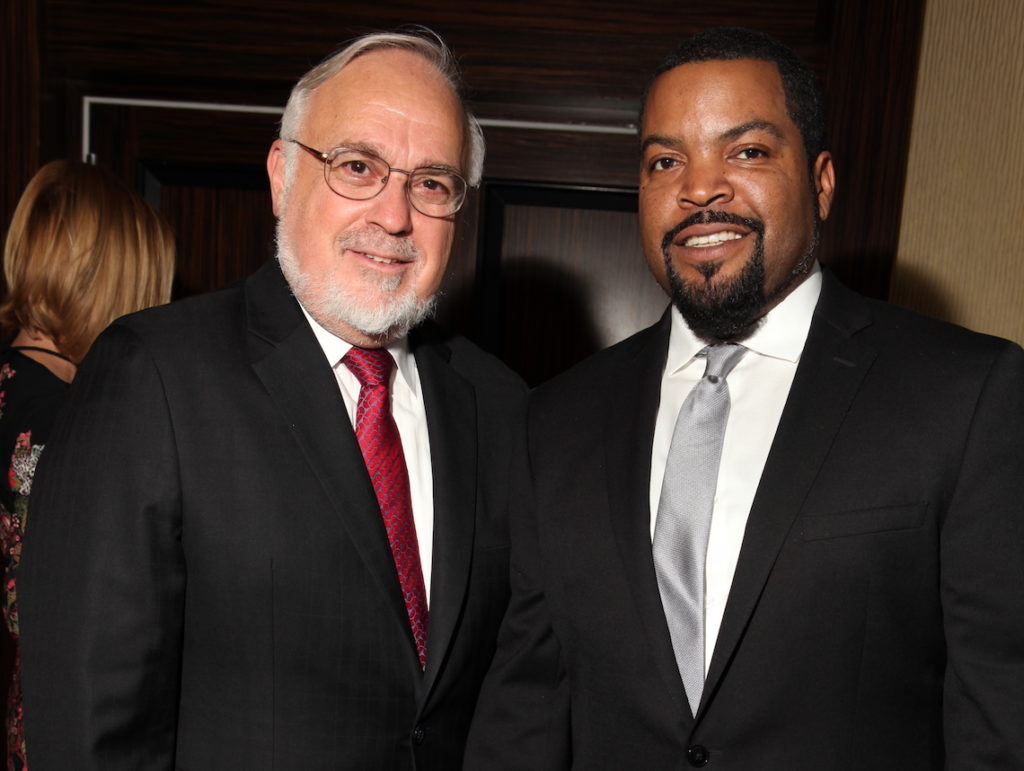
The rapper and the rabbi: Ice Cube and Rabbi Abraham Cooper heal old wounds

Ice Cube, the well-known rapper and actor, was about the last person anyone might have expected to emcee the recent Simon Wiesenthal Center/Museum of Tolerance 2017 National Tribute Dinner.

It wasn’t so long ago that Cube and the Center had a nasty feud over lyrics to a 1991 song that some interpreted as anti-Semitic.

Yet there he was at an event on April 5 at the Beverly Hilton to honor Ron Meyer, vice chairman of NBC Universal, who had requested that Cube — real name, O’Shea Jackson — lead the festivities.

“It was an opportunity to close a circle that was a long time in the making. “We did a schmooze before the event,” said Rabbi Abraham Cooper, associate dean of the Wiesenthal Center, who was embroiled in the controversy with Cube at the time.

The song at issue, “No Vaseline,” had called out Jerry Heller, the manager of the Cube’s rap group, N.W.A., before Ice Cube started a solo career.

Cube blamed Heller, who was Jewish, for problems that had befallen N.W.A.

“It’s a case of divide and conquer, ‘cause you let a Jew break up my crew.” Cube rapped on “No Vaseline,” which drew immediate condemnation from the Simon Wiesenthal Center.

Cooper responded, “We’re not asking Ice Cube to mask the reality of the streets. By all means flag the social problems, but don’t exploit them by turning a professional spat between a former manager and an artist into a racial dispute.”

“I respect Jewish people because they’re unified. I wish black people were as unified,” Cube shot back.

Cooper and Cube took their back-and-forth to television screens, appearing on the “Oprah Winfrey Show.”

“The last time [we saw each other] was spending an hour-plus on the set in Chicago with Oprah and back then in those days, the early Oprah days, we were more like guests in the middle of a lion’s den,” Cooper said in a phone interview this week. “It was a very raucous crowd.”

Cooper told the Journal he’d never been a fan of rap music – he said he was “from a generation before.” He described himself as more of a “Four Seasons guy.”

It was possible, he said, he had been too hard on Cube due to his lack of understanding of what informed his lyrics, adding that their “interaction [at that time] was right at the beginning of that stuff,” when people did not think rap music had any kind of cultural future.

“He was claiming at the time, and I think he probably was correct, that there was an authenticity to his anger,” Cooper said. “He was reporting from a different part of the planet.”

The rapper and the rabbi: Ice Cube and Rabbi Abraham Cooper heal old wounds Read More »

Trump and the cry of Syria’s children

“Childhood is the kingdom where nobody dies,” poet Edna St. Vincent Millay wrote.

Tell that to the children of Syria, the kingdom where everybody dies.

The once beautiful country, full of history and antiquity, culture and cuisine, is now a cemetery. Six years into a bloody civil war that has claimed the lives of hundreds of thousands of innocents, the world is once again faced with the images of dead and suffering children. 

This week, we saw horrifying scenes of children screaming for their dead parents and parents screaming for their dying children. We saw dozens of children lying dead on the floor. Babies, infants poisoned. We saw their bloodied faces, their foaming mouths, their desperate, disconsolate eyes and learned that they died choking on gas, and we couldn’t look away.

There’s something about helpless, powerless children that inspires even the most puerile grownups to act like adults. 

“That attack on children yesterday had a big impact on me — big impact,” President Donald Trump said after the chemical attack on the Syrian village Khan Sheikhoun killed dozens. “It crossed a lot of lines for me. When you kill innocent children, innocent babies … that crosses many, many lines, beyond a red line.”

For the children of Syria, “red line” has become synonymous with empty promise. President Barack Obama had his “red line” but he may as well have drawn it in pencil; our spineless Congress eventually erased it. Who would have thought, then, that RealDonaldTrump, king of inconsistencies and erraticism, would draw his own red line? 

Trump isn’t exactly known for his political fidelities or his values — but if there’s anything that matters to him besides himself and his business empire, it’s his family. The images of devastated children struck a chord with the father-in-chief and inspired him to act like the commander-in-chief.

We were warned Trump would be unpredictable — and is he ever. 

After prodding Obama not to act in Syria, then blaming him for not acting enough, Trump defied his critics and even some of his friends on April 6 by launching a targeted airstrike on the Syrian airfield from where the chemical attack was launched.

He did not hesitate to name and blame Syria’s Mad King, President Bashar al-Assad, for the attack, much to the dismay of his reputed bestie Vladimir Putin. While Assad’s Russian enabler tried to obfuscate the facts, deflecting his own bloodguilt and calling for an “investigation,” President Trump, for once, told the truth.

“Assad choked out the lives of helpless men, women and children,” Trump said during a White House announcement. “It was a slow and brutal death for so many. Even beautiful babies were cruelly murdered in this very barbaric attack. No child of God should ever suffer such horror.” 

Across the world, another playground bully was horrified by the attack and joined Trump in unequivocal condemnation.

“There’s no excuse whatsoever for the deliberate attacks on civilians and on children, especially, with cruel and outlawed chemical weapons,” Israeli Prime Minister Benjamin Netanhayu said. His statement earned a swift rebuke from Putin, who called his accusations “groundless.”

In risking the wrath of the Russian leader, Trump was so grateful for Netanyahu’s support of the first military action of his presidency that his vice president, Mike Pence, called Netanyahu to thank him. Israeli President Reuven Rivlin declared the United States “an example for the entire free world.”

At a time when Trump’s approval ratings are dismal and he doesn’t have the success of “The Apprentice” to tuck him in at night, the praise must feel delicious. In launching a strike, Trump also risked alienating his base — and chief adviser Steve Bannon — whose anti-globalist motto “America First” means that even dying children must come a distant second. War is expensive, they argue, but so is protecting the first lady in absentia from the White House and the president’s $3 million trips to Mar-a-Lago to play golf.

Perhaps the president feels just a little bit guilty that the children choking on sarin gas are the same children he tried to block from seeking refuge in the U.S. with his incendiary travel ban. 

Now that his paternal instincts are kicking in and Trump must balance the needs of the world’s children with the needs of his own children, he might look to Pirkei Avot, Ethics of the Fathers — he can easily borrow it from his son-in-law, Jared Kushner (who famously kept a copy in his real estate office).

Im ein ani li, mi li? If I am not for myself, who will be for me?

U’kh’she’ani le’atzmi, mah ani? If I am only for myself, what am I?

The children of Syria don’t care about Trump’s promise of “America First.” They don’t care about the world’s tightrope walk around Russia. Or about Iran’s malevolent intentions toward Sunnis and the State of Israel. They don’t care who are their allies and who are their enemies, or even whose plane it was that dropped the poisonous gas that burned up their lives. 

The children of Syria care only about one thing: that this conflict ends.

V’im lo ’akhshav, eimatai? And, if not now, when?


Danielle Berrin is a senior writer and columnist at the Jewish Journal.

Trump and the cry of Syria’s children Read More »

Community Passover seders

MON | APRIL 10

“King Solomon’s Table” Seder

Chef Akasha Richmond will prepare a Passover feast and seder to celebrate Joan Nathan’s new cookbook, “King Solomon’s Table.” Served family style, the first course features various salads and spiced fried matzo. For the main course, you can choose between braised short ribs, double-lemon roast chicken or Richmond’s eggplant bake with almond ricotta. There also will be side dishes and fried artichokes (Jewish style) to accompany dinner. Passover food rules will be followed strictly and the dinner is “kosher style,” containing no dairy. Officiated by Rabbi Laura Owens, B’Nai Horin. 6 p.m. $95; $45 for children younger 12. Reservations required. AR Cucina, 9531 Culver Blvd., Culver City. (310) 558-8800. arcucina.com.

Wilshire Boulevard Temple Adult Seder

Join Rabbi Susan Nanus and Cantor Seth Ettinger for a musical seder followed by a Passover meal (wine included). Older children and teens are welcome. 6:30 p.m. $40; reservation required. Wilshire Boulevard Temple, Irmas Campus, 11661 W. Olympic Blvd., Los Angeles. (213) 388-2401. wbtla.org/adultseder.

Chabad of Toluca Lake

Enjoy a gourmet Passover seder that is interactive for the whole family. Share and hear meaningful discussion while enjoying a four-course meal and international wines. All are welcome to join, regardless of Jewish affiliation or background. 7 p.m. $40; $20 for children. Chabad of Toluca Lake, 4912 Strohm Ave., North Hollywood. (818) 308-4118. chabadoftolucalake.com.

Chabad of Ventura

“Relive the Passover Exodus” with Rabbi Yakov and Sarah Latowicz. Enjoy a seder with a gourmet kosher brisket Passover meal paired with a variety of kosher wines from Herzog Wine Cellars and authentic, handmade shmurah matzo from Israel. The event will feature an abridged (but traditional) seder, fully illustrated and colorful haggadah in Hebrew and English, contemporary spiritual messages and songs. All are welcome to join this community seder, regardless of Jewish affiliation or background. 7:30 p.m. Suggested donation of $54, $26 for children younger than 10. Nobody will be turned away for lack of finances. Pierpont Racquet Club, 500 Sanjon Road, Ventura Beach. chabadventura.com.

For more Chabad Passover events, visit chabad.org.

Jem Community Center

Relax as you relive this festival of freedom and take a journey through the haggadah with traditional songs, stories and spiritual insights. Enjoy a gourmet Passover dinner, original handmade shmurah matzo and four glasses of kosher wine. Everyone is welcome and nobody will be turned away due to lack of funds. 8 p.m. Second night seder at 8 p.m. April 11. $60; $30 for children. JEM Community Center, 9930 S. Santa Monica Blvd., Beverly Hills. (310) 772-0000. jemcommunitycenter.com.

TUES | APRIL 11

Hollywood Temple Beth El Sing-Along

Enjoy a kosher meal and the telling of the Exodus story in song at “Some Enchanted Pesach Seder.” Sing along to parodies of music from Disney movies and by Stephen Sondheim, the Beatles and Adele. Kosher for Passover. 6 p.m. $80; subject to availability. Hollywood Temple Beth El, 1317 N. Crescent Heights, West Hollywood. (323) 656-3150. htbel.org.

Temple Etz Chaim Family Seder

Enjoy a seder with the family led by Rabbi Richard Spiegel and Chazzan Pablo Duek. 6:30 p.m. $55; $32 for children ages 6-12; $20 for children ages 3-5. Temple Etz Chaim, 1080 E. Janss Road, Thousand Oaks. (805) 497-6891. templeetzchaim.org.

Community Passover seders Read More »

Calendar: April 7-13

FRI | APRIL 7

ENTERTAINMENT AND MEDIA NETWORK SHABBAT

Celebrate the end of the week with Young Adults of Los Angeles, tasting wines and food while welcoming the start of Shabbat. 7 p.m. $36; tickets available at eventbrite.com. The Blending Lab, 7948 W. Third St., Los Angeles. yala.org.

SAT | APRIL 8

“WAYNE NEWTON: UP CLOSE AND PERSONAL”

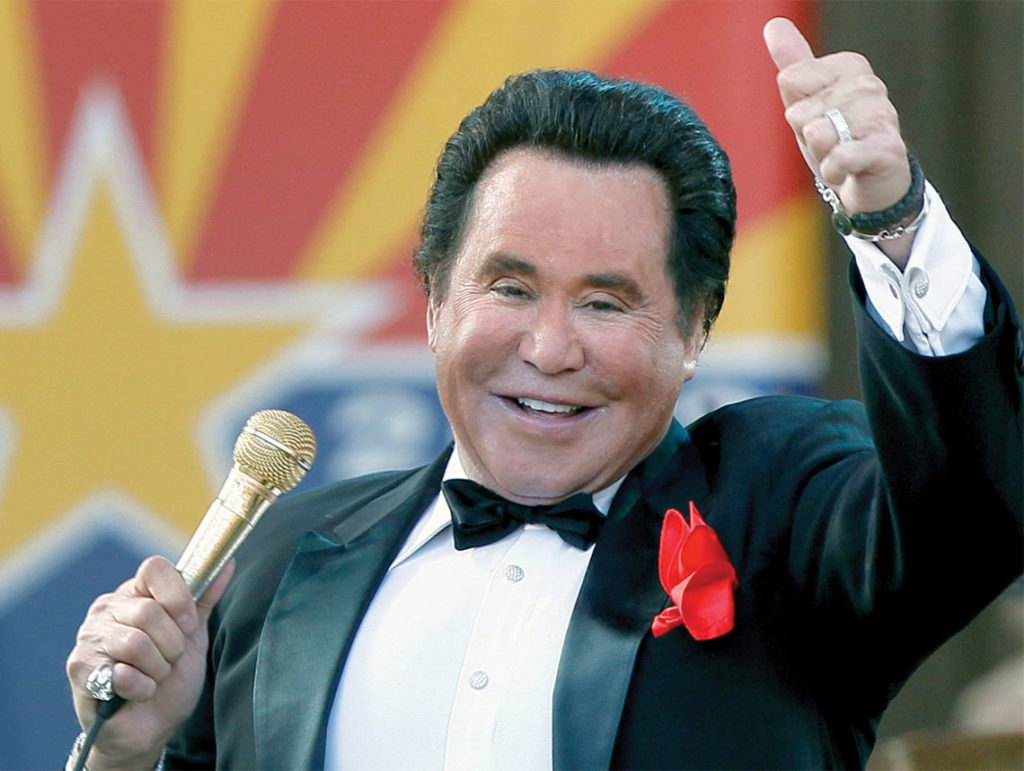
Wayne Newton makes his return to Beverly Hills with his new production, “Wayne Newton: Up Close and Personal.” The entertainer known as “Mr. Las Vegas” will sing crowd favorites including his signature hit, “Danke Schoen,” interact with the audience and play an assortment of instruments. The opening set will be by modern adult-contemporary/smooth jazz artist and songwriter Carly Robyn Green. 8 p.m. $38; tickets available at tikly.co/events/1856. Saban Theatre, 8440 Wilshire Blvd., Beverly Hills. sabanconcerts.com.

REBBESOUL HAVDALLAH CONCERT

International recording artist RebbeSoul is back in the United States from Israel with his unique blend of ancient and modern music. Come enjoy an evening of music, storytelling, noshing and mingling with the community. 8:10 p.m. $25; tickets available at eventbrite.com; $29 at the door. Address given upon RSVP, Santa Monica. (310) 430-9864. holisticjew.org.

SUN | APRIL 9

PASSOVER FAMILY ADVENTURE AND FUN DAY

Travel back in time to biblical Egypt and relive the Exodus. Watch the Ten Plagues come to life in the Land of Egypt (aka Shemesh Organic Farm), meet animals at the Pinat Chai Animal Center, bake matzo on the open fire, make charoset in the “Jamba Jews” Bike Blender, and enjoy games plus arts and crafts. The day will be filled with activities, snacks and a kosher lunch. 10 a.m. $10; free for kids 6 and younger; tickets available at eventbrite.com. Shalom Institute, 34342 Mulholland Highway, Malibu. (818) 889-5500. shalominstitute.com.

GENEALOGY RESEARCH DAY

Need help finding a genealogical record or a ship manifest? Do you know what sources to use? Or do you need family documents translated? Yiddish, Russian, German, Polish and Hebrew translators will be on hand to help answer your questions in an event hosted by the Jewish Genealogical Society of Los Angeles. Sessions include Barbara Algaze on genealogy research at the Family History Library and a Q-and-A on DNA topics moderated by Brock Shamberg. 12:30 p.m. Free for members; become a member at the door for $25 (or $30 per family). Los Angeles Family History Library, 10741 Santa Monica Blvd., Los Angeles. jgsla.org.

WED | APRIL 12

PASSOVER CLEANSE

Join Netiya for a six-day Passover virtual cleanse that features a daylong retreat on April 16 in Sherman Oaks. Instead of a week of eating heavily processed foods full of additives, sugars and salt, you can choose to join Neitya for a virtual cleanse that includes daily prompts with nutritional and health tips, emotional and spiritual probes and quotes, Passover Torah and optional daily conference calls for support. Includes a suggested menu of vegetables, fruits, nuts, seeds, soups and teas. Participants will pot and take home edible plants, sing freedom songs and close with a mikveh. netiya.org.

THURS | APRIL 13

BLACK AND JEWISH FOODWAYS

Michael Twitty, the acclaimed African-American Jewish food writer and culinary historian, will explore race, culture, food, faith and history through what he calls “Kosher/Soul.” Twitty will share his personal journey and discuss the experience of being both African-American and Jewish. The 8 p.m. event will feature a sampling of recipes from his forthcoming cookbook, “The Cooking Gene: A Journey through African-American Culinary History in the Old South.” 2 p.m., free; 8 p.m., $20, $15 for members, $10 for students. Skirball Cultural Center, 2701 N. Sepulveda Blvd., Los Angeles. (310) 440-4500. skirball.org.    

Calendar: April 7-13 Read More »

Open Space on Fairfax offers sketch comedy, music shows and a cafe

When Itamar Ravid learned that the Bang Comedy Theatre on bustling Fairfax Avenue was up for lease, he jumped at the opportunity. The native Israeli and kibbutznik already owned a roofing company, but wished to expand his portfolio and give back to the arts scene in Los Angeles.

“I always wanted to have a place that could host a community and be a place for people to get together for some good times and shows,” he said.

A little over two years ago, he extensively remodeled the theater, adding a café to the front of the building. He renamed it Open Space and hired Jonathan Klein, a former stage actor, as his managing partner. The two began to offer performers the opportunity to rent the place for their shows while also giving some local organizations a home to hold gatherings. 

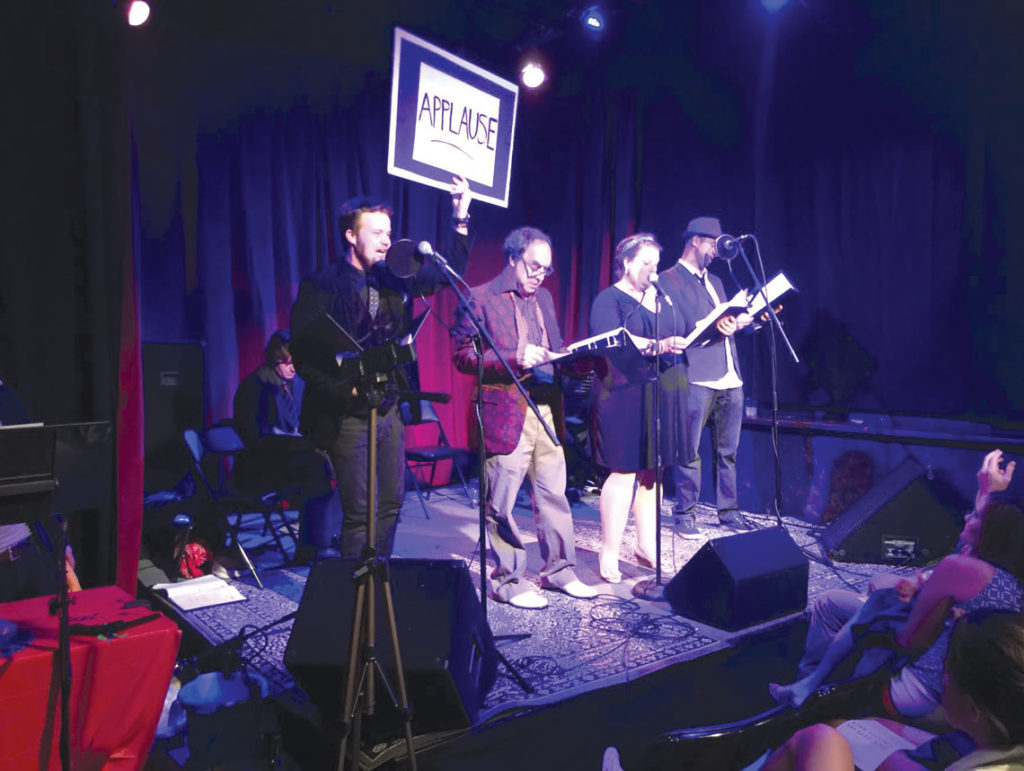
Today, Open Space has blossomed into a full-fledged performance and arts venue, hosting about 30 comedy, improv, storytelling and music shows, live podcasts and film screenings per month in the 50-seat venue.

Some regular shows include “The Variety Hour,” which is a night of stand-up and sketch comedy as well as music and “Hammer(ed) Time Storytelling,” which features comedians and storytellers talking about why they don’t drink green beer anymore. During “Shoot ’Em Up,” the audience, over the course of several shows, watches people tell stories onstage, hears them as film scripts and then view films inspired by the stories.

The eclectic schedule is Klein’s taste. As long as showrunners are excited about what they do, he’ll give them a platform. “I like all the genres,” he said. “What gets me passionate is seeing the follow-through that some of these young performers possess. We feed off each other’s passion.”

The theater makes a small profit through its paid rental agreements, Klein said. The fees to rent the theater vary based upon the type of show and what the performer can pay. Klein and Ravid also allow people to use the stage for free during the day to work out material as long as the theater is not booked.

The Open Space theater is fully equipped, providing a full backline of instruments and gear for musicians, creating a plug-and-play situation for them. The space has a state-of-the-art public address system, a projector with a 127-inch screen, stage lighting and video and audio recording capability, according to Klein, who founded the Young Writers Project and taught teenagers playwriting for 13 years while he also acted.

“What gets me passionate is seeing the follow-through that some of these young performers possess.” – Jonathan Klein, Managing Partner of Open Space

The café promotes every show, displaying fliers for them in the front of the building as well as on a digital screen outside, and the organization posts about them on social media and their email lists. “I’ve created a culture of service for the artists, since I was one for 25 years,” Klein said.

Lauren Howard Hayes, who has been running a monthly sketch show now called “The K-Lo Sketch Show” at the theater since January 2016, said the environment at Open Space is welcoming for performers. “We had our initial meeting with Jonathan and instantly fell in love with his energy and professionalism. Everyone he employs, whether it’s the people at the front serving you coffee or the people taking tickets, is really professional and excited to be there.”

A co-host of the show, Katie Elsaesser, said that all of her interactions with Open Space have been positive. “There are so many theaters in L.A. that aren’t the best locations. This is a clean, beautiful space with really dedicated people that provide a great overall experience.”

Open Space is home to acting classes on the weekends, meetings of the Mid-City Neighborhood Council homeless outreach program, and Alcoholics Anonymous (AA) gatherings six days a week. The show “Hammer(ed) Time Storytelling” sprang out of the AA meetings. It includes stories about drinking and drugging and things that the members don’t do anymore.

While AA is charged a nominal rent, Klein lets the group utilize the theater for “Hammer(ed) Time Storytelling” at no extra charge. He also has donated the space to meetings for Theatre of NOTE, a nonprofit theatrical company, and the Downtown Women’s Center in Los Angeles, and held a free screening of the presidential debates during the presidential campaign.

The café side of Open Space features two-person tables, pieces from local artists on the walls, free-WiFi and a menu that is inspired by international cuisines.

The café serves a breakfast Vietnamese-style banh mi with eggs, lettuce and meat; a Havana sandwich with Black Forest ham, Swiss cheese, pickled gherkins and Cuban mustard spread; and an Italian-style sandwich called “Et Tu Brute,” which comes with heirloom tomatoes, mozzarella, basil oil and seasonal greens. The coffee is sourced from Matador Coffee Roasting Co. in Flagstaff, Ariz., but sometimes Klein will serve coffee from local roasters.

Two and a half years ago, it was no easy job for Ravid to completely rework the building he leased and make it an entirely new business. However, he said, it’s been worth it because of what he and Klein have built.

“I come into Open Space and I see it’s full and that more and more people are stopping in. They come to see a show and get some coffee on the way. It’s like a baby that you nurture in the beginning and now it’s almost on its own. It’s grown.” n

Open Space on Fairfax offers sketch comedy, music shows and a cafe Read More »

Tips and tales from a seasoned seder leader

What kind of leadership style works best for a seder? During a period when we are experiencing a shake-up in national leadership, you may want to re-examine the relationship that exists between leader and participants at the Passover meal.

Though seder leaders and participants are not elected, there is still a seder mandate that governs your relationship: Everyone present — the wise, the wicked, the simple, and even the one who does not know how to ask a question — are all involved in the evening’s proceedings.

Attending a Passover seder remains an “extremely common practice” of American Jews, according to Pew Research Center, with approximately 70 percent participating. Despite its broad mandate, however, meaningful seders rarely function as true democracies. The seder is a complicated undertaking with symbolic foods, actions and storytelling, and on this night that is different from all others, the call is for an assertive leader who can guide a tableful of guests through a sea of ritual needs.

Since Passover is an eight-day holiday of freedom, and the seder a celebration of the going out from Egypt, you may think the people are clamoring for a democratic free-form kind of dinner — from chanting the kiddush to singing “Chad Gadya.” But after leading a family seder for more than 30 years, my experience has been that if I give everyone a free hand to comment and question, and the seder runs long, revolution erupts, with the guests vigorously chanting “When do we eat?” And if I try to rule the table with an iron Kiddush Cup, my poll numbers plummet, especially among the restless, 20-something contingent that starts texting madly under the table, presumably plotting a resistance.

Defying typical political alignment, I have found that on the nights when the seder works — when most every question has been asked, and tradition and innovation have been shared — my style of leadership has fallen somewhere between being a benevolent dictator and a liberal talk-show host.

I say “benevolent dictator” because it is part of the leader’s job to find a way for everyone to retell the Passover story and ultimately exit the slavery of Egypt — even though they may not necessarily feel the need. Going around the table urging guests to share the reading is one way, and calling up guests beforehand to discuss and assign a specific section of the seder is another. Especially for whomever is going to lead the Four Questions — at our table, usually the youngest who can read Hebrew — it helps to ask them personally beforehand rather than springing the task on them on the night of the seder. Such quiet lobbying helps reorient one from being an audience member into one, as the haggadah says, who can see themselves as if they had left Egypt.

As “liberal talk-show host,” I get that the haggadah is filled with questions that must be questioned as well. I once opened a seder by asking, “What does it mean when the haggadah says: ‘Let all those who are hungry come and eat with us?’ ” Especially in a year such as this one, when even benign conversation is abuzz with politics, there are going to be varying responses, from the bitter, like maror, to the sweet, like charoset.

At the time, you may not think that these opposing points of view are what binds together a seder, but recall that in the haggadah, when the five rabbis are sitting in Bnei Brak telling and interpreting the story of the Exodus, each has something different to add, and it is the whole of their interpretations taken together that heightens our understanding of the text.

Those not leading but participating in the seder, don’t think that you are off the hook in setting its tone. In his book “Keeping Passover,” Ira Steingroot points out that being a seder guest “doesn’t mean that you have to be the life of the party or a maven (authority), and you certainly do not want to monopolize the conversation, but you have a role to play in the drama of the seder.” In fact, it is your responses and feelings that determine whether everyone at the table makes it past the plague of ennui. To aid in that quest, be sure you are following along, asking questions and responding to the leader’s prompts.

I have also learned that regardless of leadership style — some of us are like Moses pointing the way, others are more like Miriam, leading through interpretation and song — you will still need to do your homework. Steingroot’s book is a great source, as well as “Passover: The Family Guide to Spiritual Celebration” by Ron Wolfson with Joel Lurie Grishaver, and “A Different Night: The Family Participation Haggadah,” by David Dishon and Noam Zion.

Taking my own advice, a few nights before our first encounter with all things matzo each year, I go through the haggadah and annotate, searching for my afikomen: a way to connect the story of traveling from slavery to freedom to the lives of my guests. One year, I held up a Passover chocolate bar and referred to it as “the bean of our affliction,” calling attention to the children who are sometimes exploited to harvest cacao beans and as a way to discuss if we, too, were participating in slavery.

This year to provoke discussion, before we open the door to Elijah, I plan to ask guests to imagine what would happen if the prophet, as we imagine him — a robed and perhaps turbaned man from the Middle East — was detained at airport customs. n

Tips and tales from a seasoned seder leader Read More »

In praise of the simple son

Of course I wanted to be the wise one.

Like most young nerds, I relished the opportunity to read from the haggadah about the son who asks his father the meaning of all the commandments, laws and practices — even down to the law of the afikomen. Recently, the wicked son has become popular — challenge the establishment, speak truth to power, yada yada yada. So much so that many haggadot describe him as the rebellious son, an evocative but not-fully-accurate translation.

But the simple son? Who cares?

Rarely has a major figure in Jewish liturgy been so misunderstood — the son’s simplicity is actually a form of wisdom.

Let us begin by considering his description in Hebrew: tam. Tam can mean simple in the intellectual sense, but it does not need to. It can mean just innocent; in the Talmud, an ox that has never gored anyone is referred to as tam. And just as often, it means something closer to “pure” or even “perfect.” The infamous Red Heifer that is to be sacrificed and its ashes to be used for the purification of the impurity of the dead must also be tamimah (Numbers 19:2-3).

It’s more than animals. The prayer Tziduk Ha-din, said at every Jewish funeral, declares that all the works of God are “perfect” — Tamim. This is not a liturgical accident. In “The Guide for the Perplexed, Maimonides refers to God as “He who is without matter and is simple to the utmost degree of simplicity” (I, 58).

What is so perfect about simplicity? And thus, what might be so perfect about the simple son?

Well, let us recall that the sons ask questions. And the simple son asks the most perfect question of all: What is this? That might seem simplistic, but if we think about it for a moment, the simple son is trying to determine the essence of the Pesach celebration.

The Greek philosopher Archilochus remarked that “the fox knows many things, and the hedgehog knows one big thing.” Playing off of this, the 20th century British political theorist Isaiah Berlin divided the history of Western thought into two categories: hedgehogs, who view the world through the lens of a single defining idea (examples: Plato, Lucretius, Dante, Pascal, Hegel, Dostoyevsky, Nietzsche, Ibsen, Proust), and foxes, who draw on a wide variety of experiences and for whom the world cannot be boiled down to a single idea (examples: Herodotus, Aristotle, Erasmus, Shakespeare, Montaigne, Moliere, Goethe, Pushkin, Balzac, Joyce).

If we think about it for a moment, the simple son is trying to determine the essence of the Pesach celebration.

The wise son is the omnivore, the fox. He asks, “What is the meaning of all the laws, statutes and commandments of Passover?” We are supposed to tell him everything, down to the smallest details.

The simple son, on the contrary, is the hedgehog. Put another linguistic emphasis on his question: What is this? What is the essential meaning of this?

On my third date with the woman who is now my wife of 13 years, and who is not Jewish, I was explaining to her about the differences between Jewish denominations, and how I never felt fully comfortable in any of them. Then she stopped me and said: “So why is it so important to you? What does it mean to you?” That forced me to think and reflect in a way I never had before. (We got engaged eight months later). It was the simplest question — and the most perfect.

Often, the most perfect questions are those that are the most simple, because they get to the essence of the issue. (This is why Maimonides said that God is perfect, and thus simple: God’s essence is existence, he is completely incorporeal, and God cannot be compared with anything in our world — although fully understanding this is for another time).

If the simplest question is the most profound, however, the rabbis present us with an equally profound irony in the answer that one is supposed to provide to him: “With a strong hand the Almighty led us out from Egypt, from the house of bondage.” This response does not answer the question. The Almighty did not lead us out of Egypt. God led our ancestors out of Egypt. Yes, we are supposed to act as if we personally were liberated from bondage, but why? Why does that help? Is it even possible? What is it supposed to make us do, or feel, or experience? What is this?

Is this interpretation overly generous to the simple son? Hardly; it will be familiar to anyone who has parented a preschooler. At some age — usually around 3 or 4 — the child starts to ask “why?” about everything. Providing an answer simply will generate another “why?” In one of my few successful parenting exercises, I resolved to continue to answer these questions until my daughter got tired of it. But I found it to be very enlightening, not least because the series of “whys?” very often got me to the point where I could not answer the question. I didn’t know.

And not infrequently, when I said I didn’t know, my daughter would ask, “Why?” Why didn’t I know it? Because I had never thought about it deeply enough. What is this?

Thinking it through deeply challenges us: Why do we do this? Why is it important to us? How is it supposed to change us? How does it define and redefine our commitment to God and the Jewish people? We cannot answer these questions in one seder, or one Pesach, or perhaps one whole year. They demand an accounting and understanding not only of our souls, but of our relationship to our people. That takes a long time. Sometimes, often, usually, the simplest questions are the most complex.


Jonathan Zasloff is professor of law at UCLA, where he teaches, among other things, property, international law and Pirkei Avot. He is also a rabbinical ordination candidate at the Alliance for Jewish Renewal.

In praise of the simple son Read More »

How to Jew: Passover

BACKGROUND

Passover, or Pesach, is the holiday during which Jews celebrate their liberation from Egyptian slavery. It lasts for eight days, from the 15th of Nissan to the 22nd, with the first two days and last two days traditionally being full-fledged holidays during which no work, aside from cooking, is permitted.

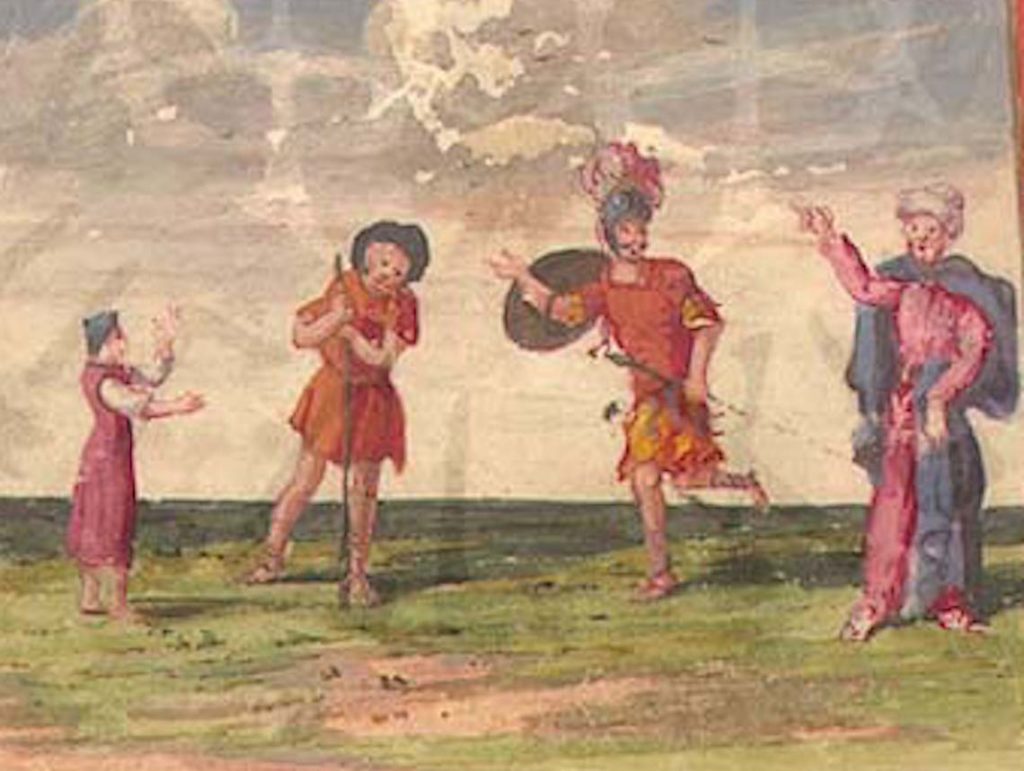
The Exodus from Egypt came about after God sent Moses to warn Pharaoh to free the Jews after generations of bondage. When Pharaoh refused, God punished Egypt with 10 plagues: Water turned into blood, frogs crawled from the water to cover the land, lice and other biting bugs rose out of the dust, flies swarmed, livestock became diseased, the Egyptians suffered boils, hail stormed down, locusts covered everything, the sky was dark for three days and, finally, all the firstborn Egyptians died. To save their firstborns, the Jews marked their doors with lamb’s blood so God would “pass over” their homes.

After the 10th plague, Pharaoh expelled the Jews from Egypt. The Jews left so quickly that the bread they were baking did not have time to rise. 

TRADITIONS

To prepare for Passover, we traditionally clean our homes of all the chametz, or leavened grain. The night before Passover, it is customary to do a search for chametz in the home with a candle, feather, wooden spoon and bag. On the morning before Passover, all the chametz is burned. The chametz that cannot be disposed of can be sold to a non-Jew until the holiday ends.

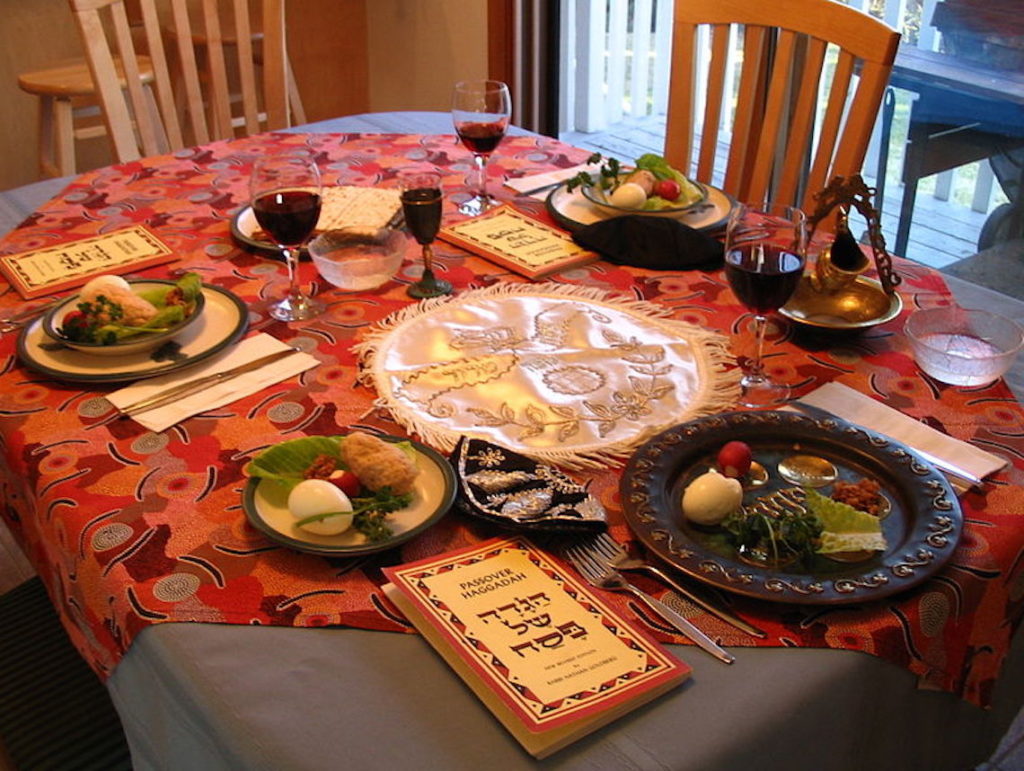
On the first two nights of the holiday, we hold feasts known as seders (literally, “order”). During these festive meals, we follow a particular order as we take turns retelling the Passover story, reading from our haggadahs. We eat matzo to commemorate the unleavened bread the Jews made while escaping Egypt, and we drink four cups of wine or grape juice to celebrate our freedom. An extra cup, known as Elijah’s cup, is left untouched, in honor of the prophet whose reappearance will signal the coming of the Messiah.

SPECIAL FOODS

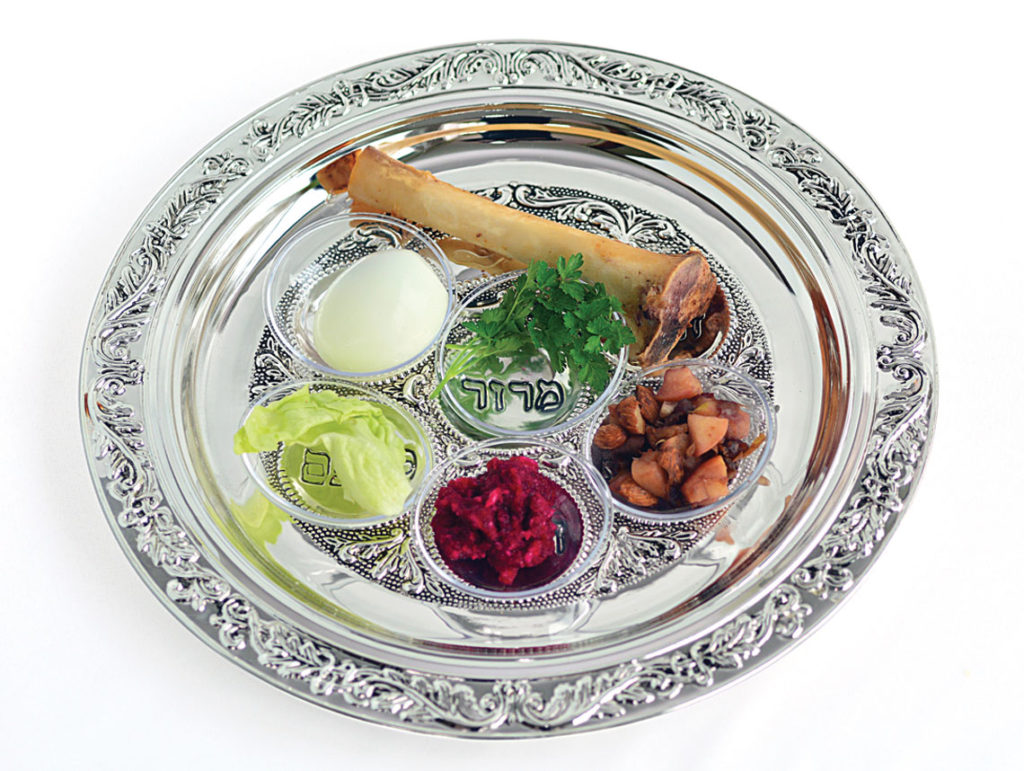
We eat matzo throughout the seder and the holiday. On our seder plate, we traditionally include a lamb shank as a symbol of offering for the Temple (zeroa); an egg to symbolize rebirth (beitzah); a bitter herb like horseradish as a symbol of our bitter enslavement (maror); parsley or another nonbitter vegetable dipped into salt water to represent our tears (karpas); a nut, apple and wine mixture to symbolize the bricks and mortar used by the enslaved peoples (charoset); and a second bitter herb like romaine lettuce (chazeret).

Sources: Chabad.org and MyJewishLearning.com

How to Jew: Passover Read More »