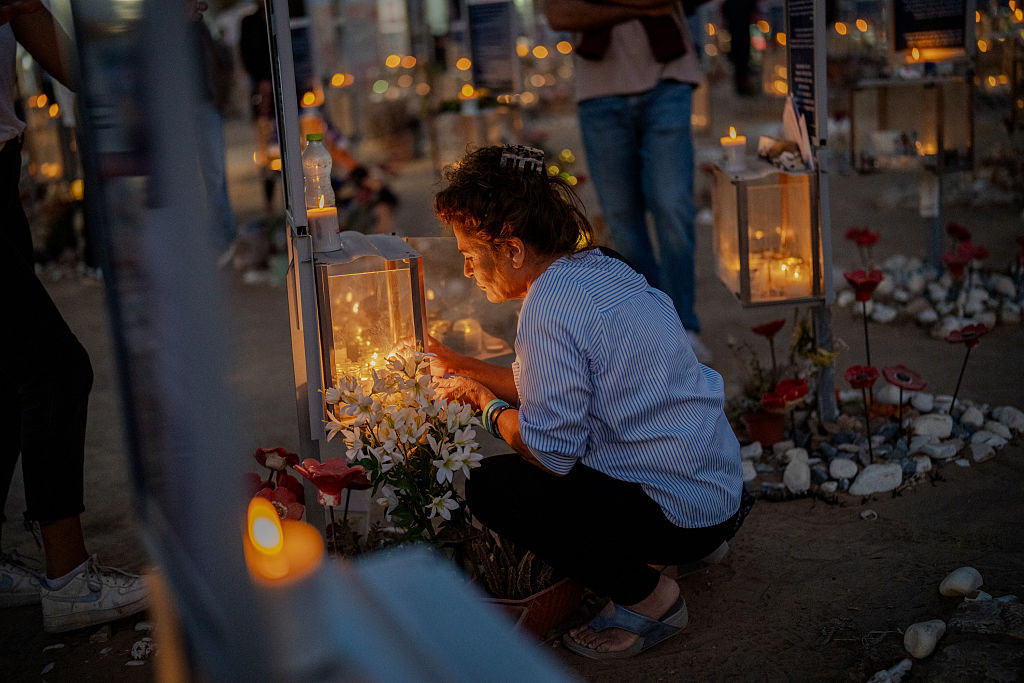
On Oct. 7, Reflections on Remembrance
Even as we mourn everything we’ve lost, let us also remember the moments of hope and healing — moments that restore our faith in humanity’s promise.

Even as we mourn everything we’ve lost, let us also remember the moments of hope and healing — moments that restore our faith in humanity’s promise.

Sukkot asks us to receive the harvest that has actually come in—not the one we imagined or wished for.
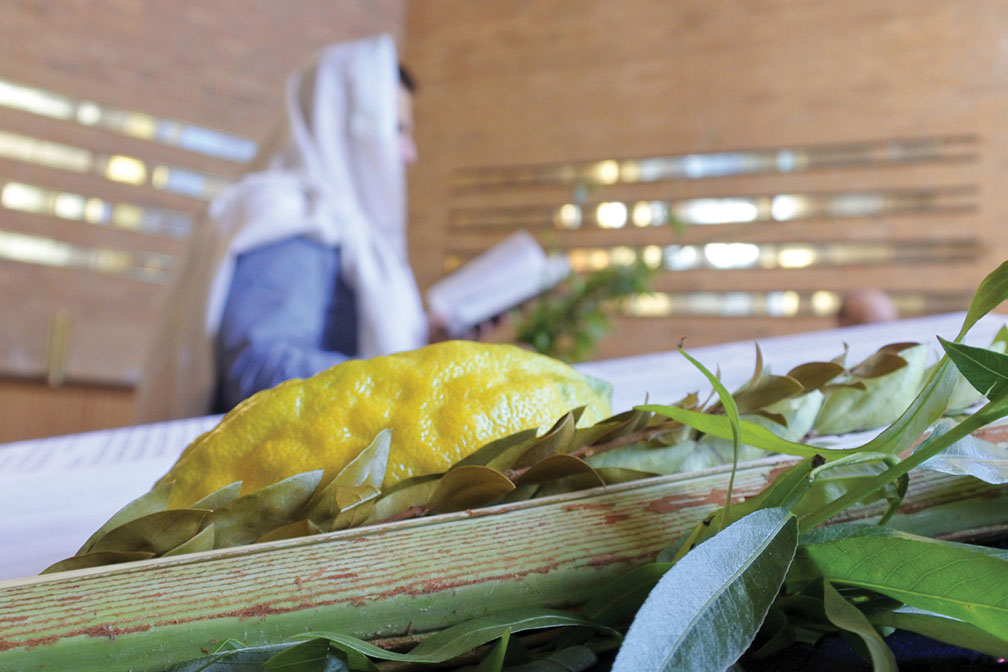
Family wants everyone around the table, because we care about each other.
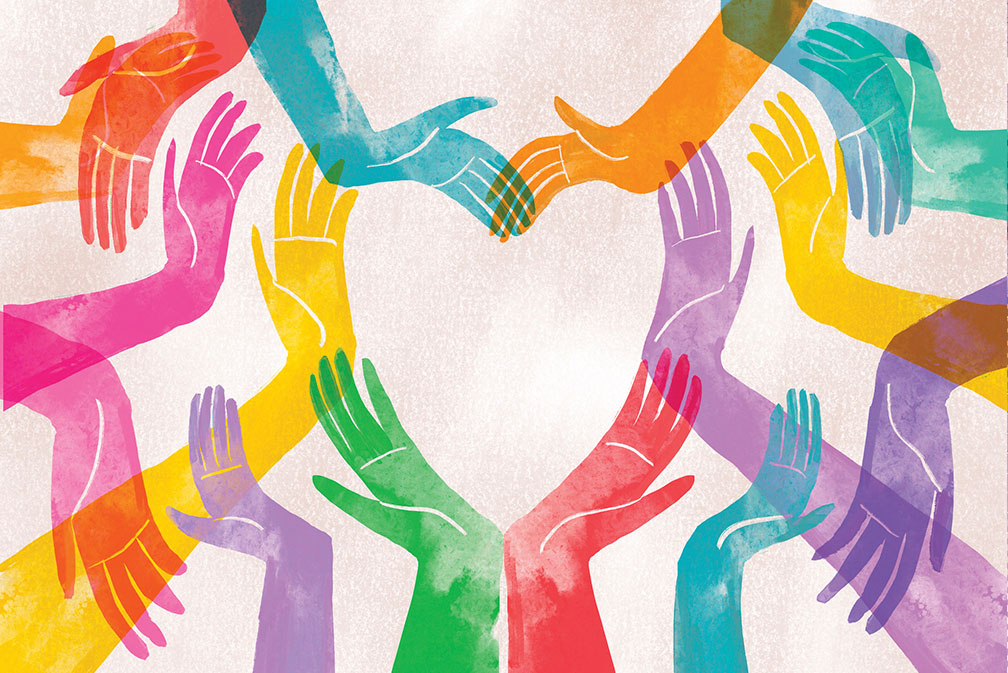
This year, I bless us that we open our eyes to truly see the beauty and the holiness of the world, and of the person before us at each and every moment, and to see the godliness of their aspirations and their fears.
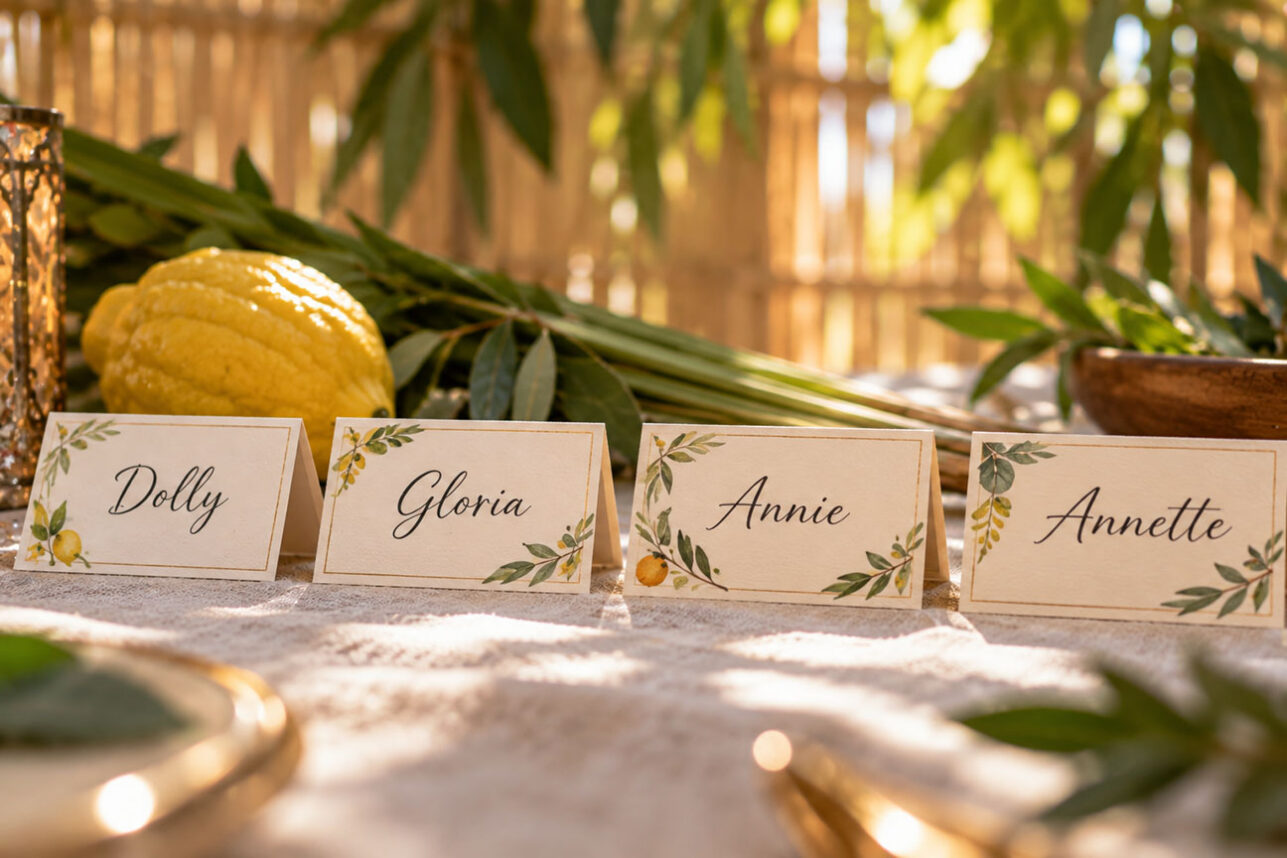
Ushpizin invite us to “welcome in our ancestral constellation and dwell amongst them.” This year, it’s Ushpizot, for the women. It’s the year of the Feminist Visitation.

There is deep wisdom for men in Sukkot and its ritual objects.
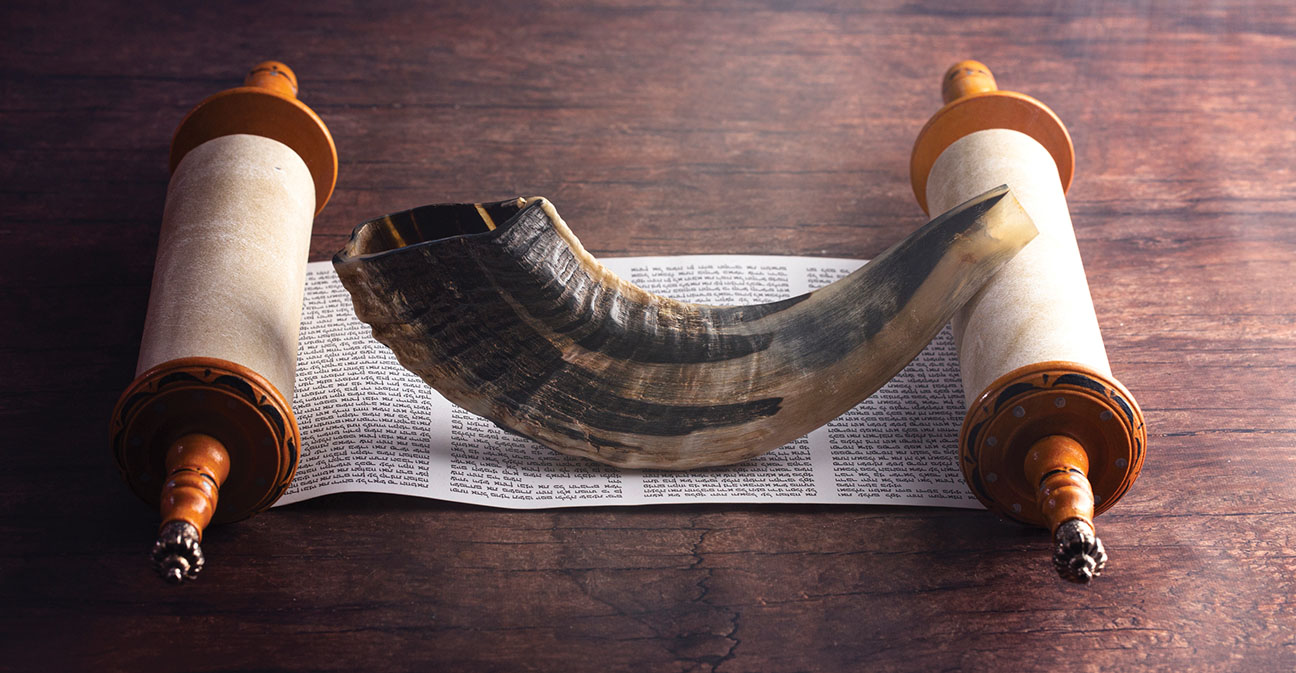
We are all trying, in our own imperfect ways, to find an entrance into a better self.
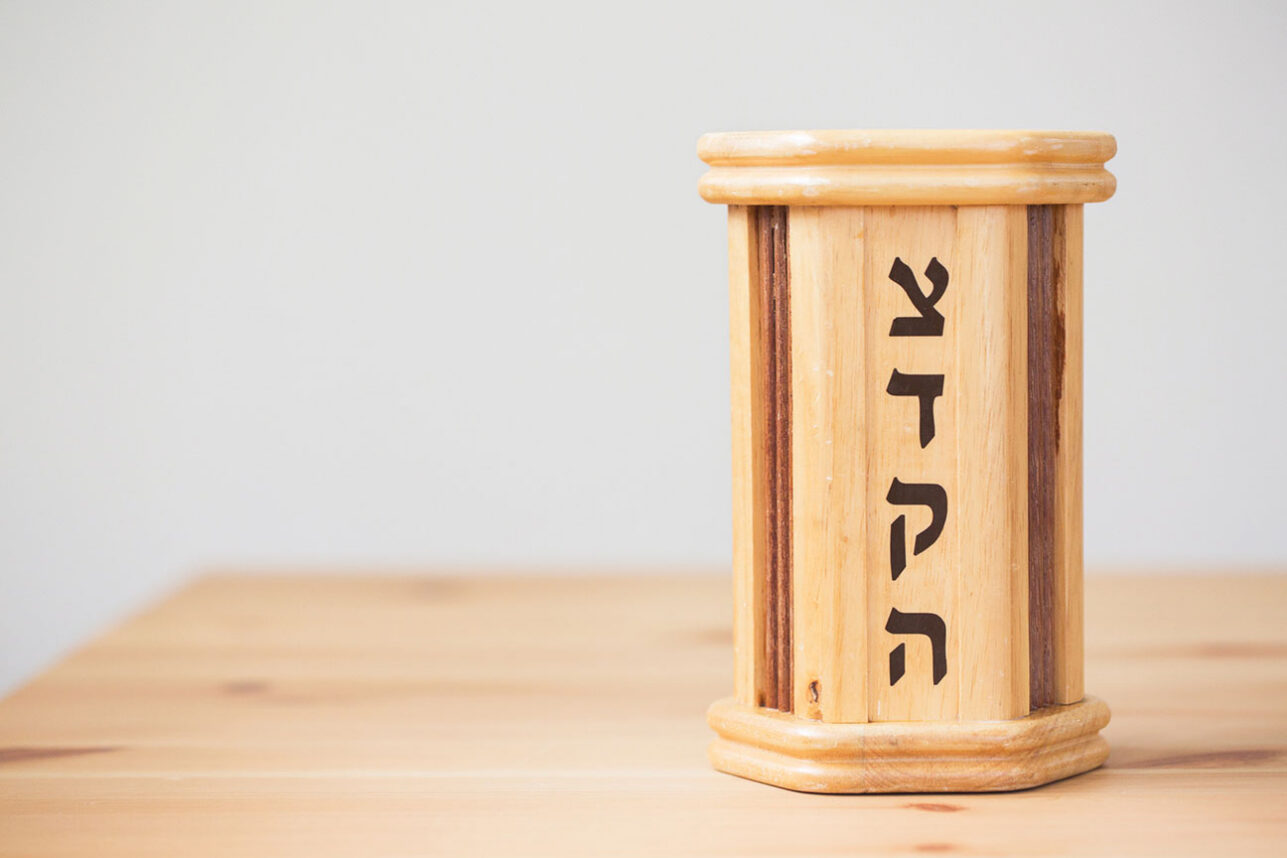
While we may never fully know the spiritual outcome of our High Holiday prayers or the impact of our repentance, the tangible power of tzedakah is undeniable. Every dollar contributed leaves an imprint.

Every new year confronts us with a seminal question: What in our lives is worth repeating, and what needs to change?
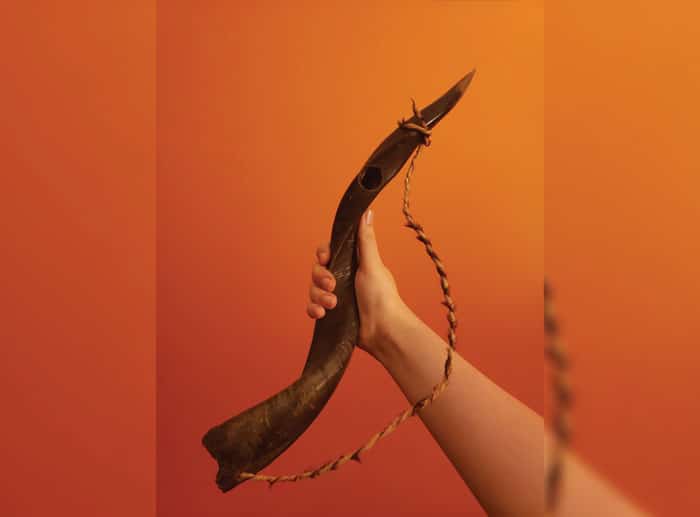
We need to conquer new ways for the New Year that will expand and deepen our strategies and skill, accessible pathways for renewed expression of our souls, impervious to the evil surrounding us.





