A few nights ago, I woke up in the middle of the night with one thought in my head. This year, my beloved Papi will not be with us for the Pesach seder. In that strange half-awake moment, I was not thinking about the whole seder. There was one very specific concern troubling my mind. Who will do the bibhilu?
For my family, bibhilu is not a small matter. It is the dramatic moment when the traditional seder plate is lifted from the table and passed over the heads of every member of the family. Simultaneously, we chant the opening lines of the Hagaddah, “Bibhilu yatzanu miMitzrayim, ha lachma anya, b’nei chorin.”
It is a moment that is quite funny and completely serious all at the same time. It is one of those customs that is etched in the memories of children forever.
My father did it every year, for as long as I can remember. But who takes over this family role when the person who always performed it is suddenly gone?
The next morning, I asked my oldest brother, Salomon, “Will you please be the one to do bibhilu for us this year?”
He agreed on one condition. “You have to promise to make that fava bean soup!”
That made me laugh out loud.
It also felt exactly right. In my family, even grief comes wrapped in negotiation, humor and, especially food.
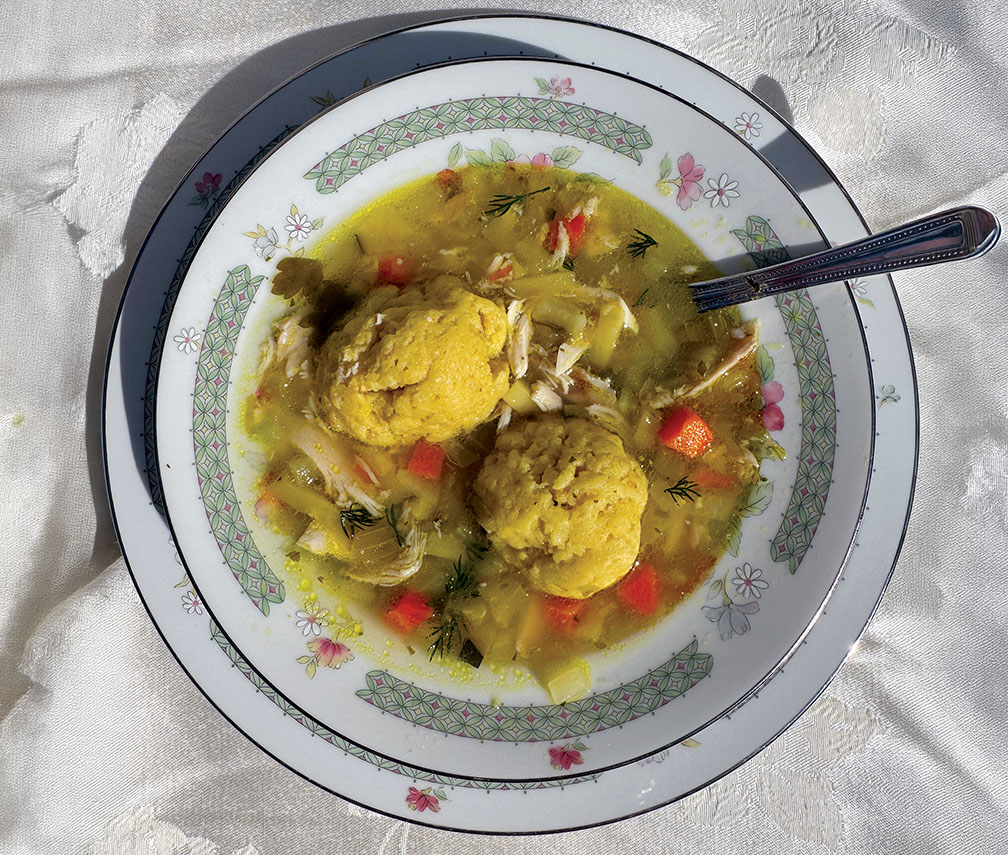
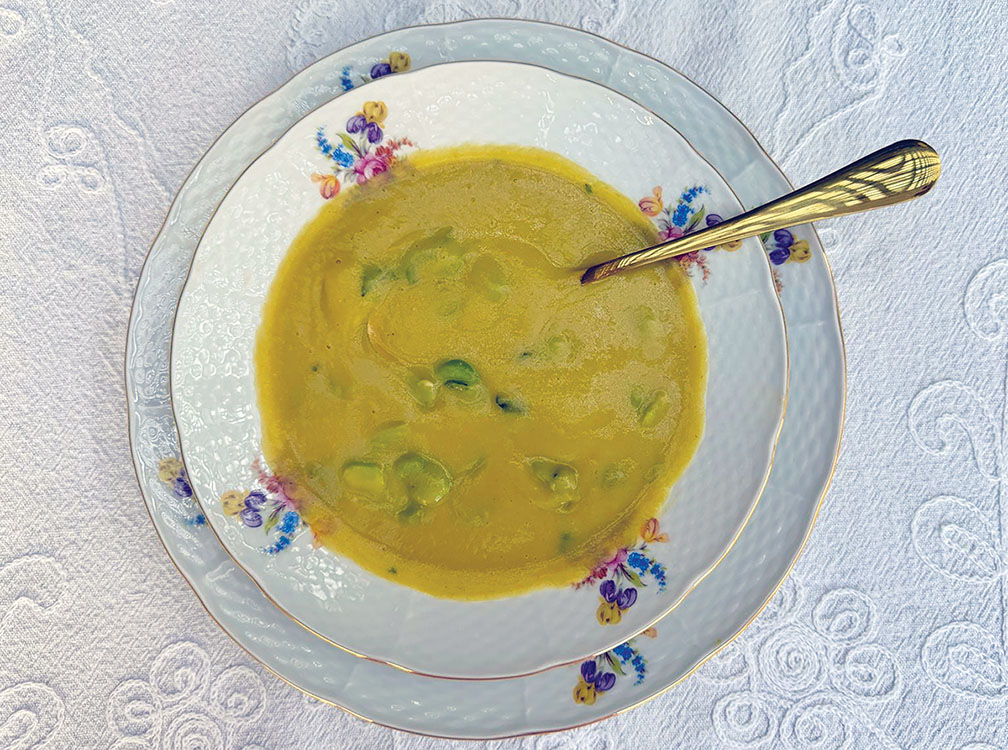
This Moroccan fava bean soup is worth the negotiation. This creamy blended soup is filled with lots and lots of vegetables. Leeks and onions, carrots and celery, turnip and potatoes, all punctuated by the earthy, buttery, nutty flavor of the fava beans. While many recipes include cumin, my family recipe is seasoned with salt and pepper, a modest amount of turmeric and an aromatic sprinkling of fresh cilantro.
Bibhilu is a Sephardic custom, especially beloved by Moroccan Jewish families. The word itself means “in haste,” recalling the rush of leaving Egypt. Like so many of our traditions, it manages to hold a lot at once. It reenacts the haste of leaving Egypt and it also turns the seder into something physical and alive. You are not just reading about the Exodus, for that moment, you are inside it. The plate moves from person to person. The words are sung out loud. The whole table wakes up.
This year, I know bibhilu will hit differently. My father will not be the one lifting the plate and his absence will be difficult for everyone. Perhaps that is also the purpose of tradition. Not to pretend that nothing has changed, but for us to carry on and keep the story alive.
So, this Pesach my sweet brother will do the bibhilu and I will make my Maman’s delicious fava bean soup. We will recite the same ancient words that we have always said. We will laugh, because that is what families do. We will tell the story of leaving Egypt, but we also tell the story of our own families through the foods we make, the customs we keep, and the roles we inherit. This year, at our seder, the bibhilu will belong to my brother. The soup will be mine. And the story of my father and mother will be with us too.
—Rachel
Rachel’s Moroccan Fava Bean Soup
Makes about 12 servings.
3 Tbsp extra virgin olive oil
2 large leeks, white and pale green parts only, cleaned and sliced
1 large onion, chopped
2 large carrots, peeled and diced
4 stalks celery, chopped
2 medium turnips, peeled and diced
2 large potatoes, peeled and diced
2 cups frozen double-peeled fava beans
2 quarts water or vegetable stock
Salt and white pepper, to taste
1 tsp turmeric
1/2 cup fresh cilantro, minced
Heat oil over medium heat in a heavy soup pot. Add the leeks, onion, carrots and celery and sauté until tender, about 5 minutes. Add the turnips, potatoes, 1 1/2 cups fava beans and water, then bring to a slow boil.
Cover the pot, reduce heat and simmer for 30 minutes until vegetables are fork tender.
Purée soup with a hand masher or an immersion blender.
Add the salt and pepper, turmeric, chopped cilantro and remaining fava beans.
Simmer over low heat for another 30 minutes, stirring often.
Garnish with more cilantro and a drizzle of olive oil.
Sharon Gomperts and Rachel Emquies Sheff have been friends since high school. The Sephardic Spice Girls project has grown from their collaboration on events for the Sephardic Educational Center in Jerusalem. Follow them
on Instagram @sephardicspicegirls and on Facebook at Sephardic Spice SEC Food. Website sephardicspicegirls.com/full-recipes.